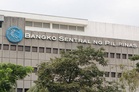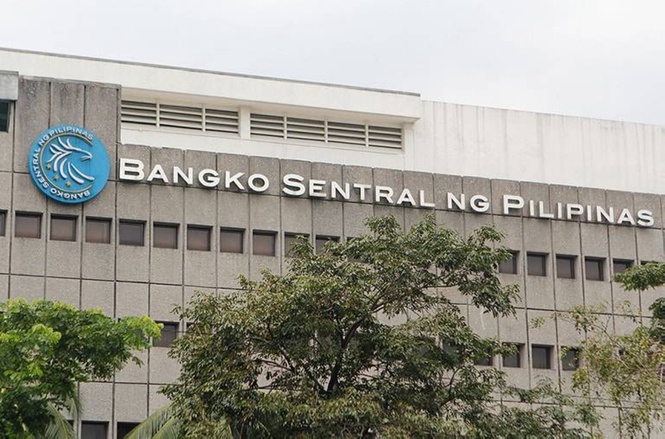
THE Bangko Sentral ng Pilipinas (BSP) may raise its policy rate again next month as the weakening peso and elevated global oil prices add to inflation risks, according to the research arm of UnionBank of the Philippines.
“The peso continues to face structural headwinds,” Union Bank said.
“[T]he BSP, after raising its target RRP [reserve requirement ratio] rate to 5.0 percent in August, may face pressure to tighten further if peso weakness accelerates amid another local inflation surge,” it added.
Union Bank expects the BSP to deliver another 25-basis-point (bp) rate hike at its October Monetary Board meeting. This would bring the central bank’s cumulative tightening to 100 bps this year and raise key policy rates to 5.25 percent.
“Such an outcome could strengthen the case for a year-end pause,” the bank said.
“The anticipated hike further reinforces the BSP’s anti-inflation credentials, underpinning a local curve flattener over time,” it added.
The Philippine currency has faced renewed pressure in recent weeks as global oil prices climbed above $100 per barrel and the US dollar remained supported by relatively high US interest rates.
Union Bank said the peso’s structural vulnerability is partly linked to the Philippines’ heavy dependence on imported oil.
“The country’s heavy reliance on oil imports means elevated Brent continues to widen the current account deficit and erode dollar reserves,” the bank said.
It forecast the peso to trade between P62.50 and P63.20 against the dollar for this week, with P63:$1 seen as a key resistance level.
The pressure on the peso is also occurring against a backdrop of relatively high global interest rates.
Union Bank said the US Federal Reserve’s latest policy guidance, together with elevated oil prices, could keep global financial conditions tight.
For the Philippines, this could limit the room for aggressive monetary easing and keep local bond yields elevated.
However, it said the central bank “need not mirror the Fed’s tightening path, as its tightening cycle commenced much earlier.”
“The rising likelihood of another 25 bps BSP rate hike at the October Monetary Board meeting reflects a pre-emptive response to the inflationary risks posed by oil prices,” it said.
The US Fed cut through its own policy path earlier in the year but raised its benchmark rate by 25 bps last Sept. 16 to a target range of 3.75 percent to 4 percent.
The US central bank signaled one additional hike later in 2026 and a prolonged pause through 2027.