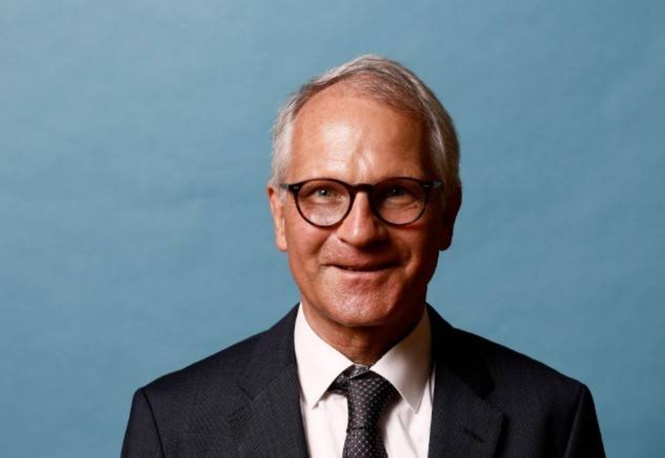
THE Philippines’ new critical minerals policy could attract German mining companies by providing greater regulatory certainty and supporting investments in mineral processing, German Ambassador Andreas Michael Pfaffernoschke said Monday.
“If the Philippine government sets up the right framework conditions for critical minerals, I’m pretty sure German companies would be more attracted to invest [here],” Pfaffernoschke told reporters at a climate security forum organized by the Stratbase Institute and the German Embassy in Makati.
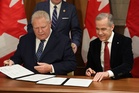
On Aug. 21, President Ferdinand Marcos Jr. signed Executive Order (EO) 122, which establishes a unified national policy framework for developing the country’s critical minerals industry and positioning the Philippines as a key player in the global market.
The order seeks to strengthen green technology supply chains, promote domestic value-added processing, and streamline mining permits. It also directs the government to promote the responsible development and utilization of critical minerals while supporting downstream industries.
While there are no concrete investment plans yet from German mining companies, Pfaffernoschke said “there are general intentions to look into the Philippines for critical minerals.” He stressed that regulatory certainty would be crucial because critical mineral extraction and processing require substantial, long-term investments.
“These are not short-term investments. Critical mineral extraction and processing take a lot of time, so what you need is certainty,” he pointed out.
Under the framework of EO 122, the Board of Investments will provide incentives under the Create Act for downstream refining, battery production and related industries. Domestic processing plants will also be given priority access to mineral ores at fair market prices.
EO 122 also provides environmental, social, and cultural safeguards, requiring mining operations to protect the well-being of host and neighboring communities.