PHILIPPINE hog raisers may need to increase pork production by at least 14 percent in the first quarter (Q1) of 2027 to meet demand if imports fall following the Department of Agriculture’s (DA) 60-day ban, the United States Department of Agriculture’s (USDA) Foreign Agricultural Service (FAS) in Manila said.
In its Nov. 16 report, FAS Manila said the pork import ban’s impact on supply would likely be felt most from late January to early March. Shipments already in transit or loaded by the last week of November could ease pressure on supplies when they arrive in late December and January.
The Philippines imported an average of 94,029 metric tons (MT) of pork products covered by the ban in the first quarters of 2025 and 2026. FAS Manila expects arrivals in the first quarter of 2027 to fall well below that level.
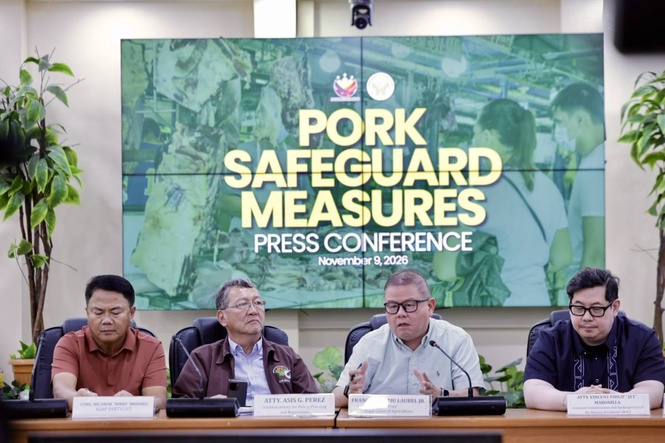
On Nov. 7, Agriculture Secretary Francisco Tiu Laurel Jr. signed Department Order 33 suspending imports of specified fresh and frozen pork cuts, carcasses and edible offal.
FAS Manila said the suspension would take effect on Nov. 26, unless the Bureau of Customs issues an implementing order sooner. Shipments with bills of lading dated on or before Nov. 25 are exempt under the current schedule. An earlier customs order could move the cutoff.
The DA found that lower-priced imports had hurt local hog raisers by depressing farmgate prices and gaining market share as the country became less self-sufficient in pork.
Bureau of Animal Industry data show imports rose 5.18 percent year on year to 602.65 million kilograms from January to August this year. Brazil accounted for half of shipments, followed by the European Union at 32 percent, the US at 7 percent and Canada at 6 percent.
Annual pork imports expanded from 548,577 MT in 2021 to 829,612 MT in 2025 as African swine fever (ASF) outbreaks curtailed local production.
Domestic output climbed about 5 percent year on year from January to September this year, but FAS Manila warned that ASF remained a threat.
Nearly eight times as many villages had active cases in October, as a year earlier.
Frozen pork stocks at accredited cold storage facilities had been falling by nearly 3 percent a week since mid-September. As of Oct. 26, inventories were 8 percent below year-earlier levels.
The Tariff Commission is conducting a formal safeguard investigation.
Separate DA proposals under review would reclassify pork jowls as swine meat and raise tariffs on shipments within and above the import quota to 25 percent and 35 percent, respectively in 2027, and to 30 percent and 40 percent in 2028.