PIAM’s clarification does not mean every incident involving an EV charger will automatically be covered.
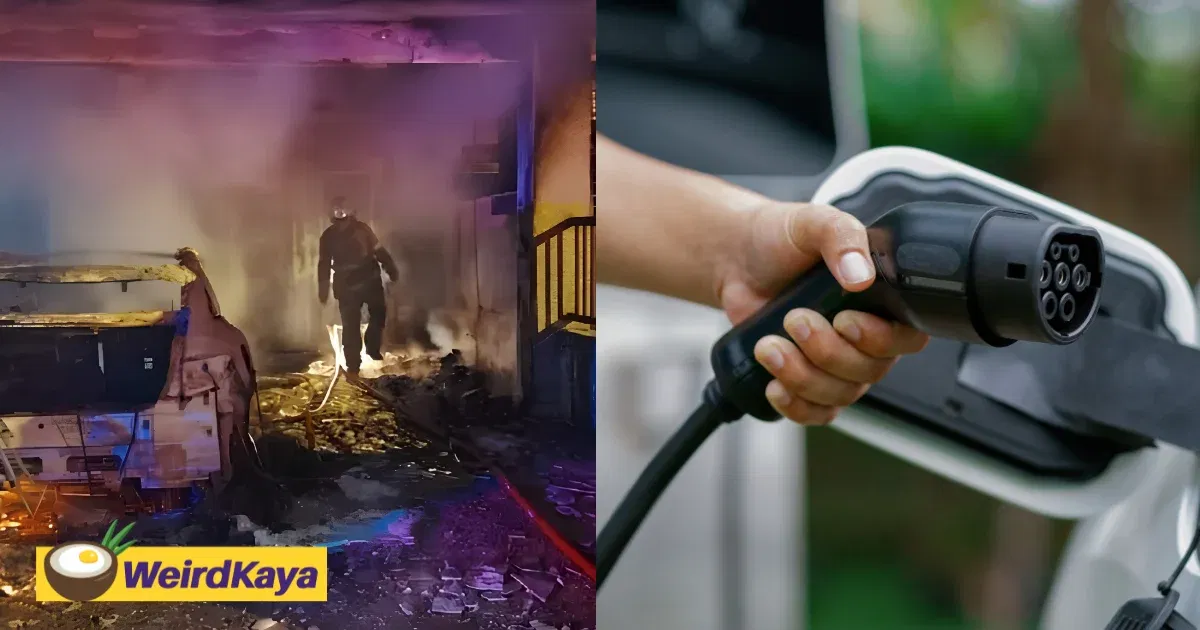
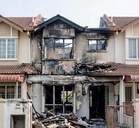
THE General Insurance Association of Malaysia (PIAM) has clarified how insurance coverage applies to electric vehicle owners and homeowners following a recent fire in Cheras involving an EV home charger that reportedly caused extensive property damage.
PIAM stressed that standard Houseowner and Fire insurance policies in Malaysia generally cover fire damage regardless of where the fire started, subject to the policy’s terms, conditions and exclusions.
Coverage may, however, be affected in cases involving fraud, deliberate acts or breaches of policy conditions, including illegal or uncertified electrical modifications.
According to PIAM, permanently installed or hard-wired EV chargers may be categorised as fixtures and fittings under the “buildings” section of a home insurance policy.
Portable or unattached charging cables, meanwhile, are typically covered through specialised EV motor insurance or optional EV-specific add-on packages offered by insurers.
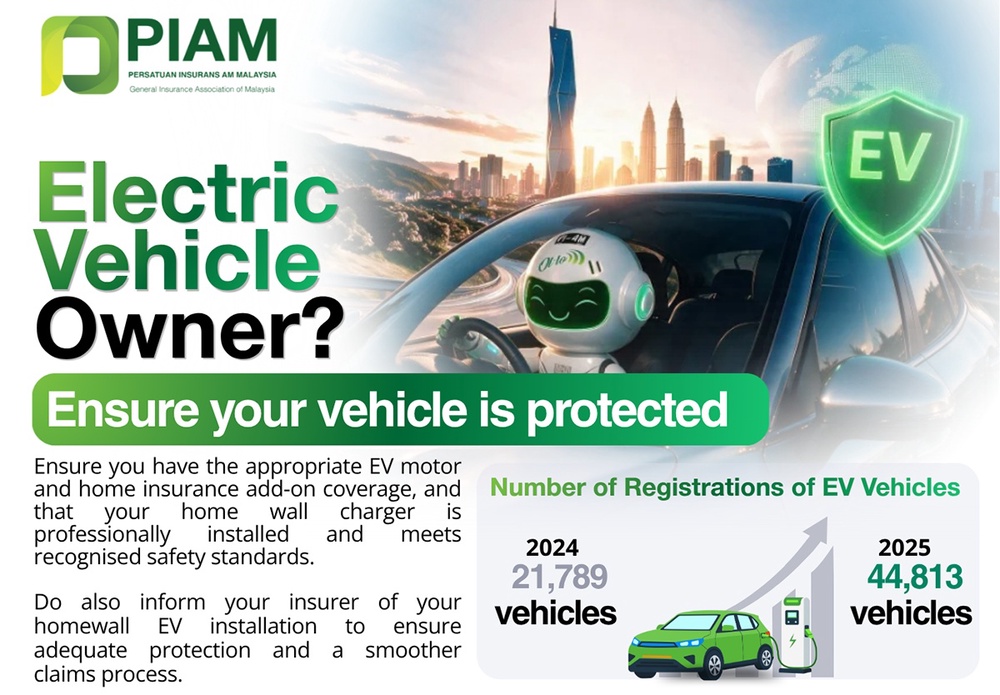
PIAM also emphasised the importance of having home chargers installed professionally and in accordance with recognised electrical safety standards.
When assessing a claim, insurers may refer to official investigation reports, including those from the Fire and Rescue Department of Malaysia, to determine whether factors such as arson, fraud or non-compliant electrical work contributed to the incident.
Homeowners are also strongly advised to inform their insurer after installing a permanent EV charger.
According to PIAM, declaring electrical upgrades helps ensure the property’s Sum Insured reflects current rebuilding costs and provides greater clarity over what is covered if a claim is made.
This is particularly important if modifications or new electrical equipment increase the replacement or rebuilding value of the property.
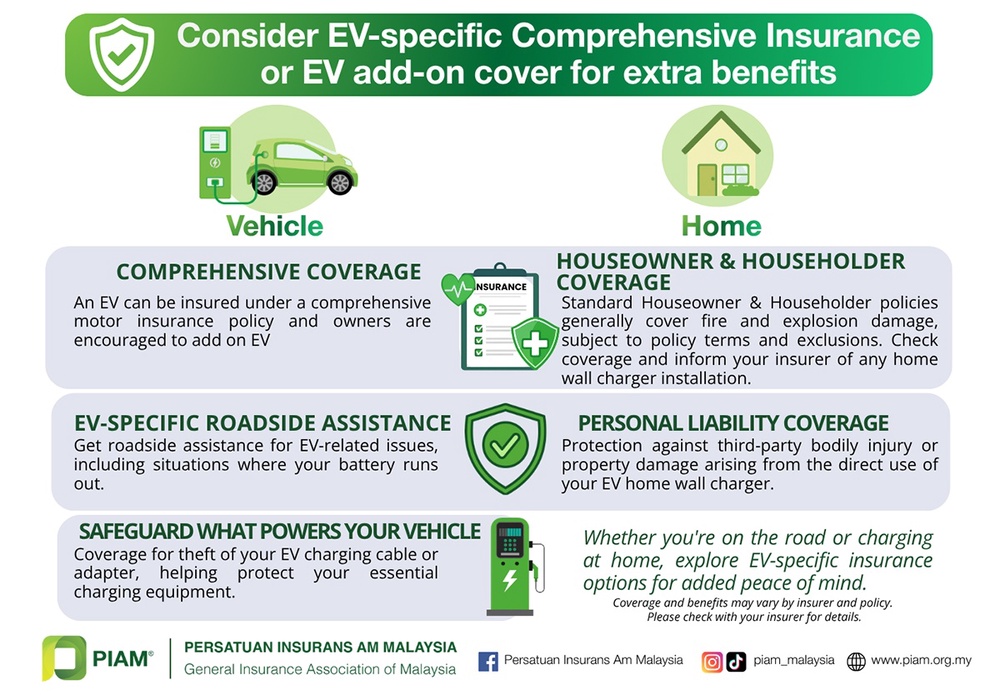
PIAM also recommends that homeowners review their third-party liability coverage. Standard Houseowner policies generally provide public liability coverage of RM 50,000, but additional coverage can be purchased if a higher limit is required.
This could be particularly relevant for terrace houses and high-rise properties, where a fire or electrical incident could potentially spread to neighbouring homes or common areas.
EV owners are also encouraged to review both their motor and home insurance policies together to identify any gaps in protection for the vehicle, home charging equipment and residential property.
For the vehicle itself, PIAM recommends considering comprehensive EV insurance or EV-specific add-ons that may provide additional benefits such as roadside assistance for EV-related issues and protection for charging cables or adapters.
The association also advises property owners to periodically review their Sum Insured to avoid underinsurance, particularly after home renovations or the installation of equipment such as an EV wall charger.
PIAM’s clarification does not mean every incident involving an EV charger will automatically be covered.
Claims will still be assessed according to the individual insurance policy, circumstances of the incident and findings from the relevant authorities.
EV owners should therefore check the specific terms of their motor and home insurance policies, notify their insurer of permanent charger installations and ensure electrical work is carried out by qualified professionals.