
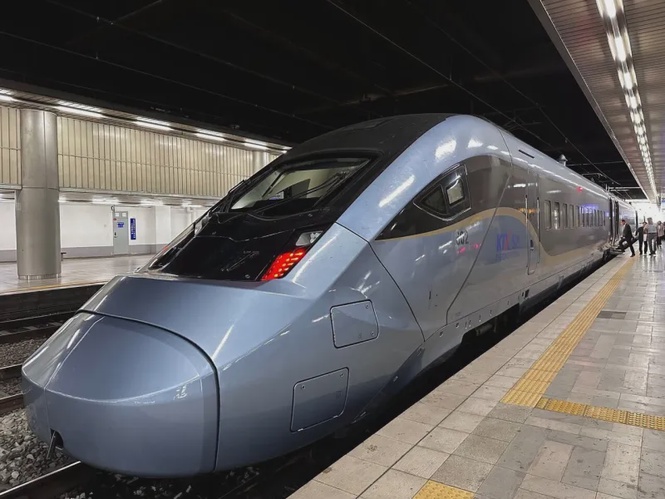
South Korea's high speed rail network is going through its biggest shake up in nearly a decade. Korail and SR, the two operators that ran the KTX and SRT bullet train lines separately, merged their operations on September 1, folding both networks into a single system with lower fares, more seats and one combined booking app. For travelers planning an independent trip to Seoul, Busan or Daegu, the change simplifies ticket buying but also introduces a wrinkle worth knowing about before heading to the station.
Two Rival Networks Become One
Until now, KTX and SRT ran as separate systems even though they used much of the same track, which sometimes meant KTX seats sold out during busy periods while SRT trains on a similar route still had space. The September 1 merger between Korail and SR is meant to fix that mismatch by managing capacity across both networks as a single pool, rather than leaving travelers to gamble on which operator happened to have room.
Fares Drop About Ten Percent On Popular Routes
The most noticeable change for travelers is price. Fares are being adjusted toward SRT's typically cheaper pricing, for an average reduction of about 10 percent. According to figures shared by the Facebook travel page Steven & Sia, a one way KTX ticket from Seoul to Busan that cost 59,800 won, or roughly NT$1,380, fell to 54,400 won, about NT$1,256, once the new fares took effect on September 1, a saving of around 5,400 won, or NT$124. For two travelers making a Seoul to Busan round trip, that adds up to a combined saving of about 21,600 won, or NT$498, a meaningful discount for anyone budgeting a South Korea itinerary.
Thousands Of Extra Seats And More Departures
Beyond fares, the merger is adding capacity across the board. The combined network now offers roughly 15,000 more seats per day on weekdays and as many as 17,000 more on weekends, with seat capacity on routes departing from Suseo Station rising by about 30 percent. Departures are increasing too, from an average of 379 to 402 trains on weekdays and from 431 to 457 on weekends, which South Korean rail officials hope will ease the scramble for tickets during busy holiday periods.
One App Now Covers Every Departure Station
Booking is also being consolidated. The new Korail+ app lets travelers search and reserve high speed trains departing from Seoul Station, Yongsan Station and Suseo Station all in one place, rather than checking the Korail Talk app and a separate SRT app as before. Tickets for former SRT services are now sold as part of the KTX system as well. To smooth the transition, the older Korail Talk and SRT apps will keep some of their booking functions running for a while so travelers can adjust at their own pace.
Independent Travelers Should Confirm Their Departure Station
Cheaper fares and extra seats are welcome news, but the same travel bloggers who flagged the fare cuts are urging visitors to double check exactly where their train leaves from. Because former SRT routes out of Suseo Station are now folded into the KTX system, a search for a KTX ticket to the same destination can return departures from Seoul Station, Yongsan Station or Suseo Station. Suseo Station sits well outside central Seoul, so a traveler who assumes "KTX" automatically means Seoul Station risks arriving at the wrong terminal, and possibly missing the train, just as the new system is meant to make things easier.
In Full
Planning a Trip to Korea? Don’t Get Stranded at the Wrong Station After KTX Merger
Original Article in Chinese