
Table of Contents
Telling honest stories
The hardest thing a storyteller can do is narrate the truth… as it is. Often, stories help us escape reality and peer into a world veiled in layered metaphors, allowing us to hide behind words and escape taking accountability.
As Martin Scorsese, the filmmaker behind The Irishman and Goodfellas, once noted:
“A story should be a reflection of life, and life is rarely a tidy moral lesson. When we force a ‘correct’ ending, we betray the reality of the human experience.”
Martin Scorsese
This raises a vital question. Have storytellers traded nuance for dogma? In an attempt to deliver “ideal” endings, have we robbed stories of their souls?
In a radical creative movement, thespians and chroniclers alike have taken a stance against smug storytelling, holding up mirrors to ask real and hard questions. This same rejection of dogmatism is finding a voice in the Malaysian theatre scene.
That voice is JDev Studios, which put up Tewas, a local play directed by Hilyati Ramli and co-written with Sidhart Joe Dev, staged as four evening shows in November 2025.
Although the play itself has closed its curtains, the conversation remains valid, and theSun sat with Sidhart for a chat about the theatre scene in Malaysia and telling authentic local stories.
Born for the stage
Born and raised in Penang, Sidhart started in the creative industry by hosting talk shows and producing podcasts. However, his passion for storytelling started as a young boy in secondary school.
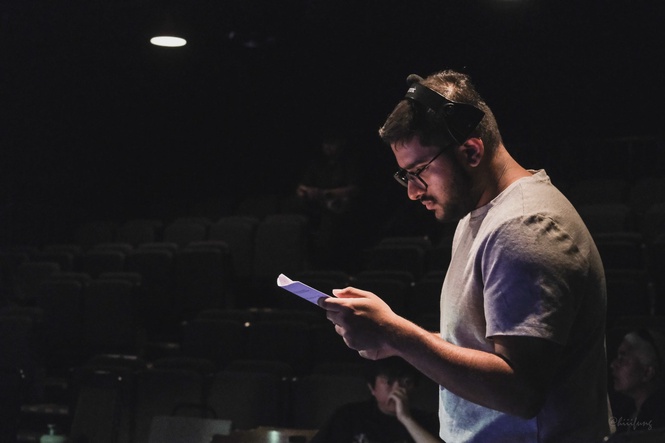
“I started doing plays when I was about 17 years old. There’s something about storytelling, playing multiple characters and being able to tell stories that intrigued me,” he shared.
After pursuing film and broadcasting at Universiti Sains Malaysia (USM), he cultivated a longing for telling domestic stories. Dabbling in theatre in Penang from 2014 to 2019, Sidhart then moved to Kuala Lumpur and started working in the metropolitan city.
“Then, I collaborated with a couple of productions in Kuala Lumpur, such as the Actor Studio (Academy), KLPac, Theatresauce and Instant Cafe (Theatre Company) to do theatre work. So, it’s been about 14 years now.”
However, it was not writing that kick-started his theatre aspirations, it was actually acting.
“These roles didn’t come to me overnight, all at once. I started as an actor and I enjoyed the process of telling someone else’s story from a third person’s perspective.

“I enjoyed that for the first few years. Then, I started directing. I was able to tell someone else’s story from an outsider perspective as a director. I enjoyed that process.”
Sidhart said his journey taught him there was a lack of domestic stories and in it, he discovered his very own stage. This “plot hole” motivated him to assume the role of a producer. He started investing financially into projects that highlight local tales, and began recruiting creatives “to put these stories together”.
The playwright’s passion for storytelling is veritable, so when asked what fuels his passion for theatre, he simply said: “A little bit of everything”.
“I can’t specifically say which one drives me more, but I feel like all of it. But right now, I enjoy being a playwright more.”
Story is king?
Story is king, an ideology popularised by Pixar’s co-founder Ed Catmull in his book Creativity, Inc. But for Sidhart, the characters are the focal point of a tale.
“I always believe the character wins at the end of the day,” he said, adding it is the characters that make the story.
He starts writing by focusing on the characters – who they are and what their motivations are.
“I like ensemble characters, I don’t like a play with just two characters. I like writing multiple characters because I believe these characters will then add layers to the story, making it complete.”
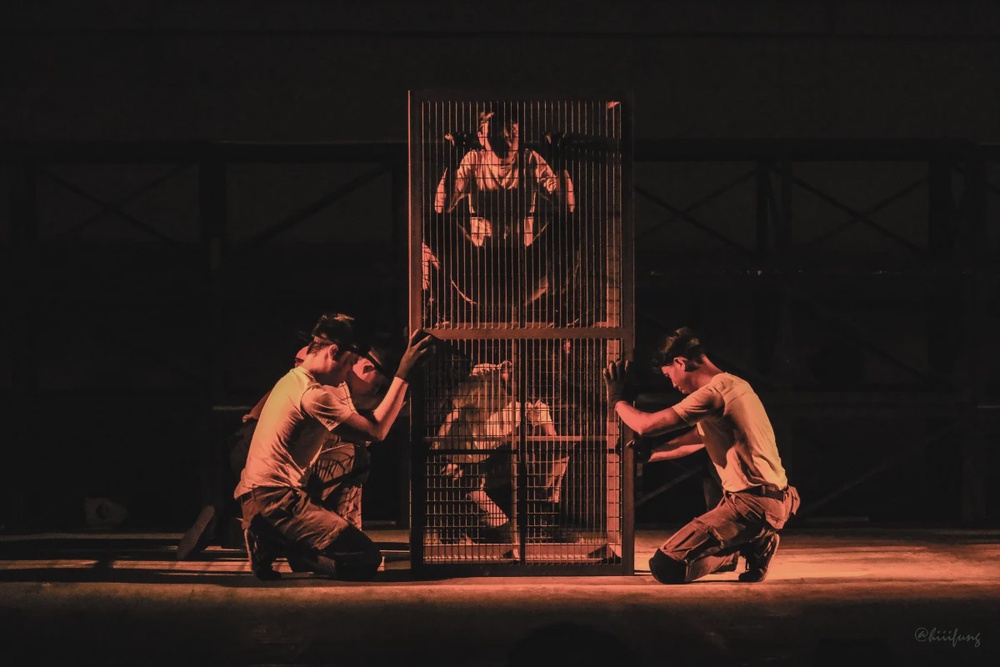
Walking the talk, JDev Studios decided to look between the cracks for its most authentic script – Tewas.
A common but severely neglected topic, Tewas suited the social and political climate at a time when bullying became a conversation anchor. However, this story was in the works for over three years.
Sidhart does not tell local stories just when it is “trendy”, but also when it is necessary – and for a topic such as bullying, it always has been.
“Tewas is something we started working on three years ago, when it wasn’t a national headline and it wasn’t being discussed in newspapers, TV or the internet. We started working on it because we realised bullying has always been an issue for many, many years.
“It’s just that when someone unfortunately dies, only then it becomes a national headline. Then, everyone talks about it.
“So, it’s very seasonal for Malaysians and netizens.”
For them, Tewas was born from the genuine place of wanting to tell difficult domestic stories, drawing inspiration from personal stories and bullying cases that happened in the last couple of years.
Even its title came from a profound feeling you get when all odds are against you, getting cornered when bullied is when “you tewas”, he described.
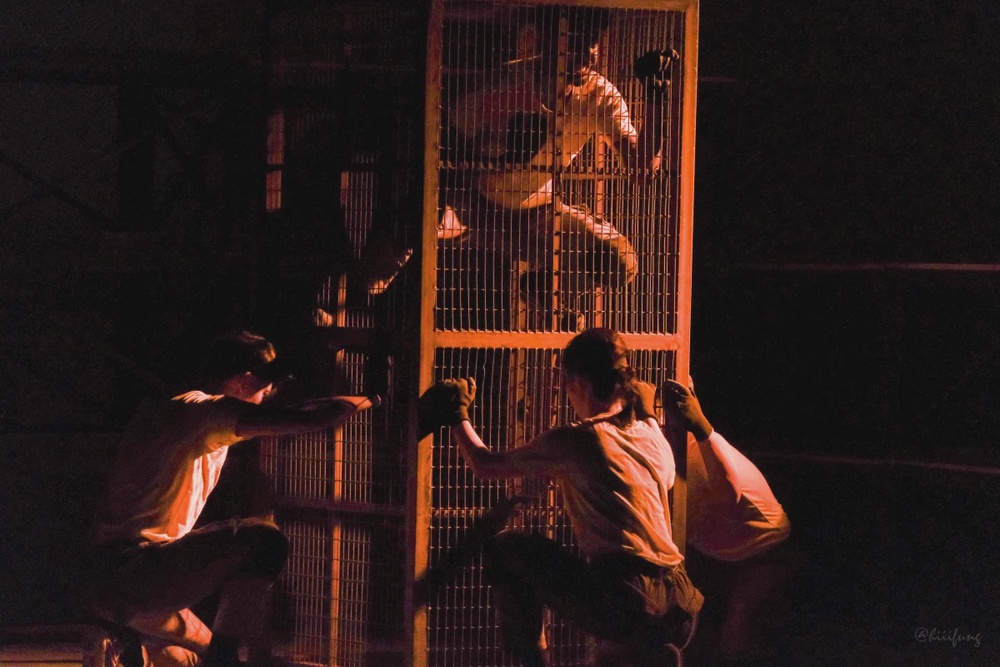
“So, when you watch Tewas, you realise these are cases you might not know exactly, but you have heard of them,” he said, clarifying the play itself is not a real-life adaptation, but it was inspired by it.
Playing emotionally taxing characters can take a toll on your mental health. Sidhart shared their intention when putting up the show was not to draw from self-pity.
“We thought if we wanted to tell this story properly, we should do it for the truth that we are trying to tell,” he said, while revealing there were months’ worth of preparation prior to staging the play, because the intent was to tell the story as honestly as possible.
Adding that, since the character has been played over and over again, the cast was desensitised by the time of performing.
Uphill battle
Putting up a play with a topic as heavy as Tewas does not come without its tribulations – artistically and financially.
“Artistically, I think to tell the story responsibly, you know, because we realised the story is bigger than all of us, the production team, the cast and crew.
“So the challenges were how are we going to tell the story in a way that is artistic enough with light and music. At the same time, you don’t overwhelm or overdo.”
Finding the equilibrium between showmanship and raw storytelling was the primary creative hurdle, said Sidhart.
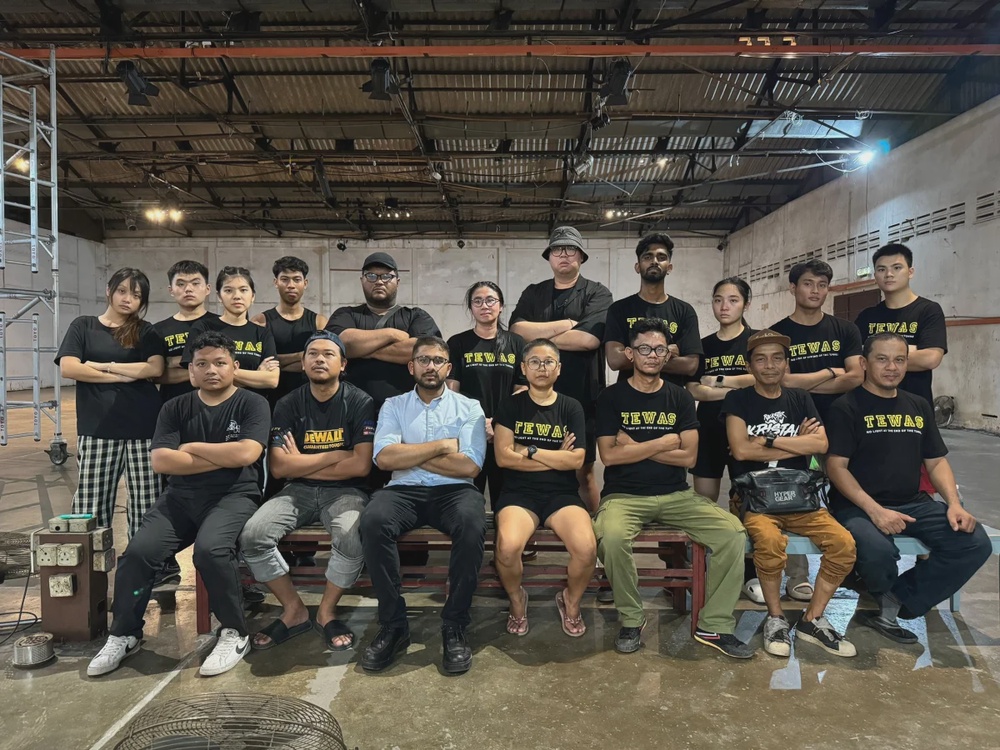
While navigating these artistic rigours, the team also faces stark constraints of the struggling industry.
“We had to bring an entire team from Penang to Klang Valley to fund this production.”
The School of the Arts (USM) has stepped in to ease the logistical bottlenecks, providing manpower, technical equipment and a stage.
While this support gave the production enough oxygen to sustain its week-long run, the broader financial gap in the industry remains an adversity.
It highlights a recurring theme in the Malaysian theatre scene: the constant struggle to justify stories that do not end with a “happy ending”. Are stories with “happy endings” the only ones worth telling?, asked Sidhart.
While the Malaysian theatre scene is doing good work, said Sidhart, the motivation to pursue the art is still low.
“You end up losing so much.”
Unfiltered mirror
Despite the hampering enthusiasm for the industry by the masses, JDev Studios managed to put on a successful show, such as Tewas, which is definitely not its last. As for Sidhart, he is still on his quest to narrate the truth.
“People want to hear the truth behind closed doors,” he said.
According to him, making an impact is as simple as lighting a matchstick in the dark – it does not have to be grand. So, he vows to keep telling little stories that others would deem insignificant, as Tewas has pushed that aspiration a little further.
“I think as artistes, we all have to be socially responsible in the kind of stories that we are telling,” he shared, expressing hopes that Tewas, and the stories like it, keep the conversation going.

He further explained bullying is widespread due to the failure to listen, thus prompting the company to create Tewas to “make people listen”.
“I hope people have the patience to listen to someone’s narrative and understand it… then help before it is too late.”
For Sidhart, the stage is more than a platform for entertainment. It is a mirror that reflects the uncomfortable corners of society often ignored. By turning the spotlight on the mechanics of bullying, Tewas rewrites personal narrative into social advocacy.
However, for such stories to ignite lasting change, it requires a sustainable ecosystem.
Building an audience
The director said meaningful support starts with the institutional level.
“I think at least half of the attention that’s given to films and music (was given to theatre), I think the artistes in theatre know how to make this industry survive with whatever little that we have.
To tackle this issue, Sidhart calls for a reformation to make arts and theatre part of the education syllabus.
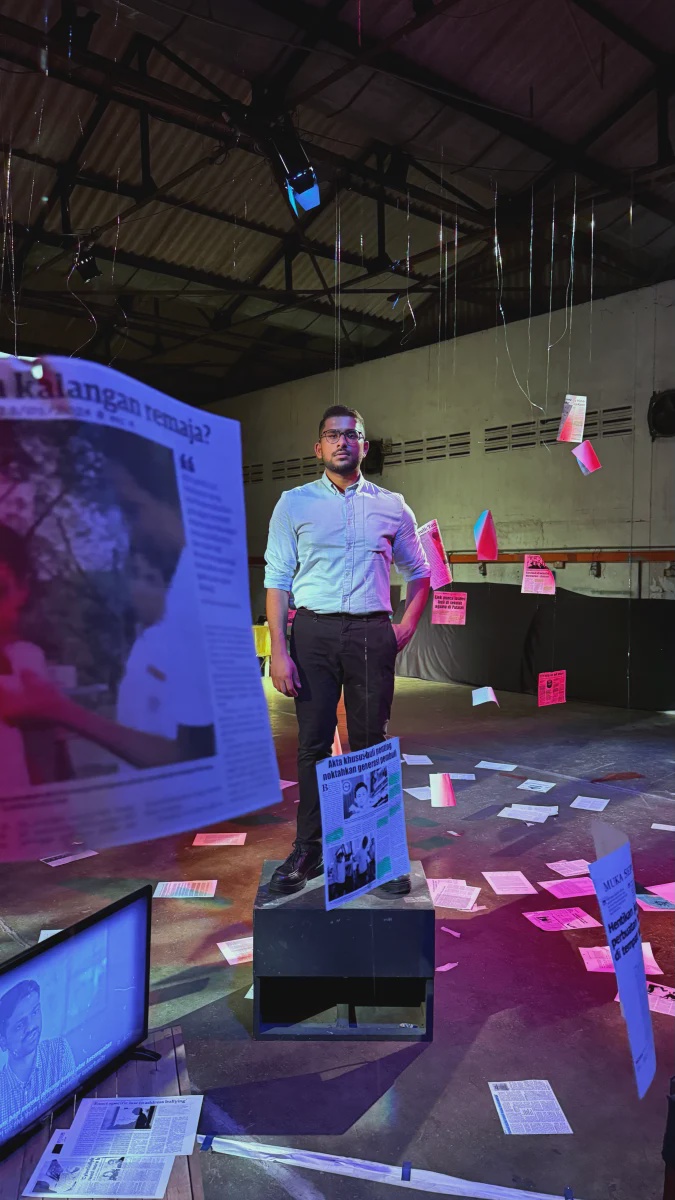
“Each student gets only two hours of arts education in 365 days. As much as we believe in building the theatre industry, we also have to build the audience.”
He urged for arts education for our kids, as Sidhart believes that it can contribute to building a stronger artistic industry.
As for the future of JDev Studios, he is already looking towards multiple projects and cross-border collaborations.
The goal remains simple, he shared:
“We want to tell stories about ourselves, about who we are. We want to tell stories in multiple languages.
Sidhart Joe Dev
Domestic and truly local, JDev studios and Sidhart continue to tell the stories found in “someone’s kitchen”.
READ MORE: