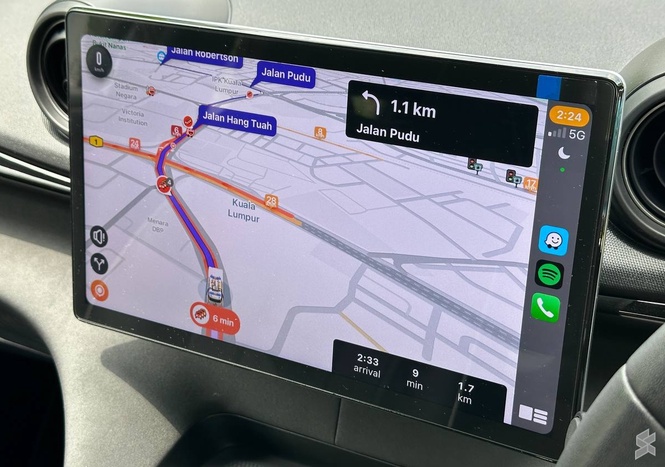
The ongoing saga surrounding the Malaysian government’s stance on Waze has taken another significant turn. Following the recent ban prohibiting civil servants from using the navigation app while on official duty, Prime Minister Datuk Seri Anwar Ibrahim has indicated that a nationwide, total ban on Waze remains a distinct possibility.
However, any potential nationwide ban hinges entirely on whether local alternatives can step up to the plate.
A Total Ban Depends on Local Capabilities
Addressing the growing public discourse surrounding the app, PM Anwar revealed that the government is actively evaluating local alternatives. He emphasised that if locally developed apps can reach an acceptable standard, a complete ban on Waze could be enforced.
“We are studying what the alternatives are. If tomorrow we see that our own capabilities are good enough, then we might—there is a possibility that we will ban it entirely.”
Anwar acknowledged the widespread backlash and public frustration over the initiative, pointing directly to the subpar quality of local options currently available.
“I do not understand why this matter has become a controversy. The controversy is because the alternative is slow [sluggish]. I agree with that. But our decision is not a controversy! This is a matter of national security.”
Why Target Waze Specifically?

The government’s primary concern revolves around data sovereignty and national security. While Malaysia relies on numerous foreign tech providers, Waze’s specific legal and corporate background poses unique jurisdictional risks, according to the government.
Despite being acquired by Google in 2013, Waze Mobile Ltd remains incorporated in Israel. PM Anwar reiterated that unlike other multinational tech firms operating out of the US or Europe, Waze remains subject to Israeli legislation—a regime Malaysia does not diplomatically recognise.
“Just imagine! There is no other company—sure, we have all sorts of companies with ties to Israel: American companies, French companies, wherever. But there is none! As far as we have detected, not only is this company based in Israel, but it falls under Israeli law.”
This aligns with earlier statements from the National Security Council (MKN) and the National Cyber Security Agency (NACSA), which clarified that Google Maps is not affected by the ban. Google Maps is governed under US jurisdiction, whereas Waze’s underlying terms and servers subject user movement data to Israeli privacy laws.
The Elephant in the Room: “Lembapnya Alternatif”
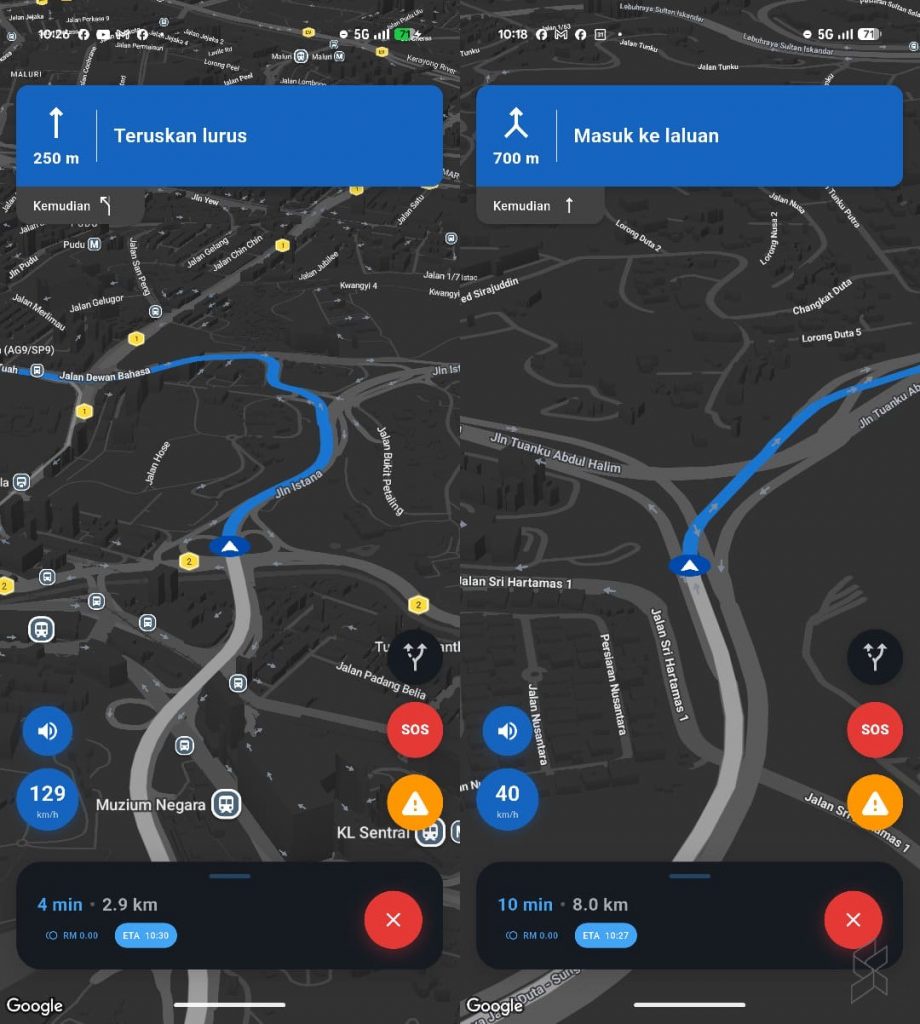
The Prime Minister’s candid admission regarding the “sluggishness” of local alternatives addresses the immediate stumbling block facing the government’s digital sovereignty push.
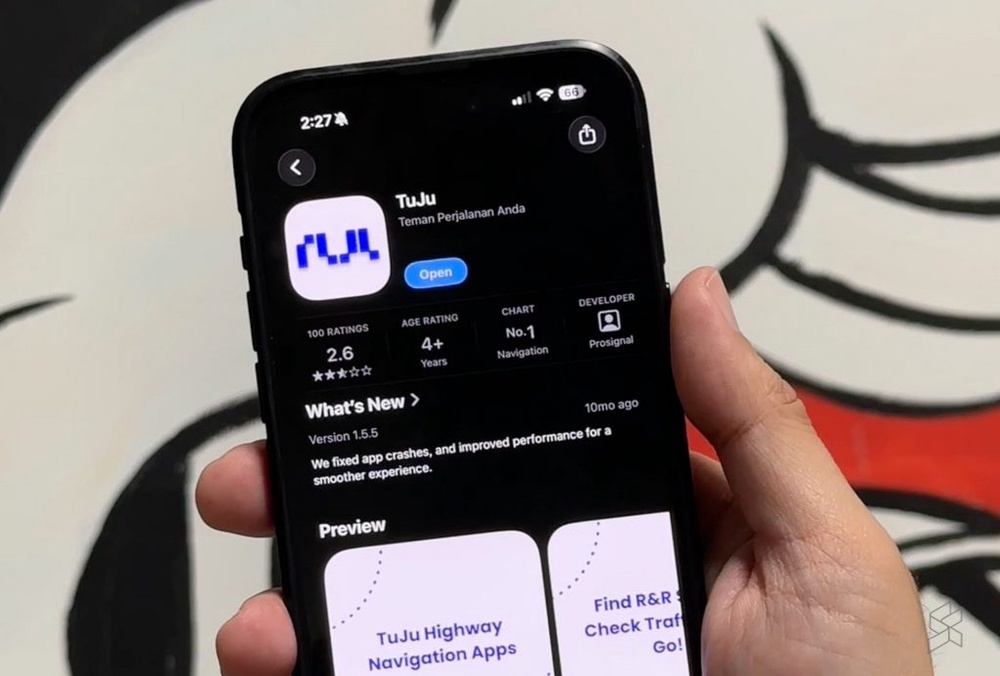
Earlier this week, the government encouraged the public to ditch Waze in favour of TuJu, a local navigation app developed by Prosignal Consortium Sdn Bhd (PCSB) for the Malaysian Highway Authority (LLM).
However, public adoption hit a wall almost immediately. Based on SoyaCincau.com’s own hands-on experience, there were severe navigation glitches, including inaccurate turn-by-turn guidance, audio routing bugs over infotainment displays, missing speed limit alerts, and on-screen code rendering errors.
Just a day after being promoted as a Waze alternative, TuJu’s developers disabled its primary navigation features to conduct emergency system maintenance, leaving only static highway CCTV feeds operational.
[ SOURCE ]