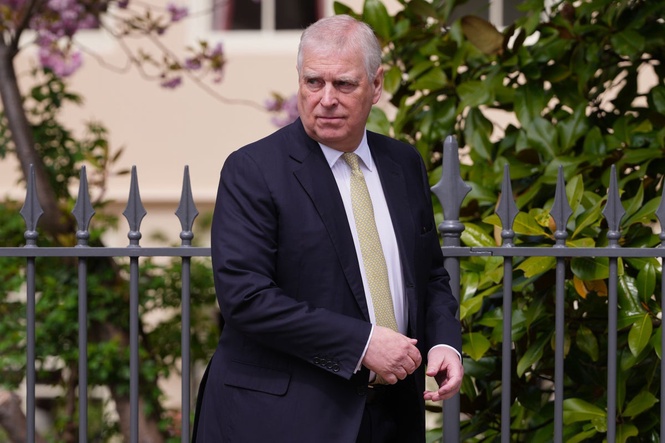
Officers worried that Andrew Mountbatten-Windsor might obstruct property searches by insisting police needed to seek authorisation from the King, newly released court files show.
Thames Valley Police has conceded that the search warrants executed during February raids on Royal Lodge, his former Windsor residence, and his home on the Sandringham Estate were unlawful.
Following a legal challenge by Andrew, High Court documents have disclosed that the force was anxious crucial material might be lost if officers were forced to request clearance from Buckingham Palace prior to executing the searches.
According to the filings, investigators were looking to seize "paperwork, diaries, business records or other documentary evidence of AMW’s time as Special Representative for Trade and Investment".
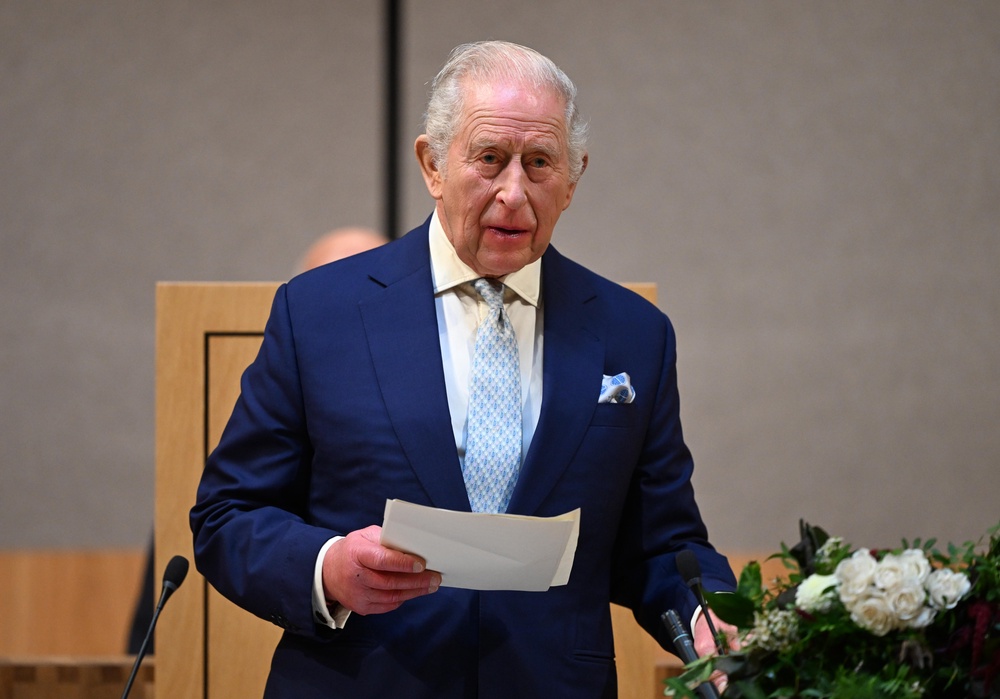
Submissions from Andrew’s legal team note that officers told the Old Bailey judge: "AMW or his legal team may seek to advance that the property belongs to someone else (the King) and that separate legal permission should be sought."
Police further argued: "Obtaining such consent may not be expeditious and seeking to do so in advance may frustrate the nature and purpose of the search," they added.
According to the same documents, police considered Andrew a suspect “in a number of serious offences”, including forwarding official reports to paedophile financier Jeffrey Epstein “within minutes of receiving them”.
The reports related to Andrew’s official trips as trade envoy to Singapore, Vietnam, China and Hong Kong in October 2010.
The documents also contained a statement from the Detective Chief Inspector in charge of the raids at Andrew’s properties to the Old Bailey judge who granted the warrants.
The DCI, whose identity was not disclosed, told the judge: “My investigative objectives are to secure relevant evidence in a timely and secure fashion.
“Failure to do so risks loss of evidence and a consequent loss of public trust and confidence in the investigation.
“AMW and or his representatives may or may not be in a position to grant access to the premises, either way I cannot risk not have an appropriate legal power to achieve my objectives.”
Police also argued it was a “matter of public record” that Andrew “has previously not engaged with other investigative strands relating to his alleged involvement with Jeffrey Epstein.”
Andrew’s lawyers denied the allegation, adding that TVP never contacted the former Duke of York or his legal team to ask whether they would grant access to the residences “or any relevant evidence”.
“Such contact from (TVP) was plainly appropriate in circumstances of the media publicising its investigation,” they said.
“There is no explanation in the application… of why there were reasonable grounds for that conclusion given the claimant’s good character, his public role as a former working member of the royal family, the intense public scrutiny to which he is subject, and the willingness expressed in respect of other investigations to assist the police and co-operate.”
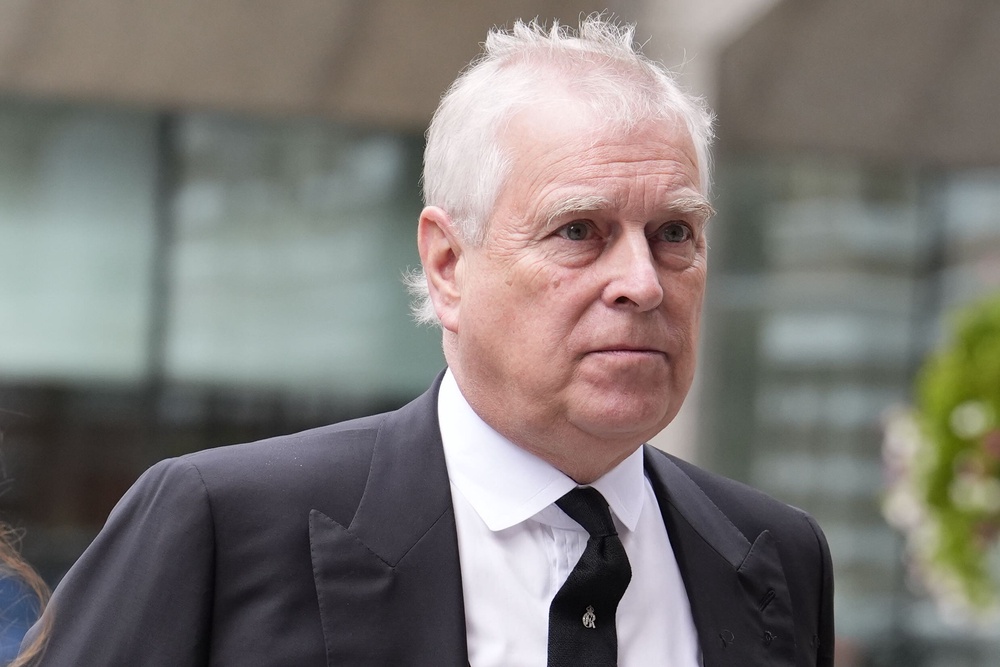
The former Duke of York was taken into custody on suspicion of misconduct in public office on 19 February, his 66th birthday, following claims he shared sensitive information with Jeffrey Epstein while serving as trade envoy for the UK.
Andrew was interviewed under caution before being released under investigation. He denies all allegations of wrongdoing, and the police inquiry remains ongoing.
Last week, Mr Justice Hilliard noted that although Thames Valley Police and the King’s younger brother came to an "agreement" regarding the unlawfulness of the warrants, the force has launched a legal application to retain evidence gathered during the searches in February.
The judge stated that Andrew opposes the bid to retain the evidence, with a hearing in the case to be held in private in 2027.
Consequently, the former prince could remain in limbo for several more months before learning if he will be charged with an offence.