

Pope Leo XIV has resumed work from the hospital while doctors wait for test results that will determine the next step in his cancer treatment.
The 71-year-old pontiff's lung has recovered well following surgery to remove a cancerous nodule, his doctors and the Vatican say.
Leo's post-operative tests remained within normal levels, according to his personal doctor, Dr Luigi Carbone, and Dr Stefano Margaritora, the head of thoracic surgery at Gemelli hospital.
His physiotherapy session on Thursday involved full mobility exercises, and the pope went about his daily activities independently, the update said.
“The chest X-ray revealed good recovery of the operated lung,” they reported. “Overall, his postoperative recovery is proceeding as expected.”
The Vatican separately said Leo had resumed working from the hospital and was looking at documents.
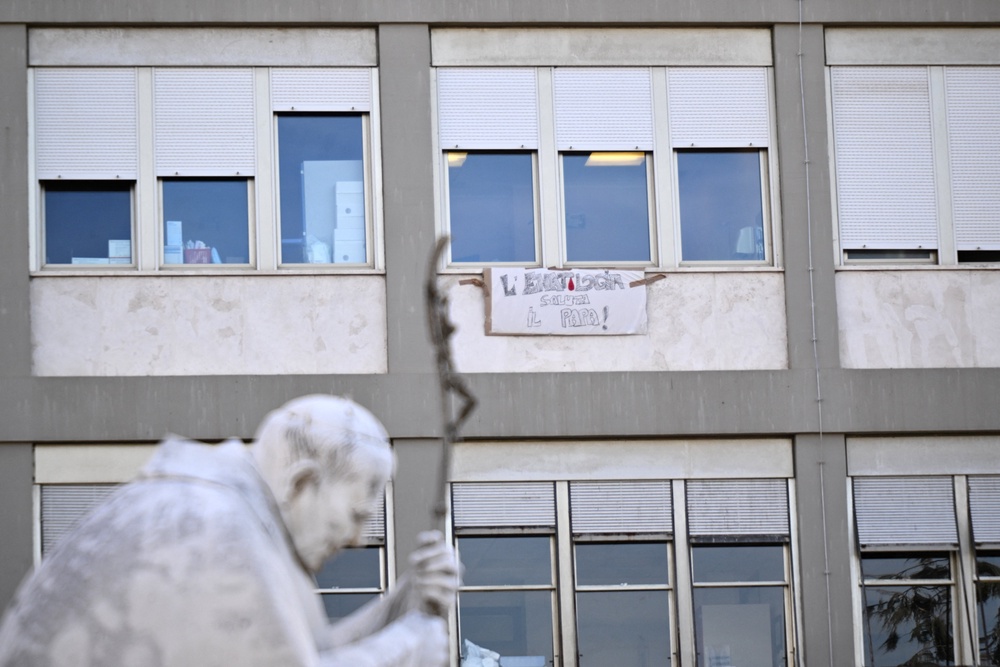
For a second day, he celebrated Mass with other priests in a special chapel set up for him near his room on the 10th floor of the hospital.
Doctors removed the lower right lobe of Leo's right lung on Tuesday after identifying a suspected cancerous nodule. The surgery confirmed he had adenocarcinoma, the most common type of lung cancer.
Tests are still pending that will show the precise molecular makeup of the cancer, whether it has spread beyond the lobe and whether any further treatment is necessary.
Spokesman Matteo Bruni was asked whether any changes were expected to Leo's planned trip to South America from Nov. 6-17. He pointed to Leo's words on Sunday, when the pope announced the discovery of the nodule and his impending surgery.
“Thank you for your prayers for the pastoral visit I will make to Peru,” Leo said on Sunday in Spanish, in a greeting delivered to a Peruvian group.
The trip is also scheduled to include stops in Uruguay and Argentina. Leo is expected to remain hospitalized until at least Oct. 20.
Pope’s visit to Lourdes now seen in a different light
During his Sept. 25-28 journey to France, Leo walked in the footsteps of millions of pilgrims who travel to the shrine in Lourdes each year to drink its spring water and pray for miraculous cures for their ailments.
The recent trip is now viewed in a fresh light, offering Leo a well of strength from the recent past to help navigate an uncertain future.
The Vatican has not revealed when Leo was first informed that doctors suspected a cancerous mass in his lungs. Before Tuesday’s procedure, he underwent several preoperative tests, including a CT scan with contrast, a PET scan, and a robotic biopsy, which requires general anesthesia during a separate, confidential hospital visit.
Strong indications suggest Leo was aware of his health concerns before leaving for France and chose to schedule his surgery for Tuesday—normally his day off—"because he wanted to keep as much as possible the commitments he made," according to Giovanni Maria Vian, the former editor of the Vatican newspaper L'Osservatore Romano.
These revelations give Leo's time at Lourdes a far deeper weight, given the probability that he already knew he was facing illness himself.
Leo arrived at the sanctuary on the evening of Sept. 26 and went straight to the Grotto of the Apparitions, where visions of the Virgin Mary were alleged to have occurred more than a century ago. He carried out the traditional "three gestures" of a pilgrim seeking a cure: drinking from the springs, lighting a candle, and touching the stone.
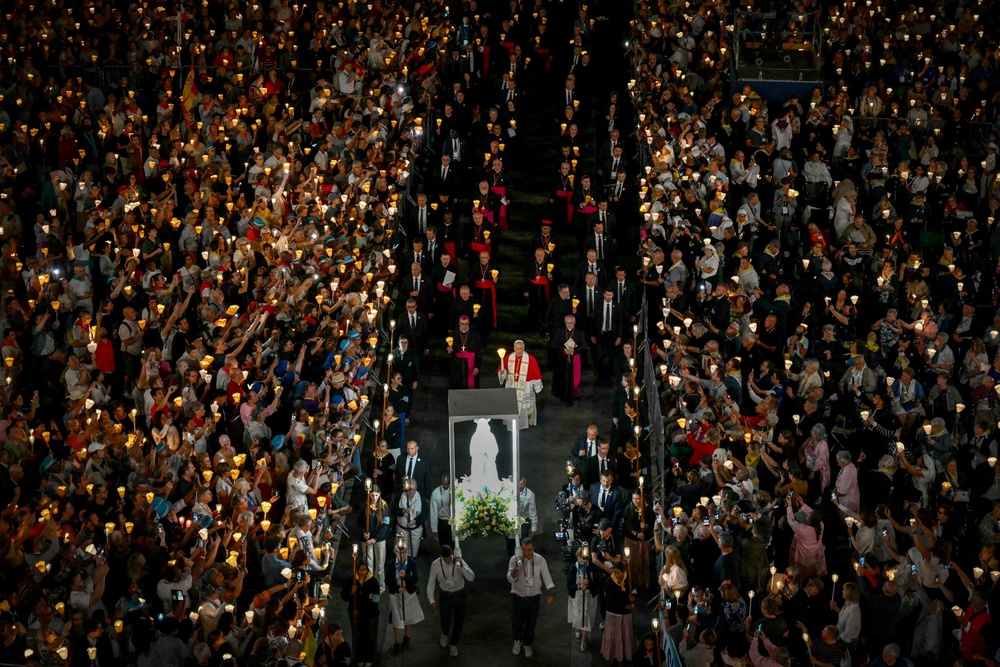
The following day, he celebrated Mass in front of 150,000 people, many of them infirm, and condemned laws permitting assisted dying. He moved toward a crowd of individuals in wheelchairs and allowed them to embrace him. Following a taxing day and appearing to contend with his own physical strain, Leo walked among the sick carrying a torch during an emotional nighttime procession, a central tradition of the pilgrimage.
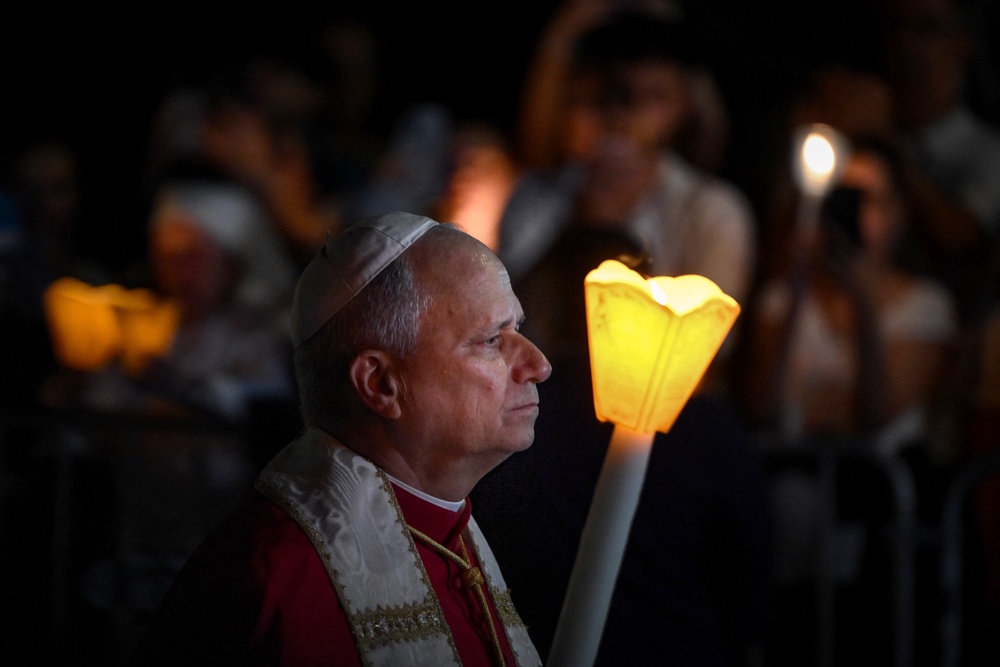
On his return flight, Leo told reporters he had witnessed "almost miracles" in Lourdes "walking with, accompanying so many people who are sick and suffering and seeing how the grace of God’s presence manifested in many different ways, touches people’s hearts, transforms their lives."
He did not explicitly rank himself among their number, yet he clearly absorbed the core lesson of Lourdes.
"Being in a place, especially like Lourdes where people are searching for something much deeper and understanding that their lives, even in the midst of sickness or disability or pain of different kinds — their life has meaning," he said.
Read MoreChicago Catholics rally for prayer in Pope Leo’s hometown after his lung cancer diagnosis


