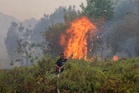
TAWAU: Sri Tanjong Assemblyman Justin Wong called on the Prime Minister to formally press Indonesia over forest fires and transboundary haze.
He said Jakarta had deployed more personnel to fight the fires, but the results remained limited.
“The haze has still not dissipated, and the situation could worsen at any time,” he said, pointing out that haze has affected Malaysia since May, forcing some schools to close, outdoor activities to be cancelled and illnesses to rise.
Wong said Indonesia had the right to govern its domestic affairs, but the recurring haze posed real health risks to Malaysians and would undermine friendly ties if it persisted.
“Malaysia and Singapore have previously expressed their willingness to provide assistance publicly, but Indonesia has not accepted their offers. The haze is not an isolated seasonal occurrence. It is a recurring problem year after year.
“Schools in affected areas are repeatedly forced to close, while various public and sporting activities have to be cancelled at short notice.
The haze not only affects the tourism and aviation industries but also directly disrupts the normal functioning of the education system,” he said.
He asked whether Putrajaya should consider other strategies if diplomatic channels continued to fail to deliver results.
He said the Health Ministry’s data showed upper respiratory tract infections nationwide rose 10.43 per cent, from 3,509 to 3,875 cases, between Epidemiological Weeks 39 and 40. Conjunctivitis cases increased 26.47 per cent, from 102 to 129.
“Health experts have warned that fine particulate matter (PM2.5) and ground-level ozone together may raise the risk of respiratory and cardiovascular diseases, particularly among the elderly and other vulnerable groups.
“Sunway University economics professor Yeo Jin Long estimated the haze was causing daily losses of RM20 million to RM50 million, or RM600 million to RM1.5 billion monthly,” he said, describing the figures as conservative.
He said tourism and aviation are among the hardest hit, with international tourist arrivals possibly falling by as much as 8 per cent and GDP losses reaching RM1.5 billion.
“Vegetable farmers have reported lower yields and fruit harvests have fallen by nearly half. The oil palm industry is expected to face production delays of six to 12 months,” he said.
Wong also referred to remarks reportedly made on Oct 10 by Syahganda Nainggolan, head of Indonesia’s Government Communication Agency (Bakom), who was said to have told the media that Indonesia also provides oxygen when there is no haze and that the oxygen in Malaysia and Singapore comes from Indonesian forests.
“Such remarks cannot conceal the facts surrounding transboundary haze pollution caused by human-induced forest fires, nor absolve those responsible of their accountability,” Wong said.
He said finding a more effective breakthrough through diplomatic engagement, regional cooperation and the protection of public welfare had become an urgent challenge for Malaysia and Asean member states.