
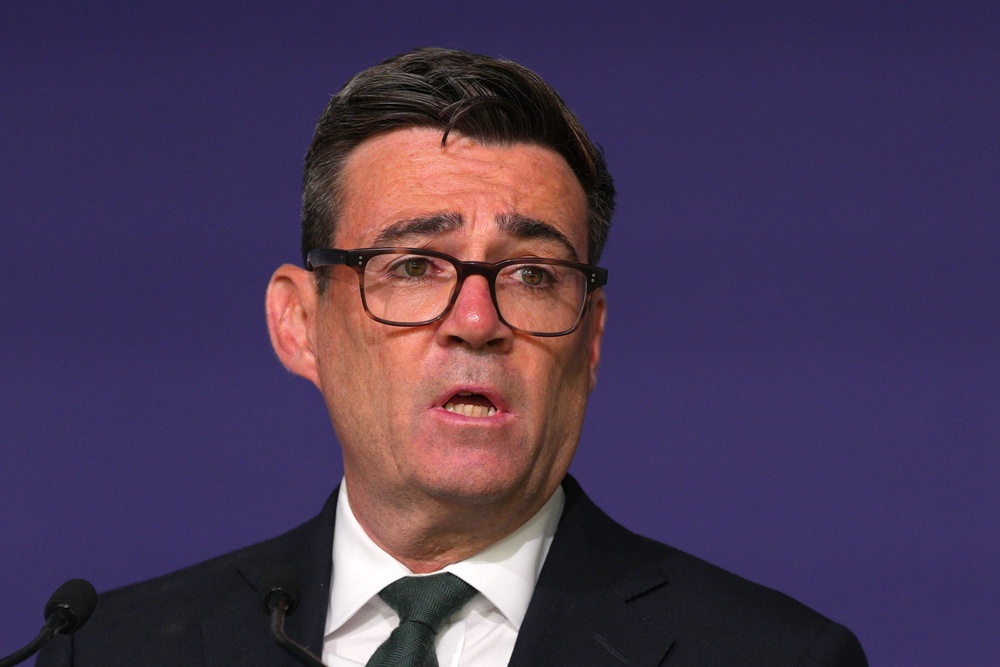
Andy Burnham must “be courageous and take action” to end the scandal of indefinite jail terms to prevent Britain’s overcrowded prisons splitting at the seams, a prisons chief has warned.
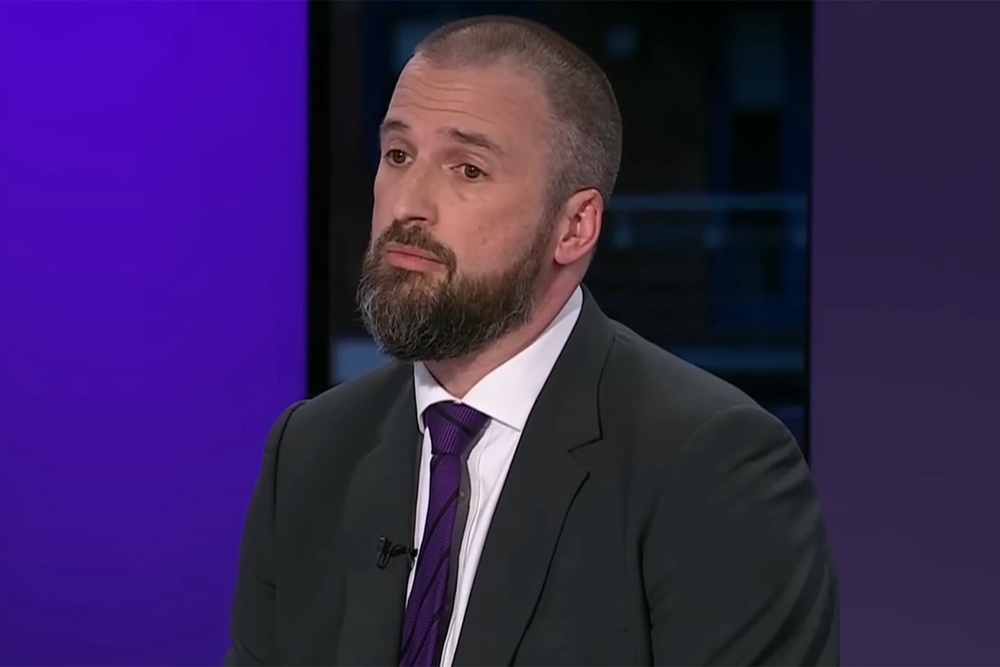
Tom Wheatley, the president of the Prison Governors’ Association, has urged the prime minister to find a “lasting resolution” for almost 2,300 prisoners still trapped on Imprisonment for Public Protection (IPP) jail terms as he scrambles to free up cells in response to a backlash to the government’s early release scheme.
He has tasked justice secretary Alex Norris with finding a way to halt the early release of two of the killers of PC Andrew Harper, urging him to address the “clearly unfair” jail terms among potential space-saving measures.
Mr Wheatley, head of the union, which represents senior prison leaders across the country, said it was time for the government to take “decisive action” to finally end the IPP injustice, which would also have the added benefit of freeing up hundreds of cells.
Mr Wheatley said enforcing the hopeless sentence has created “issues of conscience” for prisoner governors, including members who struggled to cope after IPP inmates in their care took their own lives after losing hope of release. At least 96 prisoners serving the draconian sentences have taken their own lives in jail.
“It is a really knotty problem, but someone has to be courageous and take action,” he told The Independent, adding that in many cases IPP prisoners have now become victims themselves after years trapped on the unjust jail term.
Mr Wheatley also warned that rowing back on the Sentencing Act, which was due to see 5,000 prisoners released early from next month, risks leaving the prisons system in a perpetual state of overcrowding and on the edge of crisis.
“We really are reaching a point now where prisons have been under such constant pressure, have been overcrowded for so long, operating with not enough staff for so long that the seams are splitting,” he said.
Unless prison populations are brought to manageable levels, some prisoners will leave custody more dangerous than when they arrived, he added.
“If you don’t manage to rehabilitate people you are not protecting the public,” he continued. “If we release them unchanged from when they originally offended or, in some cases worse, then we are increasing the risk to the public.”
Mr Wheatley, who has governed six jails, said the desire for politicians to appear tough on crime had resulted in sentence inflation that has helped lead to the current crisis, with average sentence lengths soaring in recent years.
In the face of public criticism, Mr Burnham has already excluded rapists and child groomers from early release measures in Labour’s Sentencing Act and is now reportedly considering excluding those who commit unlawful act manslaughter after backlash over the inclusion of PC Harper’s killers.
More than a million people have signed a petition calling for him to stop two of the teenagers from being freed halfway through their 13-year sentence for manslaughter.
He continued: “It is absolutely understandable views of victims and their families that justice hasn’t been done. It’s a human response. But we have used that human response in a number of ways to drive sentencing policy and that has got us into the position that we are now in.”
He fears Mr Burnham’s response to the public outcry is “another version of sentence inflation; it is the same sentiment driving it”.
He said the prime minister should listen to victims and their families, but cautioned he must strike a balance with the wider issues facing the justice system because prisons need to reach a position where they have “genuine operational headroom”.
“That does mean that you might have to change the length of sentences and reduce them,” he continued.
“You might have to think of different ways to deal with people whose behaviour is criminal and getting to the root causes of that criminality. If drug dependency is an issue, if you deal with drug dependence it might be more effective than consigning them to a prison that's overcrowded and under resourced.”
Mr Norris is due to present a plan to ease overcrowding to parliament in September. Potential measures the prime minister has already identified to save space include speeding up the removal of foreign national offenders, using some women’s prisons to house men and finding a resolution to the “long-running injustice” of IPP sentences.
The open-ended sentences – which The Independent has campaigned for more than two years to have reviewed – were outlawed in 2012, but not retrospectively. Introduced under New Labour in a bid to be tough on crime, they were handed to many repeat offenders, even if their crimes were minor. They have left thousands languishing without a release date, with some now having served up to 22 times longer than their original tariff.

The government is facing legal action after the United Nations, which has long raised concerns the punishment causes psychological torture, found some IPP prisoners are being arbitrarily detained in a damning legal opinion issued last month.
The union has been calling for an end to open-ended IPP jail terms since 2017. Mr Wheatley said the jail term had left some prisoners to grow up incarcerated feeling like the sentence would “go on forever”.
“They have in essence grown up in prison and I think if we were all to reflect on various behaviours when we were not fully mature, we didn’t always behave properly,” he said.
“I am not minimising what they did then. But you are not the same person at age 40 as you were at age 20.”
A Ministry of Justice spokesperson said: “It is right that these sentences were abolished, and as the IPP annual report shows, support has significantly improved for these offenders, with greater access to rehabilitation and mental health support. We are now looking at what more can be done.
“As we have set out, the justice secretary is reviewing reforms to these unjust sentences.”