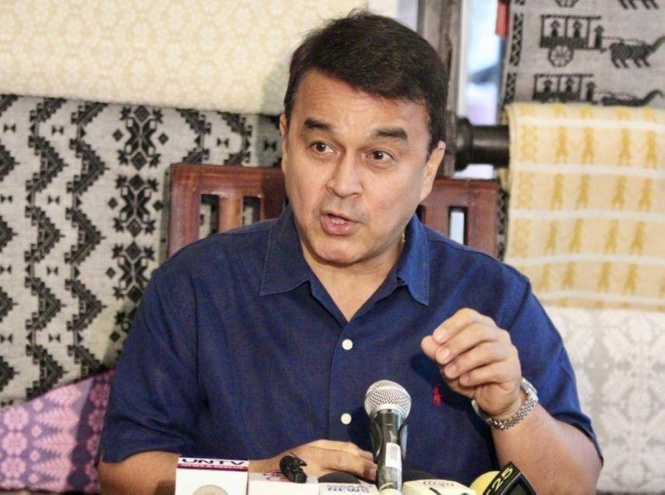
MANILA, Philippines — House of Representatives prosecution adviser Ace Barbers on Thursday urged law enforcement and financial intelligence agencies to investigate suspected links between illegal Philippine Offshore Gaming Operators (POGOs) and political financing ahead of the 2028 elections, warning that criminal syndicates could use illicit money to buy political protection.
“If these reports are true, we must act now. Trace the money, identify the financiers, expose their political contacts and build airtight cases against anyone involved in this scheme,” Barbers said, citing warnings from Philippine Amusement and Gaming Corp. spokesman Winston Casio that remnants of illegal POGO operations could bankroll candidates in exchange for protection.
Barbers called on the Philippine National Police, National Bureau of Investigation, Armed Forces of the Philippines intelligence units, Presidential Anti-Organized Crime Commission, Anti-Money Laundering Council and Commission on Elections to coordinate efforts to trace suspected illicit funds and investigate possible links between organized crime and political financing.
His call comes amid continuing law enforcement operations against suspected POGO-linked facilities despite the nationwide ban on the industry.
On Oct. 2, 2026, authorities arrested 244 foreigners, mostly Chinese, during raids on suspected POGO-related facilities in Siay and Alicia, Zamboanga Sibugay. Authorities seized about 3,000 mobile phones, along with computers, laptops and SIM cards, while investigators examined possible human trafficking violations.
Another 76 foreigners — 74 Chinese and two from Myanmar — were apprehended on Oct. 12 at a suspected illegal POGO-related facility in Barangay Socorro, Cubao, Quezon City, which authorities alleged was being used for online scams. The AFP also examined possible national security concerns arising from the facility’s proximity to Camp Aguinaldo.
“These operations show why we cannot afford to be complacent. Even after the POGO ban, suspected operations are still being uncovered in different parts of the country,” Barbers said, urging investigators to determine who finances the operations, provides logistical support and may be shielding those involved.
He also called for investigators to establish whether the suspected facilities were connected, whether their proceeds move through common financial channels and whether evidence supports allegations of political protection or election-related funding.
Barbers, who previously headed the House Quad Committee, said the inquiry had examined alleged criminal activities associated with illegal POGOs, including money laundering, human trafficking, kidnapping, online scams and corruption of local collaborators.
He stressed, however, that alleged links to political financing must be established through evidence rather than assumptions based on nationality or association with a suspected operation.
“An arrest is only the beginning. The bigger task is to dismantle the entire network — its money, its operators, its protectors and its connections,” Barbers said.
He also challenged presidential and local candidates to reject campaign contributions linked to criminal activities and publicly oppose illegal POGO operations.
“The Filipino people deserve elections decided by voters — not by criminal money,” he said.