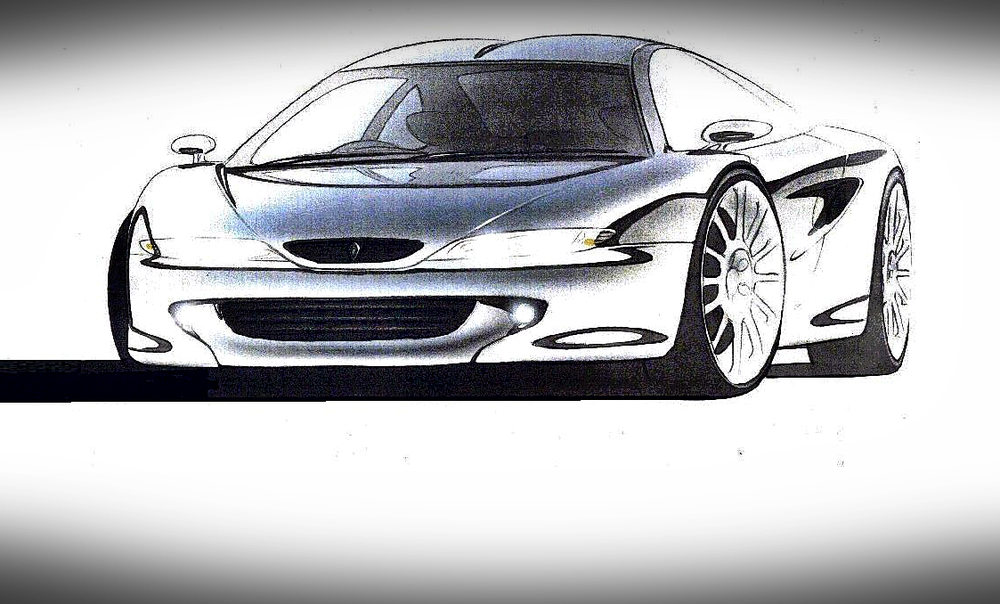
What if Malaysia had its very own Lotus-backed supercar parked in everyday homes two decades ago? In the early 2000s, as the Saga and Wira firmly held their ground on local roads, Proton quietly embarked on an audacious mission to redefine its brand. As detailed by veteran automotive journalist Chips Yap for Mota Auto, the internal programme known as 'Project Sepang' set out to build a genuine 2.0-litre mid-engined sports car for the masses.
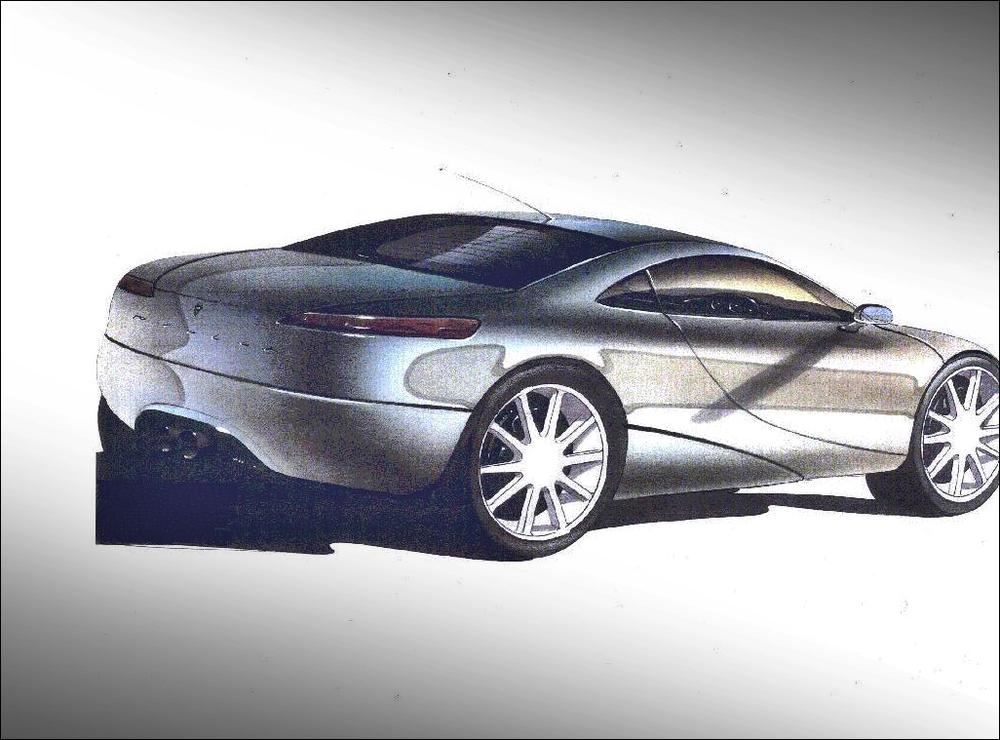
Designated as the 'Proton Ultimate' (PU), the proposed coupe promised composite-lightweight performance to rival Nissan Silvia and Toyota Celica. The kicker? Proton planned to price it at just RM150,000 by pairing exotic Lotus platform tech with everyday factory components, including brakes lifted directly from the humble Proton Wira.
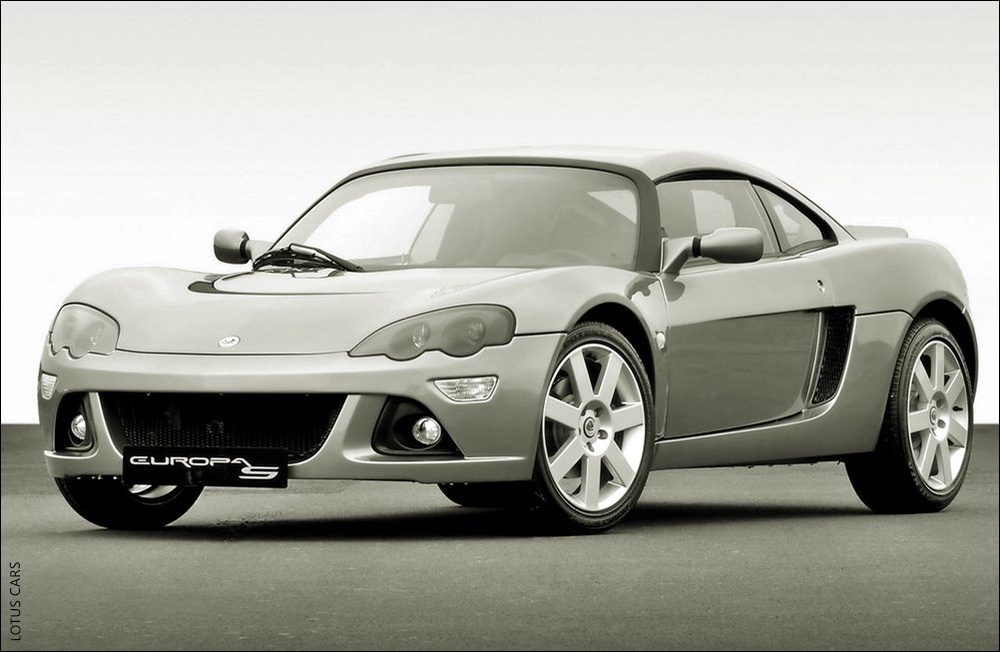
Activated in late February 2000, 'Project Sepang' was intended to hit the market in just three years, a remarkably short development timeline made possible by composite materials and Lotus's modular 'Monaco' chassis platform. Lotus ensured its own sports cars remained distinct from Proton's offering, eventually evolving the 'Monaco' structure into the limited-run 2006 Lotus Europa S.
By combining Lotus's lightweight 'Monaco' aluminum chassis with mass-produced Proton Wira components, engineers slashed development costs to just 25% of a standard sedan.
To slash R&D spending down to a quarter of traditional sedan costs, Proton capitalized on economies of scale that Lotus lacked. By borrowing high-volume factory components, such as brake systems from the Proton Wira, the manufacturer preserved generous profit margins while keeping the intended retail price capped at RM150,000.
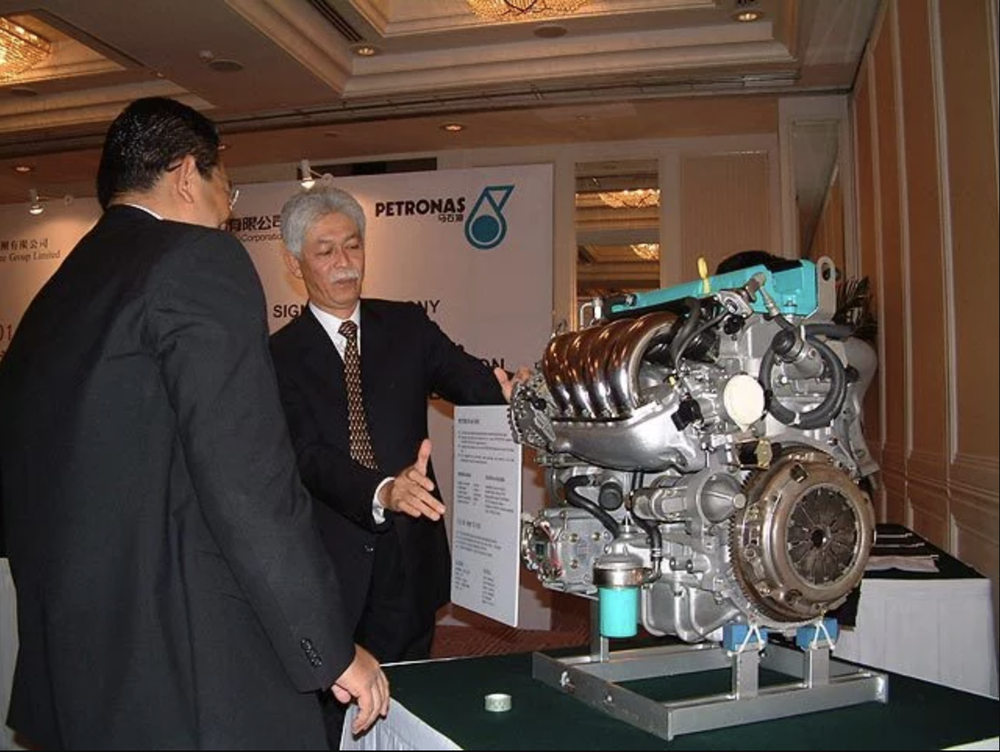
Powertrain candidates were equally exotic. Proton evaluated the 204 bhp Petronas E01, a high-revving 2.0-litre engine resulting from a 1997 project, as well as a forced-induction Proton V6 capable of pushing 200 bhp. At least one fully functional prototype was completed using an American-sourced angine.
Initial builds considered the high-revving 204 bhp Petronas E01 engine. At least one working prototype was built before the project was quietly shelved.
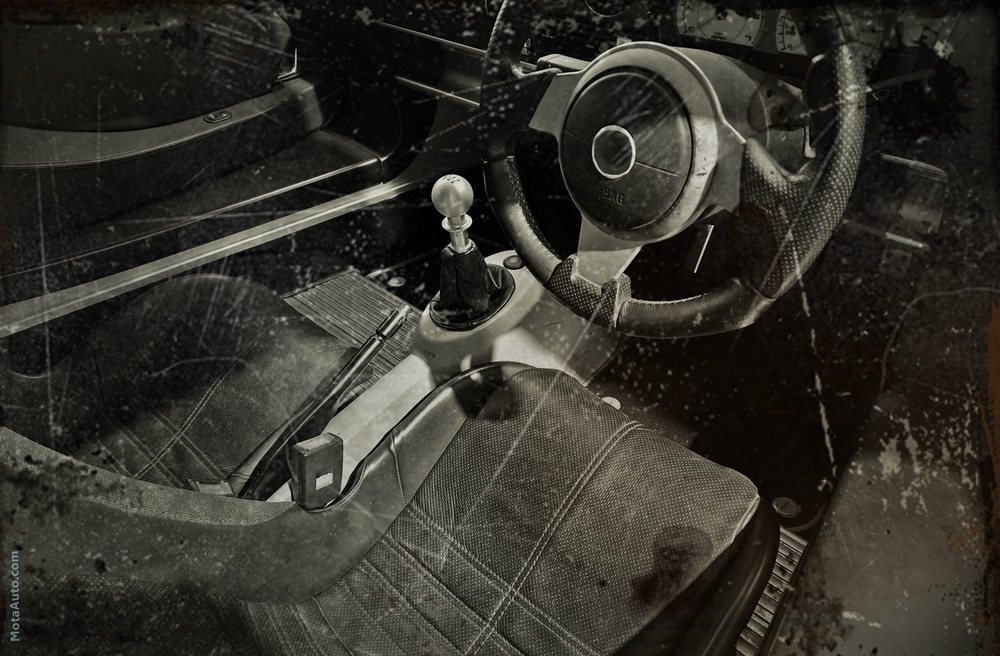
Planned for a production run of 10,000 to 15,000 units over five years at the Shah Alam assembly plant, the 'Proton Ultimate' was ultimately shelved due to shifting corporate priorities and leadership changes.
The exact whereabouts of the sole working prototype remain unknown, with rumors suggesting it met the same fate as the scrapped Satria Cabriolet prototype following Geely's ownership acquisition.