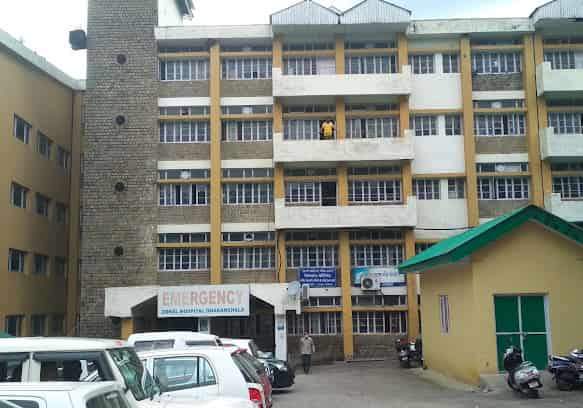
A shortage of pyridoxine (vitamin B6), routinely prescribed alongside anti-tuberculosis medication, has triggered concern among TB patients and healthcare providers in Kangra.
The supplement plays an important role in preventing nerve-related side-effects associated with certain TB drugs. It has been reported to be in short supply in the healthcare institutes across the district.
Pyridoxine is an essential water-soluble nutrient required for protein metabolism, red blood cell production and proper nervous system function. It is routinely provided to TB patients undergoing treatment with isoniazid to help prevent peripheral neuropathy, a condition that can cause tingling, numbness and pain in the hands and feet.
The shortage comes at a time when Kangra continues to report a significant TB burden. According to Health Department data, the district registered 2,807 tuberculosis patients during 2025. In 2026 — as of May — 1,180 new TB cases have already been identified, highlighting the continued need for uninterrupted treatment support and essential medicines.
District health authorities have assured that steps are being taken to restore supply. Kangra District Programme Officer for TB Elimination Dr Rajesh Kumar Sood said that TB medicines are supplied by the Centre and sometimes delays occur.
“Pyridoxine is supplied by the Centre on a quarterly basis and the current shortage has occurred due to a delay in the latest consignment,” said Dr Sood.
He clarified that pyridoxine is a supplementary medicine required only by certain categories of TB patients and not by every patient undergoing treatment.
He said that for immediate requirement, a local procurement of 10,000 pyridoxine tablets is under process and could take up to a week. In addition, a consignment of one lakh tablets is expected to reach the district within the next week, which will help normalise supplies across healthcare institutions.
Patients and healthcare workers have expressed concern that the absence of pyridoxine could increase the risk of treatment-related complications, particularly among vulnerable groups such as pregnant women, malnourished individuals, people living with diabetes and patients with HIV.
Health authorities maintained that anti-TB medicines remain available and treatment services continue without interruption. Public health experts stress that timely availability of both anti-TB drugs and supportive medications is crucial for successful treatment outcomes and for preventing patients from discontinuing therapy.