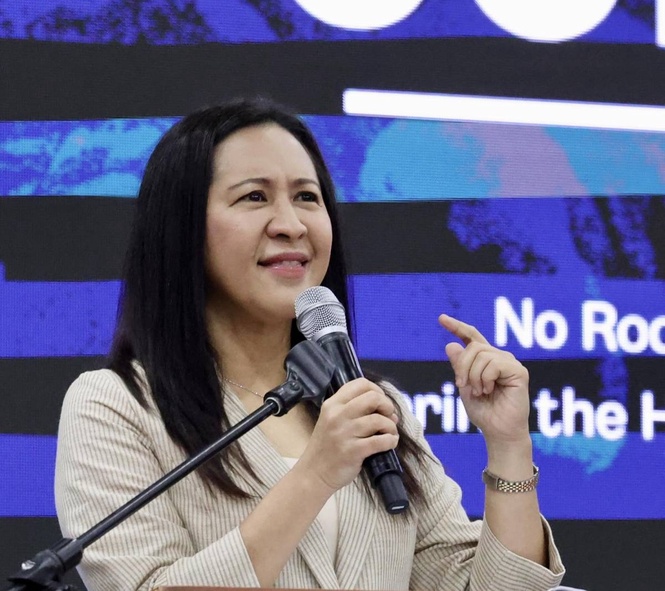
QUEZON CITY Mayor Joy Belmonte on Tuesday said the city has joined 96 C40 member cities worldwide in launching a task force (TF) on extreme weather, as they set an ambition to have effective early warning systems and emergency preparedness plans by the end of 2027.
Belmonte said the C40 task force on the super El Niño and extreme weather was established by the mayors of Curitiba, Paris, Cape Town, Miami, Mumbai and Quezon City, among others.
It aims to make early warning systems a basic standard of protection in some of the world’s largest cities, ensuring residents receive timely alerts and local authorities have practical plans to protect lives, homes and livelihoods, she said.
According to C40 Cities, a global network of mayors driving the future of city climate action, the push was urgent as a potentially powerful El Niño threatens to disrupt global weather patterns, raising the risk of flooding, drought, extreme heat, and other hazards.
Although El Niño is a natural phenomenon, it is unfolding amid human-caused global heating, which is intensifying many climate extremes, it said.
The combined risks underscore the need to protect communities from immediate threats while rapidly cutting the greenhouse gas emissions driving long-term climate change, it added.
C40 cited QC for establishing the “innovative early warning system” called the iRISE UP system, which combines real-time weather monitoring, localized risk maps and forecasting to identify communities in danger and support early evacuations.
It said that iRISE UP has issued more than 1,300 weather advisories and helped authorities coordinate the pre-emptive evacuation of more than 10,000 residents annually.
Since introducing the system in 2020, Belmonte said the city government has trained more than 17,000 people in disaster response and is now targeting zero extreme-weather-related casualties.
“Every city should have the tools to protect its residents. By working together through this task force, we can share what we have learned and help more cities put effective early warning and preparedness systems in place,” she said.
The World Meteorological Organization estimates that countries with comprehensive early warning systems covering most of their populations experience nearly six times fewer disaster-related deaths than those with limited coverage.
According to C40, the task force would bring together political leadership from across C40’s global network to share proven solutions and strengthen cities’ responses to extreme weather.