.jpg)
By Mihar Dias (C) Copyright August 2024
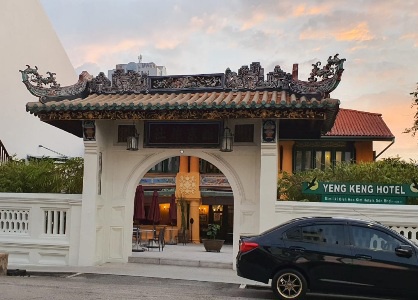
The Penang Malays Association (Pemenang) recently proposed to resettle up to 10,000 Malay families back to George Town, Penang. This initiative is both bold and symbolic, reflecting deep historical and socio-cultural roots.
It aims at creating a Malay enclave in an increasingly cosmopolitan area, preserving and re-establishing a distinct Malay-Muslim identity within the urban landscape.
Historically, Penang has been a melting pot of cultures and ethnicities, with Malays among the original settlers. The story of Rais, a member of our congregation whose great-great-grandfather, a Muslim pioneer, rode with Captain Light to clear jungle lands on the island in the 18th century, highlights the deep-seated connections some Malay-Muslim families have with Penang, tracing back to its founding days.
However, socio-economic pressures and rising living costs have led to the migration of many Malays from the island to more affordable regions on the mainland and in neighbouring states.great
This resettlement initiative addresses not only socio-economic challenges but also the cultural and historical erasure that can occur in rapidly urbanizing areas. The designation of wakaf land, left behind by Muslim families, for this purpose underscores a commitment to preserving the Malay-Muslim heritage and ensuring that it remains a visible and vibrant part of George Town's tapestry.
However, the plan is not without its complexities. While it seeks to reintegrate a community that has been edged out by economic forces, it also raises questions about inclusivity and urban planning dynamics.
The creation of a "Malay enclave" must be carefully managed to avoid unintended segregation or isolation, ensuring that it contributes positively to the multicultural fabric of the city.
Collaboration with Bumiputra agencies and the emphasis on economic empowerment are crucial elements that need detailed planning. Providing housing is not enough; there must be robust support systems in place to ensure sustainable livelihoods and integration into the broader economic framework of Penang.
In conclusion, Pemenang's proposal offers a significant opportunity to reconnect the Malay community with its historical roots in George Town.
It also serves as a reminder of the importance of inclusive urban development that honours the past while embracing the future. As the plan progresses, careful consideration must be given to the social and economic integration of these families, ensuring that the enclave becomes a thriving and integral part of Penang's diverse community and not a national embarrassment.
Mihar Dias is a content creator under the Newswav Creator programme, where you get to express yourself, be a citizen journalist, and at the same time monetize your content & reach millions of users on Newswav. Log in to creator.newswav.com and become a Newswav Creator now!
The User Content (as defined on Newswav Terms of Use) above including the views expressed and media (pictures, videos, citations etc) were submitted & posted by the author. Newswav is solely an aggregation platform that hosts the User Content. If you have any questions about the content, copyright or other issues of the work, please contact Newswav.

