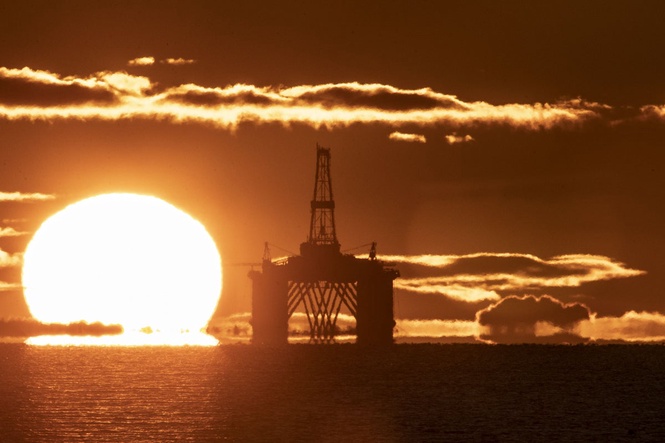
Failing to approve the controversial Rosebank and Jackdaw fields in the North Sea could cost the UK thousands of jobs a year, a report has warned, along with a loss to the economy of almost £11 billion over the next decade.
Research for Adura – the company behind both the Rosebank oil field and the Jackdaw gas field – finds that the “UK North Sea stands at a critical juncture”.
It comes as the UK Government continues to consider if the two projects, which were initially approved by the previous Conservative administration, should be given the go-ahead.
And while Labour had promised a ban on new drilling in the North Sea in its 2024 election manifesto, Prime Minister Andy Burnham has vowed to take a “pragmatic” approach to such decisions.
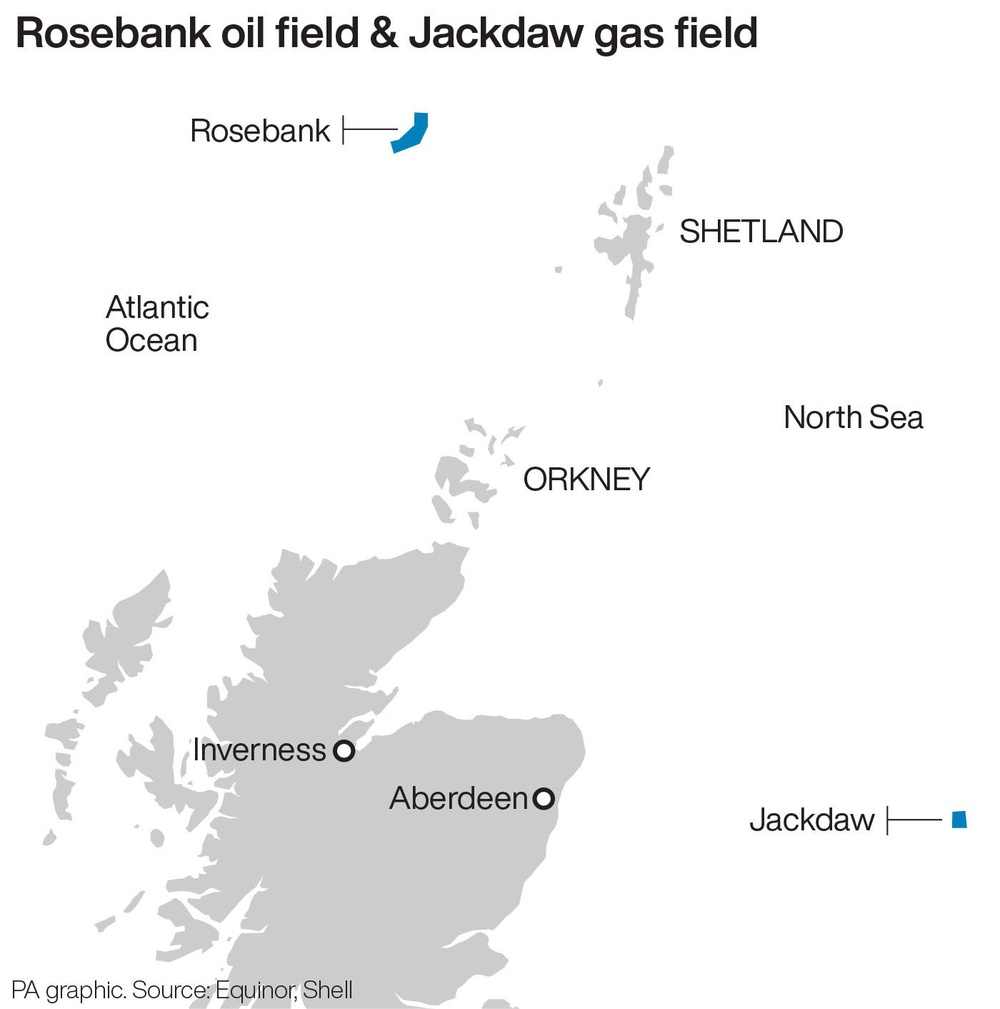
In the wake of that, reports have suggested the UK Government will approve new North Sea drilling, starting with the Jackdaw gas field located 150 miles east of Aberdeen.
A decision on Rosebank – the largest untapped oil field in the North Sea, which lies some 80 miles north-west of Shetland – is also due.
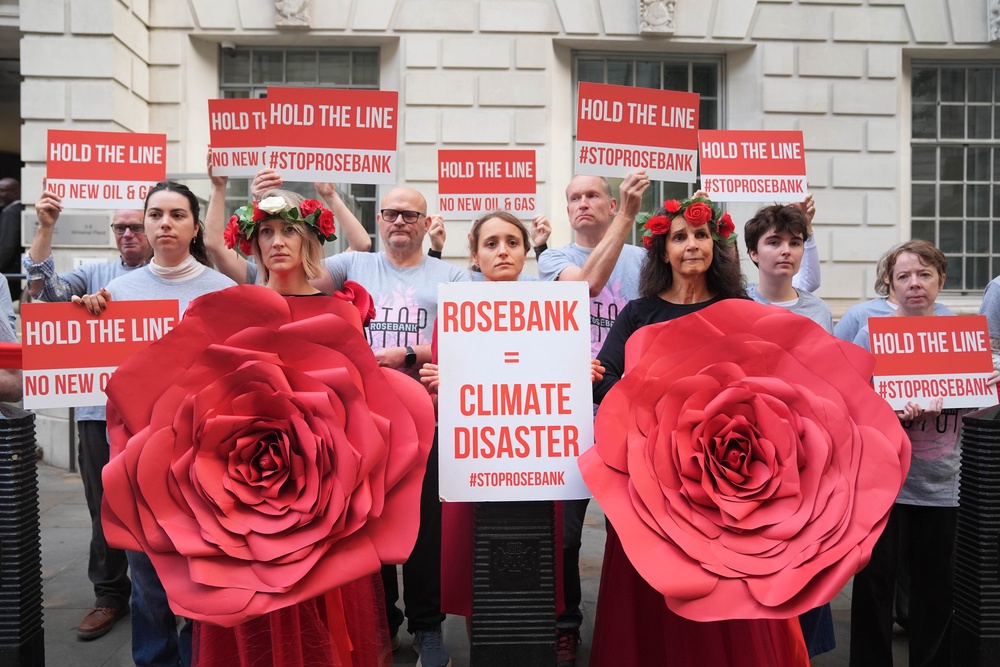
New analysis by Public First – which was commissioned by Adura – examines the impact of the projects, both of which are fiercely opposed by environmental campaigners.
It finds that approving Rosebank and other planned fields would support £35.3 billion in UK GVA between 2026 and 2035, compared with £24.5 billion if key oil projects do not go ahead – a difference of £10.8 billion.
The number of jobs supported would fall from an average of 13,860 a year to 10,530, meaning 3,330 fewer jobs across the UK economy every year.
Meanwhile, consenting to both Jackdaw and Rosebank could provide the UK with a £4.1 billion boost to tax revenues over the next decade.
Neil McCulloch, chief executive of Adura, said: “This report puts a clear price on leaving viable North Sea resources from existing licensed fields in the ground.
“Failure to approve Rosebank and other planned developments would mean billions of pounds less economic value for the UK and thousands fewer jobs supported every year.”
More than half of the jobs supported by Adura are estimated to be in Scotland, the report states.
Mr McCulloch added: “Jackdaw and Rosebank are two of the most important investment decisions now facing the UK. Their impact will be felt well beyond the projects themselves, across the supply chain, the wider economy and the public finances.
“The UK North Sea still represents a substantial economic prize. Decisions taken now will help determine how much of that value, employment and investment is retained here in Britain.”
He spoke out as the report told how “the UK North Sea is at a pivotal moment”, stressing that the sector is still “central to the UK’s economic resilience, energy security and managed transition to net zero”.
With energy prices having risen, it adds that “recent geopolitical turmoil” has highlighted the “importance of access to secure and affordable energy for both British households and businesses”.
Stressing that “demand for oil and gas is expected to remain high” for decades to come, the report says that the UK “will therefore need a level of supply to meet this significant demand” – either from domestic production or from imports.
However, this could have “significant implications for UK carbon emissions”, with imports of LNG (liquefied natural gas) said to have an emissions impact that is more than three times higher than domestic production.
Professor Nick Butler, visiting professor at King’s College London and a former senior policy adviser to Gordon Brown, insisted that “Rosebank and Jackdaw are great projects of which we should be proud”.
Writing in the report’s foreword, Prof Butler said: “Their development, along with the continued development of the other resources which remain in the UKCS (UK continental shelf), is an essential contribution to maintaining the energy security on which British consumers – business as well as households – rely.”
But Katherine May, head of Oxfam Scotland, said: “It’s hardly surprising that a report commissioned by an oil company concludes that more drilling is a good idea.
“Asking it to assess Jackdaw and Rosebank is like asking a seagull whether chips should be left unguarded.”
She said that “conspicuously absent” in the report was “any serious reckoning with the cost of climate breakdown”, with Ms May stating: “The UK’s own climate advisers warn that climate change is increasingly threatening the country’s prosperity and security, with costs that could run to tens of billions of pounds a year by mid-century.
“Meanwhile, the lifetime emissions from Rosebank and Jackdaw could drive an estimated 65,495 excess heat deaths globally by 2100.”
A spokesperson for the UK Government’s Department for Energy Security and Net Zero said: “The North Sea remains a vital national asset and oil and gas will continue to play an important role in our energy system for decades to come – alongside transitioning to clean power to protect jobs and tackle the climate crisis.
“Any decision will take into account all relevant evidence, including environmental assessments and public representations received as part of the regulatory process.”


.jpg?width=1200&auto=webp&trim=0%2C0%2C0%2C0)