.jpeg)
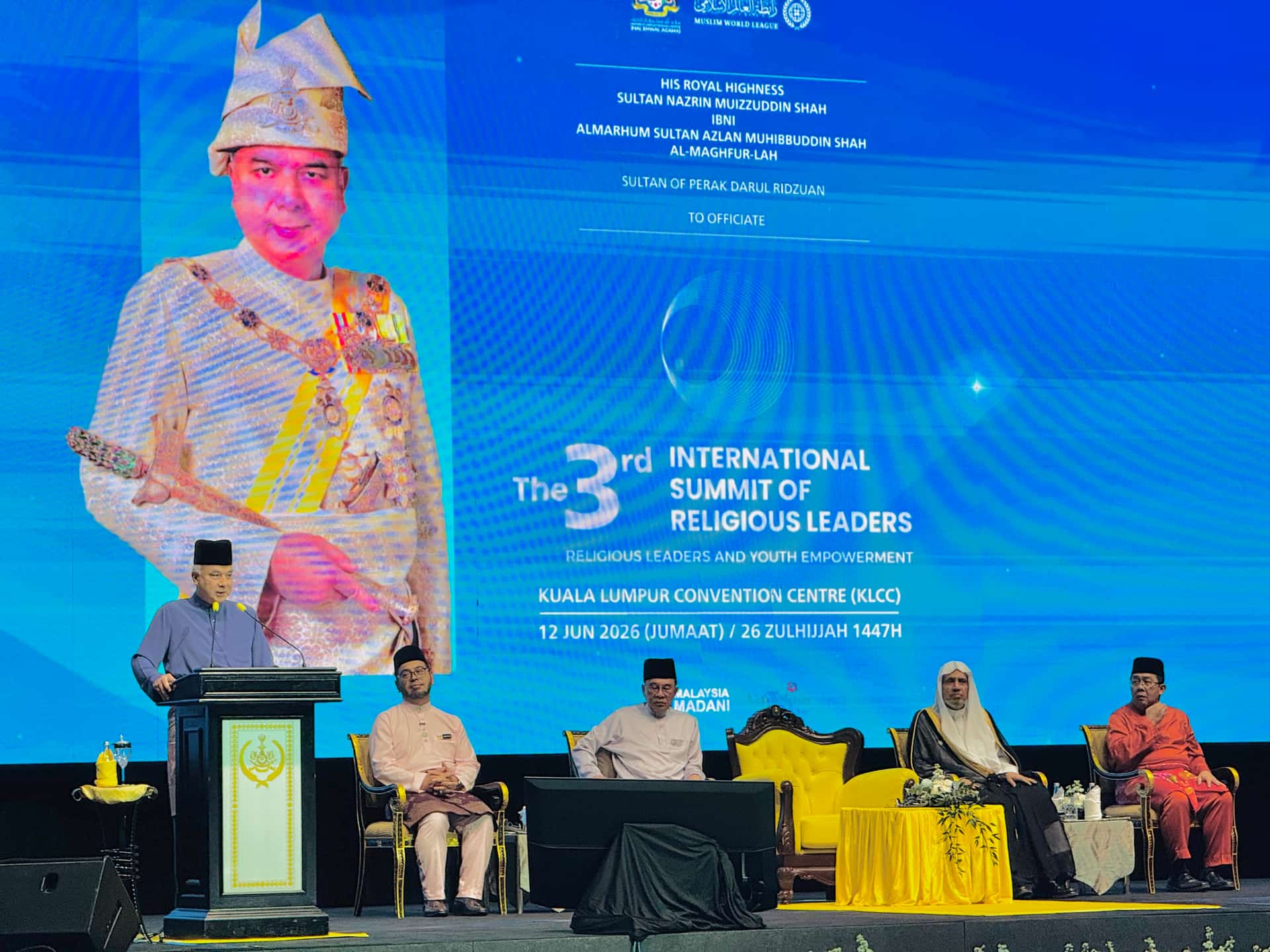
In Kuala Lumpur, peace felt less like a slogan and more like a burdened word. Sitting inside the hall that hosted the Third International Summit of Religious Leaders, I watched faces arriving from different faiths, cultures and countries, and thought of a painful paradox: the world speaks endlessly of ceasefires, yet fire itself often seems louder than communiqués. At that moment, the summit was not merely an interfaith gathering. It was an attempt to confront a deeper question: can moral language reclaim its place in a world where politics is steadily losing its humanity?
The summit was held on 12 June 2026, bringing together around 1,500 religious leaders, scholars, academics, policymakers and community figures from 31 countries. It was organised by Malaysia’s Department of Islamic Development (JAKIM), in cooperation with the Muslim World League. Its final statement called for the consolidation of ceasefires in conflict zones, particularly in light of recent developments in the Middle East, and urged an end to the arms race and the dangers posed by weapons of mass destruction. It also stressed the protection of civilians in Gaza and the pursuit of a sustainable peace rooted in trust, mutual respect and good neighbourliness.
Yet what first gave the summit its meaning was not the language of the statement, but the scene itself. The hall was filled with followers of different religions and traditions: Muslim scholars in turbans, robes or formal suits; Buddhist monks in their calm monastic garments; Hindu figures in traditional attire and cultural symbols; representatives of Taoism and Chinese religious traditions; as well as Christians, Sikhs, academics and civil society figures. These clothes were not merely colours in an international conference hall. They were signs that coexistence does not live only in grand texts, but in small details: in how people sit together, listen to one another, and allow others to bring their memories and symbols into the same space without turning difference into a threat.
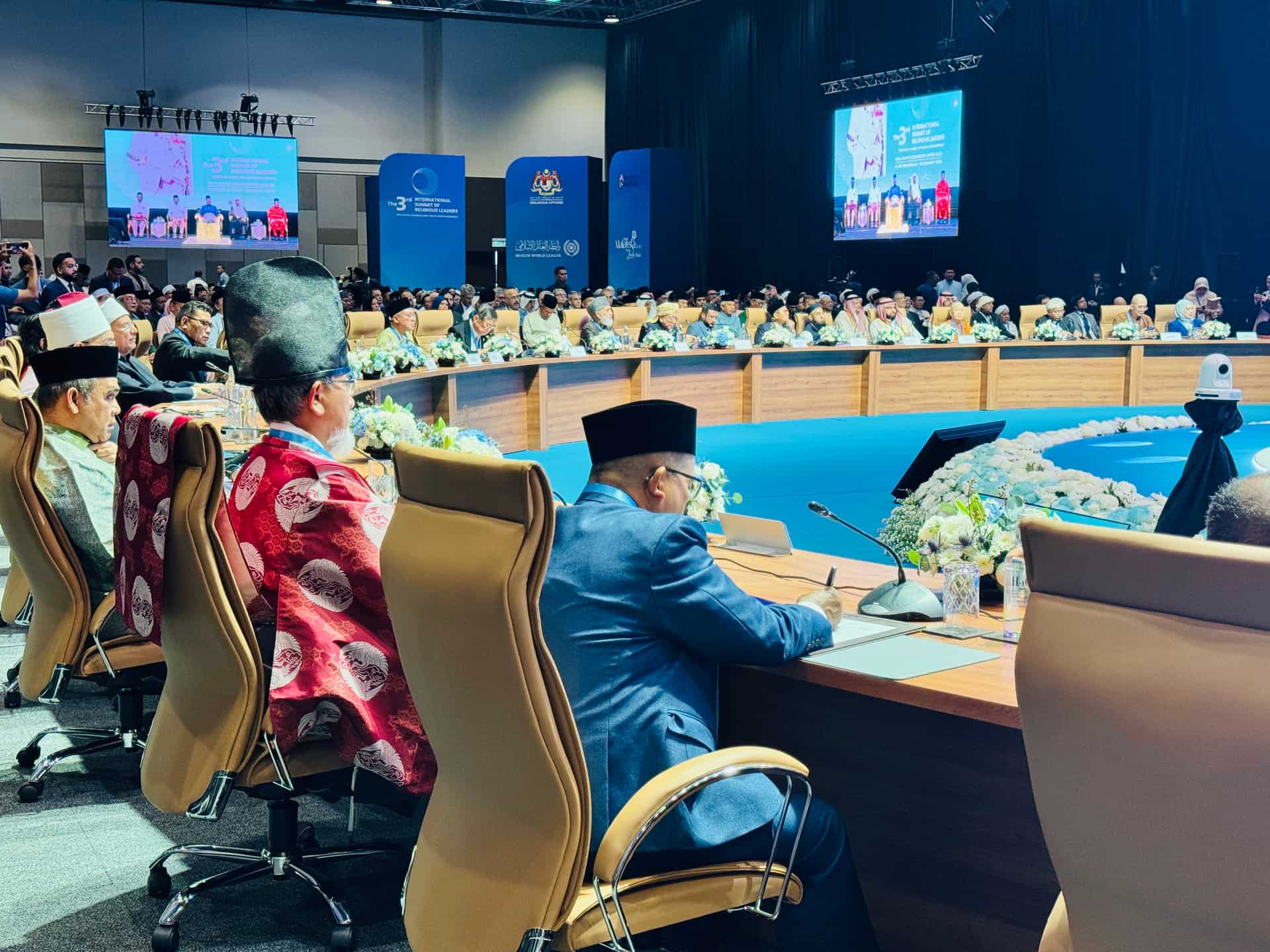
From within that diversity, the ideas being discussed seemed to follow one thread: how can religion remain a source of mercy rather than become fuel for polarisation? Buddhist voices spoke of dialogue and the preservation of peace. Hindu, Taoist and other participants emphasised shared values and mutual respect. Muslim speakers focused on moderation, human dignity and the renewal of religious discourse. Each came from a distinct tradition, but the common meaning was clear: a safe society cannot be built if faith becomes a wall, and young people cannot be empowered if religion remains distant from their daily questions and fears about the future.
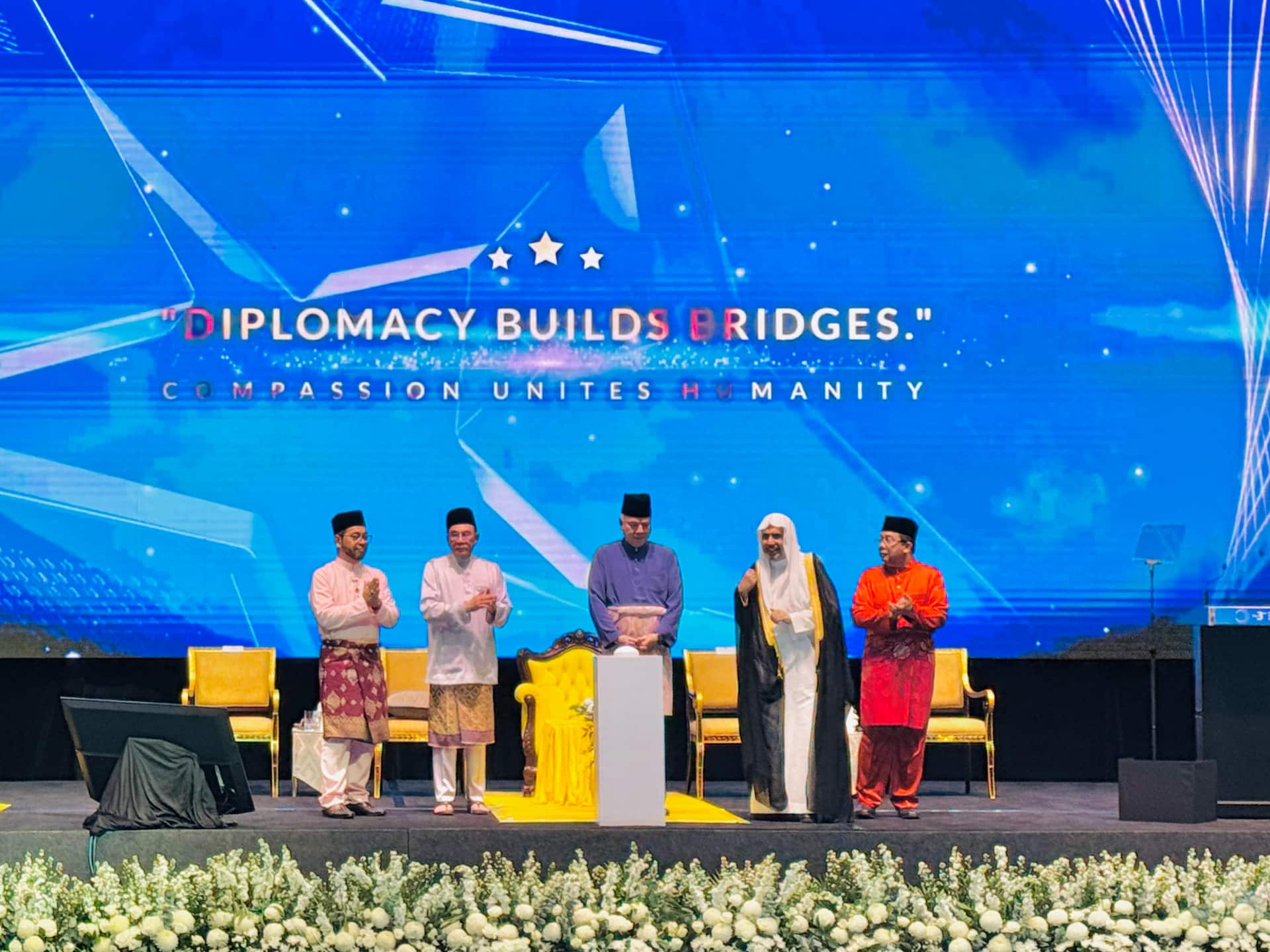
What struck me most was that the Middle East did not enter the summit as a distant headline, but as an open wound placed before the room. When Malaysian Prime Minister Anwar Ibrahim spoke of ceasefires announced only to be broken before the ink had dried, he was naming a failure that no longer belongs to diplomacy alone, but to the moral collapse surrounding it. Against the backdrop of Iranian-US negotiations and widening regional tensions, talks conducted under the shadow of bombardment risk becoming theatre rather than a path to peace. Law, when it fails to protect the vulnerable, becomes a text emptied of spirit. Anwar’s call for a stronger role for religious leaders was therefore not an invitation to replace politics, but to restore a moral pressure that politics too often abandons.
The summit, however, did not stop at wars. It moved the discussion toward young people, a generation that pays the price of violence twice: once when it watches destruction unfold on screens, and again when algorithms feed it anger, fear and hatred. Sultan Nazrin Muizzuddin Shah, the Sultan of Perak, spoke clearly about youth living amid conflict, displacement, economic insecurity, digital polarisation and declining trust in institutions. These were not general remarks. They described a new world in which religious platforms compete with algorithms, and AI-generated misinformation becomes a soft weapon that targets anxiety, emptiness and the search for meaning.
Across the summit’s four sessions, the practical question became how religion could move from a closed identity to a shared space. The first session focused on coexistence, mutual respect and confronting hate speech. The second examined education, religious engagement and leadership. The third addressed the intellectual, social and economic challenges facing youth, as well as digital transformation. The fourth explored the role of religious leaders in youth development and empowerment. Through contributions from speakers from Australia, India, Japan, Malaysia, Egypt, the Maldives, Indonesia and New Zealand, one shared idea emerged: it is not enough to call young people toward moderation; they must be given the tools of thought, dignity and participation.
The remarks of the Secretary-General of the Muslim World League, Sheikh Dr Mohammed Al-Issa, brought the summit back to its core: peace does not begin after war, but before it. In practical terms, that idea reveals the value of religious diplomacy when it moves from preaching to prevention, approaching the roots of fear, misunderstanding and incitement before they harden into conflict. His call to turn religious platforms into bridges of awareness, compassion and mercy placed a heavy responsibility on religious institutions: to leave their comfort zones and speak to young people where they are, not where those institutions wish them to be.
Malaysia, by virtue of its multiracial and multireligious composition, was not a neutral venue for such a summit. It understands that coexistence is not an intellectual luxury, but a condition of stability. In Kuala Lumpur, one can see mosques, temples, churches and commercial districts sharing the same urban space. But that attractive image does not mean diversity manages itself. The hosting of the summit therefore appeared to be part of the image Malaysia seeks to project: a Muslim-majority, plural society trying to manage difference through institutions rather than slogans. The real challenge, however, lies not in successful organisation or polished statements, but in turning initiatives into measurable programmes in universities, digital platforms and religious institutions.
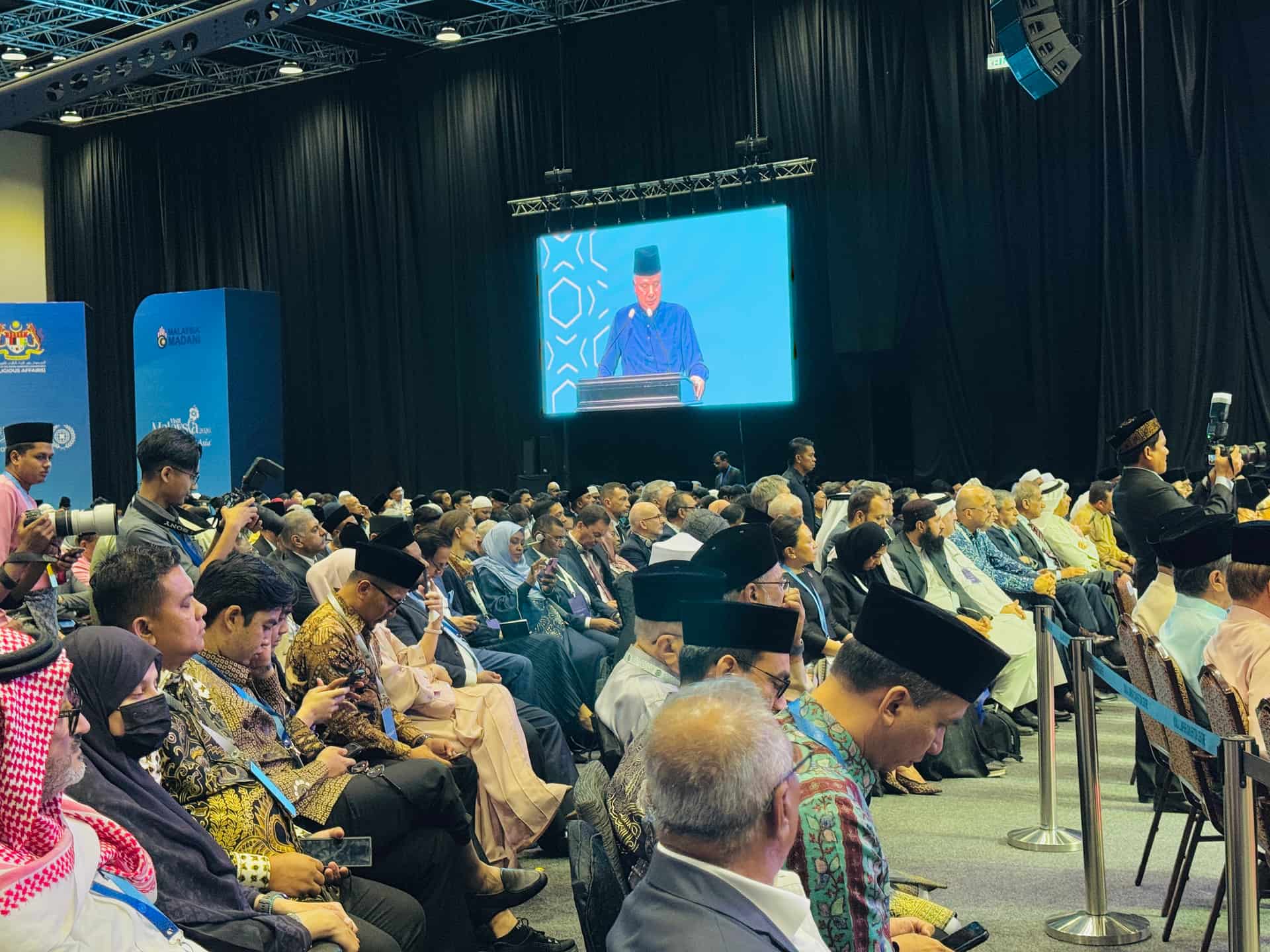
At the end of the summit, what stayed with me was the image of the young people who took part in the youth leaders’ meeting, seated not far from religious figures dressed in different garments and carrying different symbols. The whole scene seemed to remind everyone that the future is not merely a topic for discussion; it is a participant in the room. The summit felt like a mirror: it reflected the fragility of a world that speaks often of peace, but it also suggested that repairing language may be the beginning of repairing politics. Peace is not born from statements alone. It begins when human beings are able to see the other not as a rival in existence, but as a partner in dignity.
Abdullah Bugis (kualalumpur.abdullah@gmail.com) is a content creator under the Newswav Creator programme, where you get to express yourself, be a citizen journalist, and at the same time monetize your content & reach millions of users on Newswav. Log in to creator.newswav.com and become a Newswav Creator now!
The User Content (as defined on Newswav Terms of Use) above including the views expressed and media (pictures, videos, citations etc) were submitted & posted by the author. Newswav is solely an aggregation platform that hosts the User Content. If you have any questions about the content, copyright or other issues of the work, please contact creator@newswav.com.