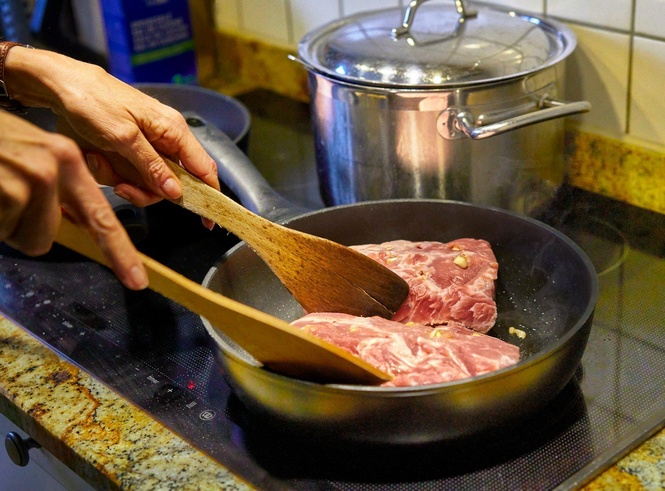
The findings may offer a new possible explanation for the long-standing link between regular red-meat consumption and diabetes.
The compound, N-glycolylneuraminic acid, known as Neu5Gc, a type of sugar occurs naturally in most mammals. Beef and lamb are among the richest dietary sources. Smaller amounts can also be found in some dairy products.
“People with the highest estimated intake of Neu5Gc from meat had a 63% higher relative risk of developing type 2 diabetes than those with the lowest intake”
Humans do not produce Neu5Gc themselves, which makes it unusual in the human diet and potentially important for immune health.
Researchers reported that people with the highest estimated intake of Neu5Gc from meat had a 63% higher relative risk of developing type 2 diabetes than those with the lowest intake.
The results need careful interpretation. The preliminary findings presented at the Annual Meeting of the European Association for the Study of Diabetes (EASD) in Milan, Italy. The was presented in study was observational, so it cannot show that Neu5Gc causes diabetes. It has not yet been peer reviewed.
A 63% higher relative risk also does not mean that 63% of people with high Neu5Gc intake will develop diabetes. Type 2 diabetes remained relatively uncommon during the follow-up period, meaning the difference in absolute risk for an individual was smaller.
Even so, the research is notable.
It focuses on a specific component of red meat rather than treating red meat as one uniform exposure. Scientists are increasingly examining how individual food compounds may affect inflammation, metabolism and long-term disease risk.
Neu5Gc belongs to a family of sugars called sialic acids, which sit on the surfaces of cells. Most mammals can produce Neu5Gc naturally. Humans cannot. When Neu5Gc is consumed in food, small amounts may be absorbed into body tissues.
The human immune system can recognise it as foreign. Scientists have suggested that repeated exposure could trigger a low-level immune response and long-term inflammation, sometimes described as xenosialitis.
Chronic inflammation has been associated with insulin resistance, a key feature of type 2 diabetes. It may also affect the insulin-producing beta cells in the pancreas.
That proposed mechanism remains unproven. The new study did not measure anti-Neu5Gc antibodies in participants, so it could not directly test whether an immune reaction explained the increased diabetes risk. Researchers say this should be a priority for future work.
The study analysed data from 89,953 adults in the French NutriNet-Santé cohort, a large prospective study examining links between diet, lifestyle and health. Participants were about 42 years old on average. Nearly four in five were female. None had type 2 diabetes or cancer when they joined the study.
Diet was assessed through three 24-hour dietary records. Researchers estimated each participant’s Neu5Gc intake by comparing reported food intake with a database measuring the sugar’s concentration in different foods.
Participants were divided into five groups according to their estimated intake of meat-derived Neu5Gc. Over a median follow-up of 7.2 years, 966 participants developed type 2 diabetes.
Compared with those in the lowest intake group, people in the second-highest group had a 41% higher relative risk of diabetes. Those in the highest group had a 63% higher relative risk. The pattern was observed in both men and women.
The association remained statistically significant after the research team accounted for several important factors. These included age, sex, physical activity, smoking, body size, overall dietary quality and existing health conditions.
However, the finding became weaker and was no longer statistically significant after the researchers adjusted for total red-meat intake. This is a crucial limitation.
Red meat is a complex food. It contains protein, fats, haem iron and other substances that could influence metabolic health. Processed meats may contain high levels of salt, preservatives and compounds formed during smoking or cooking. It is therefore difficult to separate the possible effect of Neu5Gc from the effects of red meat as a whole.
The study cannot establish that Neu5Gc is the direct driver of diabetes risk. It may explain part of the connection. It may also simply reflect greater red-meat consumption.
Previous studies have repeatedly associated higher consumption of red and processed meat with greater type 2 diabetes risk. Much of that evidence is observational, however. Dietary studies face an inherent challenge: people who eat more red meat may differ in many other ways from people who eat less. They may have different exercise habits, body weights, income levels, food choices, cooking methods or healthcare access.
Researchers can adjust for many of these factors, but no observational study can eliminate every possible source of bias or confounding.
The latest findings add biological interest to the broader debate. If Neu5Gc does contribute to chronic inflammation, it could help explain why the relationship between red meat and diabetes persists even after researchers account for body weight. In this study, obesity appeared to explain only about 13% of the association between meat-derived Neu5Gc and type 2 diabetes.
That does not prove inflammation is responsible. It does suggest that weight gain may not be the whole story.
The researchers also examined Neu5Gc from dairy products. They found no statistically significant association between dairy-derived Neu5Gc and type 2 diabetes. This may reflect lower concentrations of the sugar in dairy foods, different portion sizes or broader differences in how dairy and meat fit into people’s diets.
When all dietary sources of Neu5Gc were combined, people in the highest exposure group had a 37% higher relative risk of diabetes than those in the lowest group. According to the analysis, that pattern was largely driven by Neu5Gc from meat.
People with the highest estimated intake of meat-derived Neu5Gc generally ate more red meat. Among men, median red-meat consumption rose from 5 grams per day in the lowest Neu5Gc group to 97 grams per day in the highest. Among women, it ranged from no red meat to 73 grams daily.
These figures should not be viewed as safety limits. They simply describe what people in the study ate. The research does not show that eating a particular amount of beef or lamb will cause diabetes, nor does it identify a guaranteed safe threshold.
The study has other limitations. Dietary intake was estimated at the start of the study, rather than continuously measured throughout more than seven years of follow-up. Participants’ diets may have changed. Food records can also be inaccurate, particularly when people forget ingredients, underestimate portion sizes or alter what they report.
Neu5Gc levels in food may vary depending on the animal source, cut of meat, processing and preparation. This creates uncertainty in estimating each participant’s true exposure.
The study population was also not fully representative of the wider public. Most participants were women, and people who volunteer for nutrition studies may be more health-conscious than average. More research is needed in different countries and across more diverse populations.
For now, the study should not prompt alarm over one meal or a single food. It does reinforce the value of an overall dietary pattern that limits red and processed meats and includes a wider range of protein sources.
Pulses, lentils, beans, nuts, seeds, fish, poultry, eggs and minimally processed plant-based proteins can all help replace some red-meat meals. Wholegrains, vegetables, fruit and other fibre-rich foods are also important for blood-sugar regulation and long-term metabolic health.
People with pre-diabetes, type 2 diabetes, obesity, high blood pressure or a family history of diabetes may benefit from individual dietary guidance from a GP or registered dietitian.
Nutrition is only one part of prevention. Regular physical activity, adequate sleep, avoiding smoking and maintaining a healthy weight also play major roles.
Scientists now need to test the Neu5Gc theory more directly. Future research could measure anti-Neu5Gc antibodies in the blood, assess inflammatory markers and investigate how the sugar interacts with haem iron and other components of red meat.
Studies could also examine whether replacing beef and lamb with poultry, fish or plant proteins changes diabetes-related risk markers over time. Such studies would provide stronger evidence than observational data alone.
Until then, Neu5Gc should be viewed as an intriguing clue, not a confirmed cause of diabetes. The study suggests that high intake of a sugar concentrated in red meat is associated with greater type 2 diabetes risk. It does not prove that the sugar is responsible.
The wider public-health message remains familiar and well supported. Eat red meat in moderation, limit processed meat, prioritise plant foods and choose a varied diet built around minimally processed ingredients.
The new research may eventually help explain why that advice matters.
The post Researchers Found Surprising Type of Sugar Mainly in Red Meat Linked to Higher Risk of Diabetes first appeared on PP Health Malaysia (PPHM) | 10POINTS Evidence-Based Health News.