
Table of Contents
Polong’s strong cinematography, intriguing supernatural premise overshadowed by excessive jump scares, weak final act
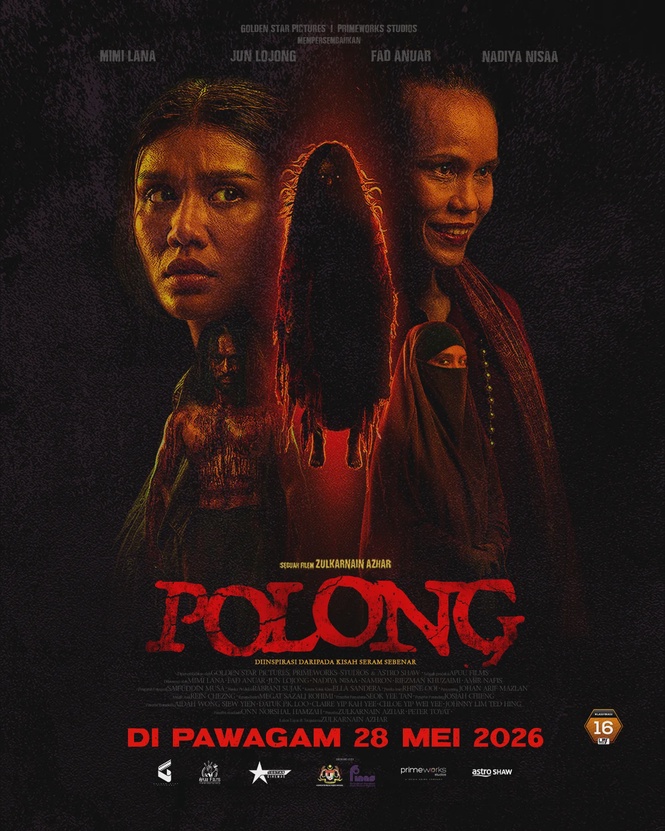
Malaysian horror films often succeed when they lean into atmosphere, folklore and psychological unease rather than relying purely on shock value. Polong clearly wants to position itself within that category, offering audiences a darker, more polished supernatural thriller rooted in local black magic and possession lore.
And to its credit, the film does get several things right.
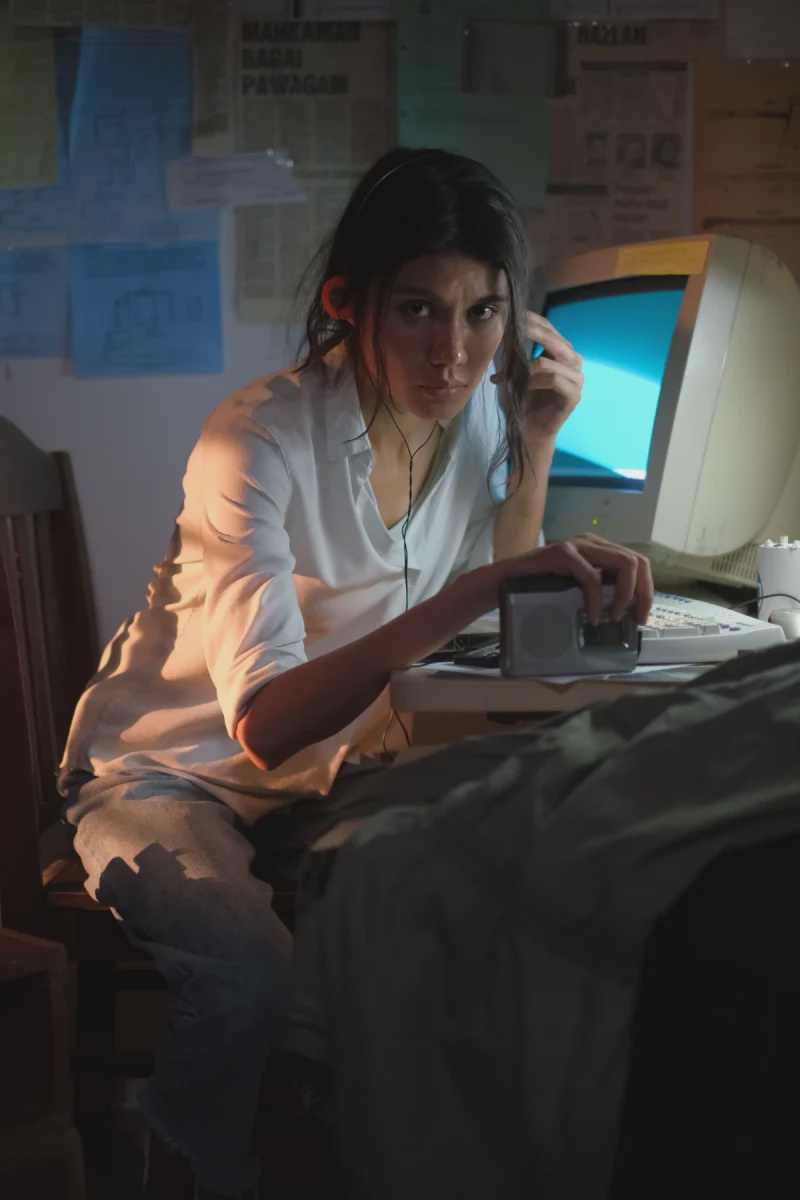
Visually, Polong is one of the stronger-looking local horror entries in recent years. The cinematography feels deliberate and cinematic, with dimly lit interiors, moody colour palettes and unsettling framing helping to create a constant sense of dread. There is an obvious improvement in technical quality compared with many horror films in the genre locally and the production deserves praise for that effort.
Unfortunately, style alone is not enough to carry a horror film.
Too many jump scares, too little tension

One of the biggest issues with Polong is its overreliance on loud, cheap jump scares. Rather than allowing tension to naturally build through storytelling, atmosphere and character development, the film repeatedly falls back on sudden audio stings and predictable scare setups. After a while, the pattern becomes easy to anticipate, which weakens the horror rather than enhancing it.
That is disappointing because the movie actually contains the ingredients for something genuinely unsettling.
The mythology surrounding the polong spirit already carries enough psychological horror on its own. There are moments where the film hints at a more disturbing and emotionally layered story beneath the surface but those moments are often interrupted by another forced scare sequence.
As a result, the narrative flow begins to feel uneven.
Promising premise that loses momentum
What makes Polong interesting initially is its decision to shift focus away from the infamous Mona Fandey-inspired figure and instead centre more heavily on the supernatural entity itself.
The film’s version of Mona, renamed Maria Hadi, still carries an eerie presence but the story chooses to explore the consequences of owning and controlling the spirit rather than simply retelling the mythology surrounding the woman behind it.
That different angle works in the film’s favour early on. It gives Polong its own identity rather than feeling like a straightforward dramatisation of a familiar Malaysian true crime figure. However, the movie struggles to maintain that momentum after its climax.
Once the story reaches its peak, the final act begins to unravel surprisingly quickly. Emotional stakes lose impact, the pacing becomes rushed and the ending falls into familiar horror cliches that feel less imaginative than the buildup leading to it.
Ending that feels disappointingly safe
For horror fans especially, the conclusion may prove frustrating.
Without diving too deeply into spoiler territory, the film ultimately resorts to a heavily conventional resolution centred around religious intervention – a trope frequently seen in regional supernatural horror.
While there is nothing inherently wrong with religious themes in horror storytelling, Polong handles it in a way that feels predictable rather than emotionally or narratively satisfying.
After building an atmosphere filled with ambiguity, spiritual corruption and psychological fear, the ending simplifies everything too neatly – losing what could have been an ending that stays with the audiences after the curtains close. In a way, it feels like the film loses confidence in its own darker ideas.
That is perhaps the biggest shame of all because Polong spends much of its runtime hinting at something far more daring and psychologically haunting.
Strong performances trapped in uneven script
The performances help keep the film afloat even when the writing falters.
June Lojong brings gravitas and screen presence to Maria Hadi, proving why she remains one of the film’s standout performers. Even though the narrative does not focus entirely on her character, she commands attention whenever she appears onscreen.
Several cast members, such as Mimi Lana and Fad Anuar, also do their best to ground the supernatural chaos emotionally but the script rarely gives them enough depth to fully explore their characters beyond the horror mechanics.
Verdict
Polong is ultimately a frustrating mix of strong ideas and inconsistent execution.
There is clear ambition behind the film. Its cinematography is impressive, the folklore elements are compelling and the premise offers an interesting twist on familiar Malaysian horror territory. Yet the over dependence on cheap jump scares, uneven pacing and cliche ending prevent it from becoming the memorable horror experience it could have been.
For casual viewers, the scares and atmosphere may still provide enough entertainment. But for longtime horror fans, who are hoping for something more psychologically layered and narratively satisfying, Polong may feel like a missed opportunity. In other words, the film looks hauntingly good on the surface but beneath the stylish visuals lies a horror film that never fully trusts its own story.
READ MORE:
Passenger movie review: Road trip through horror cliches
Six Hot New Movies & Series to Stream This June 2026
Kanye West draws crowd in Netherlands despite antisemitic tirades