
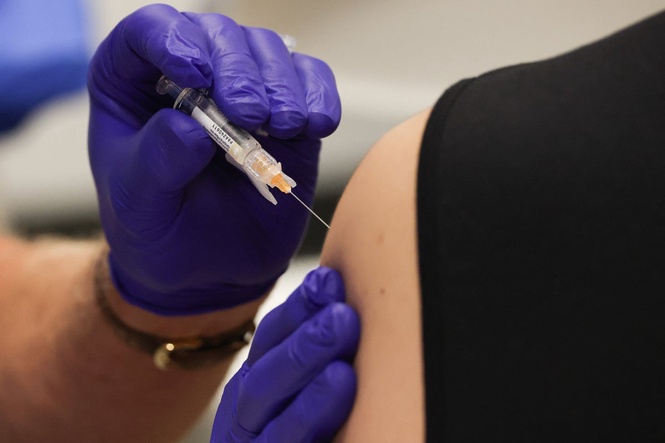
A study hailing the efficacy of the Covid-19 vaccine that previously had its publication in the Centers for Disease Control and Prevention’s flagship journal delayed has now been shelved altogether, according to a report.
The Washington Post reports that the study in question was due to appear in the March 19 edition of the Morbidity and Mortality Weekly Report and shows that the coronavirus shot played an important role in reducing emergency department visits at hospitals last winter.
It is understood that healthy adults who received the vaccine between September and December 2025 cut their risk of urgent care and emergency room visits by 50 percent and their risk of Covid-related hospitalizations by 55 percent, compared to adults who did not receive a dose.
However, the study missed its original publication date last month after Jay Bhattacharya – who is overseeing the CDC until President Donald Trump’s nominee, Dr. Erica Schwartz, is confirmed by the Senate – blocked it, raising concerns about the methodology, despite it having passed the agency’s scientific review process.
A Department of Health and Human Services spokesperson told The Independent earlier this month that it was “routine for CDC leadership to review and flag concerns” prior to publication of such reports and that Bhattacharya had raised his issues, which were at that point being addressed, “to make sure that the paper uses the most appropriate methodology for such a study.”
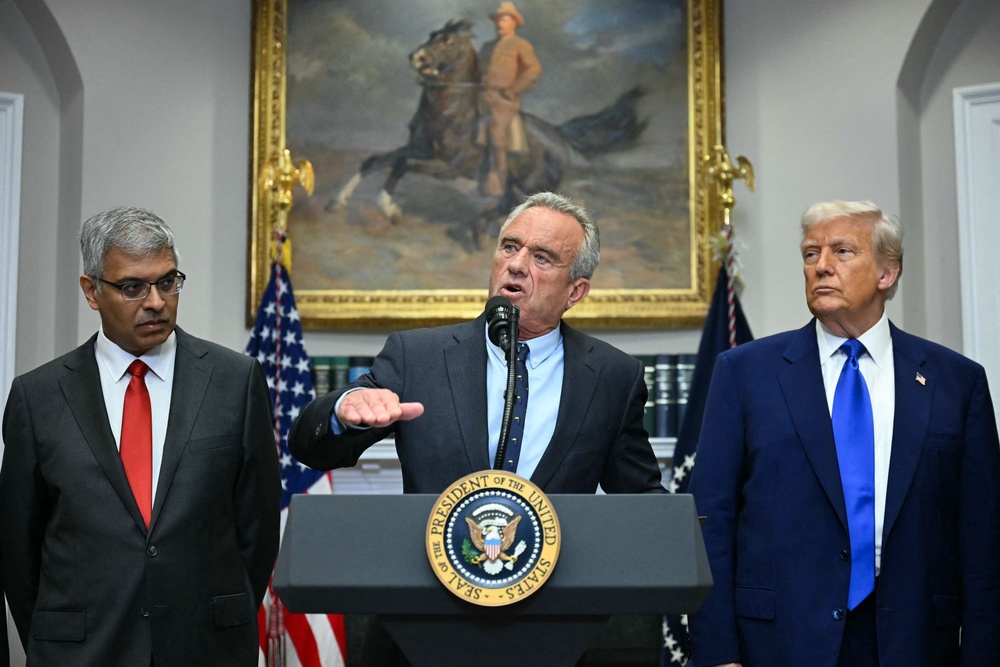
The Post now cites sources saying it will not be published at all, raising fears that it is being suppressed at the behest of Health Secretary Robert F. Kennedy Jr., a well-known vaccine skeptic who once called the Covid jab the “deadliest vaccine ever made.”
HHS spokesman Andrew Nixon told the Post: “The MMWR’s editorial assessment identified concerns regarding the methodological approach to estimating vaccine effectiveness and the manuscript was not accepted for publication.”
The Independent has reached out to HHS for further comment in light of the new development.
Reports using the same methodology have been published before in the MMWR without controversy, including a recent one on the efficacy of the flu shot and another in December on the Covid vaccine’s effectiveness in children.
Other prestigious medical journals have also regularly published vaccine studies based on the same approach, likewise without incident, including The New England Journal of Medicine, JAMA Network Open, The Lancet, and Pediatrics.
“I cannot recall CDC stopping an MMWR report in the publication phase after scientific clearance and editorial review,” Michael Iademarco, director of the CDC center with oversight of the MMWR from 2014 to 2022, told the Post.
“On rare occasions, we shifted the timing slightly to better align communications plans with competing or reinforcing pieces.”
For his part, Kennedy has said he is not anti-vaccine but is merely seeking to give Americans greater transparency and choice regarding their physical health, hence the policy changes he has attempted to introduce regarding inoculations over the last year.

But the former environmental lawyer has also spoken out aggressively, telling lawmakers at a hearing last year on the development of Covid vaccine policy during the pandemic: “We were lied to about everything.”
Last year, the secretary directed the CDC to drop its Covid vaccine recommendation for children and healthy pregnant women, a move that drew criticism from public health experts.
And last month, Kennedy-appointed advisers considered ending recommendations for Covid mRNA vaccines but ultimately shelved the plan.
It had been assumed that the Trump administration would temper its skepticism towards vaccines to broaden its appeal to voters ahead of this November’s midterm elections.
But on Tuesday, Defense Secretary Pete Hegseth announced that U.S. service members will no longer be required to get a yearly flu shot under a new Defense Department policy to “restore freedom and strength to our joint force.”
Hegseth said the Pentagon was discarding “absurd, overreaching mandates that only weaken our war-fighting capabilities” in the latest administration broadside against the science.
Everything to know about new SNAP food stamps guidelines pushed by RFK Jr
The influencers pushing the ‘positive benefits’ of nicotine, like ZYN and VELO
mRNA vaccines could be critical to fight cancer. Their future is up in the air
Trump calls Ketanji Brown Jackson ‘low IQ’ in latest slur against person of color
Trump’s ‘National Garden of Heroes’ will not even see one statue by July 4
House Democrats launch investigation into Kash Patel and demand alcohol abuse test