As electric vehicle (EV) adoption surges globally, electric mobility faces a surprisingly low-tech security threat, which is EV charging cable theft and here is a possible solution from UK.
Across the United Kingdom, charge point operators (CPOs) and EV drivers face millions of pounds in damages as organized criminals target public fast-charging stations. With Malaysia rapidly expanding its own green vehicle charging network, industry experts warn that it is only a matter of time before this destructive trend hits Malaysian shores.
Millions in Damage for Scrap Copper
Over the past few years, the UK has seen a sharp increase in EV infrastructure crime. Thieves armed with bolt cutters and angle grinders hit public charging hubs under the cover of night, severing cables in under 90 seconds.
Why Are EV Charging Cables Targeted?
High-power Direct Current (DC) fast-charging cables contain thick, high-grade copper wiring. While stolen cables yield only £15 to £30 (RM90.00 to RM180.00) in scrap metal value, replacement costs for operators often run into thousands of pounds per EV charger.
Many EV charging hubs are located in isolated car parks, motorway service areas, or retail centers with minimal security and no permanent staff. Cutting unpowered or idle charging lines requires minimal technical skill, making them easy targets for opportunists and scrap metal syndicates.
“It’s not just about the scrap value or the thousands it costs to replace damaged units—it’s about the hit to public confidence in clean transport infrastructure.” — UK EV Infrastructure Forum
Why Malaysia Is Vulnerable to the Same Trend
Malaysia’s National Energy Transition Roadmap (NETR) has set ambitious targets for EV adoption, backed by thousands of public AC and DC chargers deployed by operators nationwide. However, key local conditions make the country susceptible to this global trend.
Network Expansion
As Malaysia ramps up public charging points across highway corridors and commercial centers, the number of exposed, high-voltage DC cables increases daily.
Scrap Metal Theft Syndicates
Malaysia has long battled scrap metal theft targeting TNB electrical sub-stations, telecommunication lines, and KTM railway cables. As traditional infrastructure becomes better secured, scrap syndicates naturally seek softer targets—making public EV chargers a primary target.
Remote Highway R&R and Shoplot Chargers
Many Malaysian DC fast-chargers operate 24/7 in open-air car parks, commercial shoplot areas, and highway Rest and Service areas (R&Rs). Late at night, low foot traffic and minimal CCTV coverage provide ideal conditions for swift theft.
Protecting Infrastructure: Solutions for Malaysia
To prevent cable theft from disrupting EV adoption, Malaysian Charge Point Operators (CPOs), venue owners, and drivers must adopt proactive security measures.
Proactive Security Measures for CPOs
Smart Alarm & Cut-Detection Technology: Modern chargers can feature real-time sheath detection systems that trigger loud localized sirens and notify security guards immediately if a cable is cut or tampered with.
Kevlar & Steel Armoured Sleeving: Shielding vulnerable cables with cut-resistant braided steel or Kevlar strands severely increases the time and effort required to slice through them.
AI-Powered CCTV Analytics: Integrating motion-tracking cameras capable of detecting bolt cutters or suspicious late-night loitering around charging bays enables early intervention.
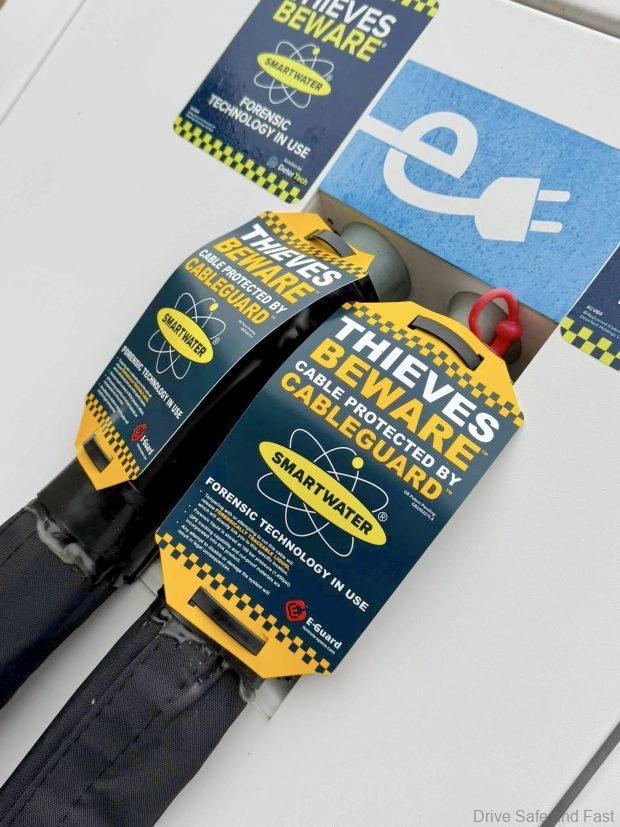
Forensic Cable Marking: Using indelible chemical dyes or micro-dot tracer liquids helps law enforcement trace stolen scrap copper back to specific charging stations.
The post Rising EV Cable Theft in the UK and Why Malaysia Is Next first appeared on DSF.my.