IN the past week, we experienced two kinds of rising pressure: interest rates and floodwaters.
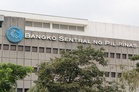
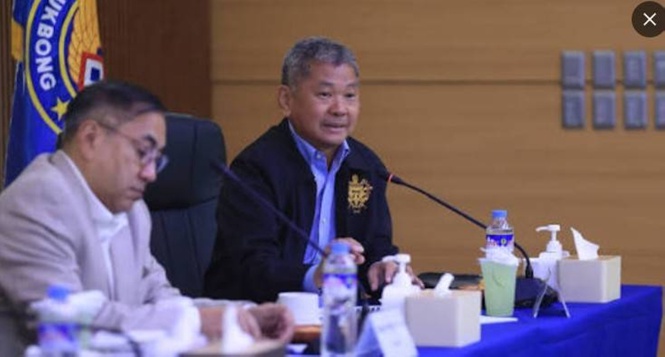
The Bangko Sentral ng Pilipinas (BSP) raised its benchmark overnight reverse repurchase rate to 5 percent for the third straight meeting, taking preemptive action against inflation risks associated with a severe El Niño event.
At the same time, extreme southwest monsoon rains (habagat) have caused widespread flooding, with the impact aggravated by failed flood control projects.
Ateneo scientists explained that the heavy rains are being pulled into the country by a combination of atmospheric conditions. The severe rainfall followed a multi-day buildup of winds over the Indian Ocean, creating what scientists describe as a “moisture conveyor belt” that pumps continuous bands of water vapor toward the Philippines.
The severe El Niño, characterized by warmer temperatures, also allows the atmosphere to hold more water vapor, increasing the capacity of the habagat to produce destructive rainfall.
What do rising interest rates and floodwaters mean for us?
When interest rates rise, borrowing becomes more expensive, slowing consumption and investment. This helps curb inflation and, if successful, protects our purchasing power.
But monetary tightening comes at a cost. Consumers with housing, auto and personal loans — particularly those with variable rates — face higher debt-servicing expenses. Companies and manufacturers must pay more to finance working capital, inventories, equipment, and capital investments.
Higher borrowing costs could weaken investor sentiment and further slow economic growth.
The Asean+3 Macroeconomic Research Office (AMRO) projects Philippine economic growth to slow to 3.4 percent this year. The economy grew by only 2.6 percent in the first half. AMRO has also warned that severe weather could hurt agricultural output, reduce rice production, and push food prices higher, deepening the slowdown.
The damage is already substantial. Flooding and severe weather have caused P2.32 billion in agricultural losses and P6.16 billion in infrastructure damage, while more than 30 people have died, according to government figures.
We must make up for lost agricultural production if we are to keep inflation under control.
The BSP has revised its 2026 inflation forecast to 6.1 percent from 6.4 percent during its June 18 policy meeting. It also raised its 2027 forecast to 5.4 percent from 4.5 percent.
Achieving these forecasts depends heavily on the supply side of the economy, particularly the availability and cost of food.
The Philippines had already imported 3.46 million metric tons (MT) of rice as of mid-August, exceeding the 3.39 million MT for the whole of 2025, according to the Bureau of Plant Industry. Rice imports this year are projected to reach as much as 5.6 million MT.
Weaker peso
The weaker peso makes imports even more expensive. The peso-dollar exchange rate averaged P57.49 last year and has hovered at around P61 this year, raising the peso cost of imported rice by at least 6 percent.
This adds further pressure to inflation.
The Department of Agriculture (DA) has said it will not ban rice imports as it seeks to ensure adequate supply for the rest of the year. Given the damage to domestic agriculture, the government has little choice in the short term but to continue importing.
But this highlights a much larger problem. The Philippines is heavily dependent on imported food, with the country’s food import burden reaching an estimated P2 trillion to P2.2 trillion, equivalent to about 31 percent of the national food economy.
This dependence is not sustainable.
We need to strengthen Philippine agriculture despite rising interest rates and floodwaters. Imports may fill immediate supply gaps, but they cannot substitute for a productive and resilient domestic agricultural sector.
We may have little control over extreme weather or geopolitical developments that contribute to inflation and higher interest rates. But we can control how well we prepare for them.
This means investing in agriculture, improving water and flood management, protecting farms from climate risks, and addressing infrastructure failures that worsen flooding.
The rising interest rates and floodwaters are warnings of the same underlying vulnerability: when domestic production and infrastructure are weak, external shocks become more costly.
We must decide whether to continue managing these crises as they come — or finally invest in the resilience needed to withstand them.
Ronald Goseco is a director at the Financial Executives Institute of the Philippines.