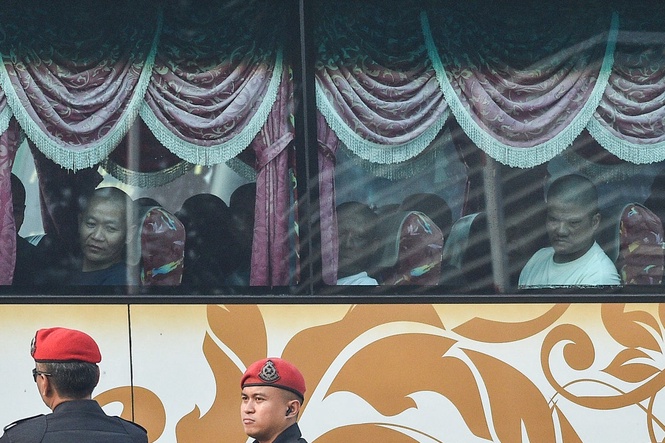
Rohingya refugees who fled persecution in war-torn Myanmar reacted with alarm on Tuesday as Malaysia began a process to ship hundreds of them back into the hands of the military junta.
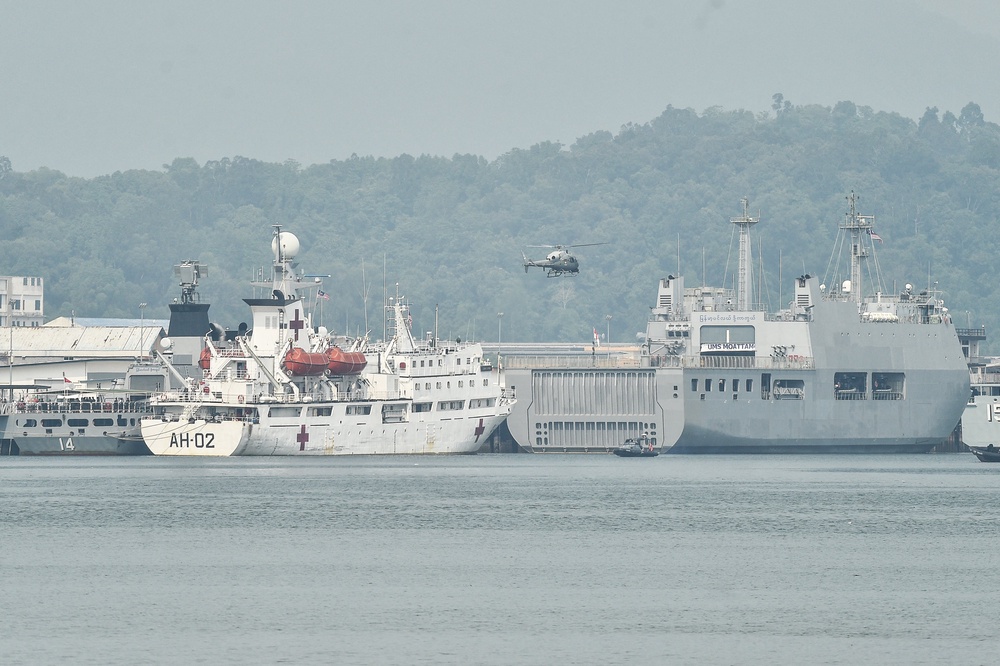
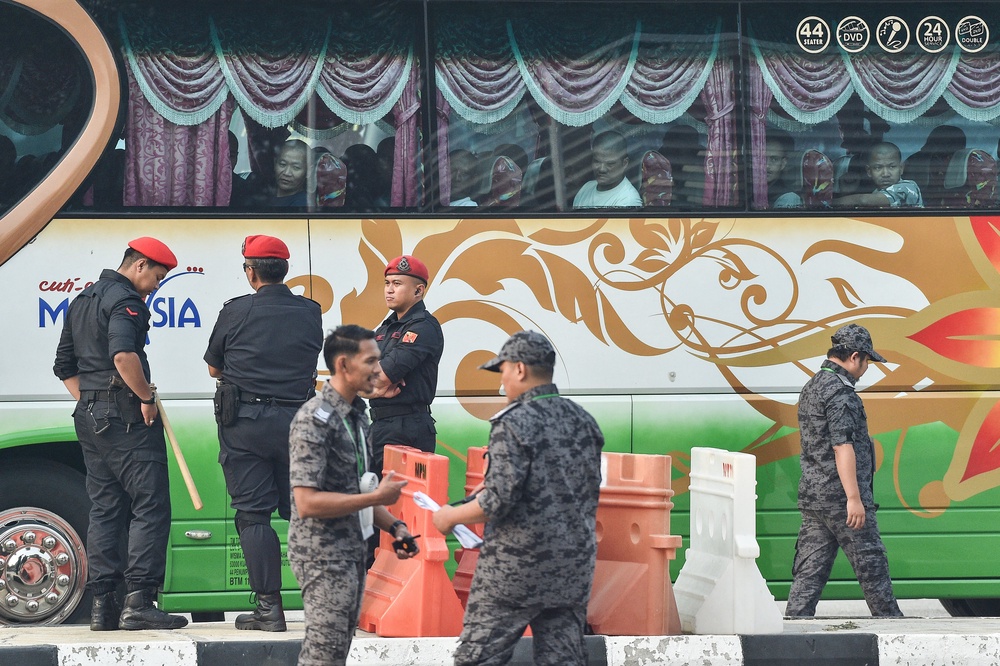
The Malaysian government started the process to deport nearly 1,500 refugees as part of a widely condemned repatriation programme agreed with Myanmar that could see as many as 5,000 people returned. The first group are due to leave on two Myanmarese warships and a hospital ship, which are already docked at the Lumut naval base in Perak state.
Rohingya groups, activists and the UN are demanding Malaysia halt the plan, warning of a bleak future for refugees being returned to a country torn by a raging civil war.
“It’ll be a death sentence,” Pacifist Farooq, a Rohingya activist living in Malaysia, tells The Independent. “Even if the military junta accepts them, they will be sending these Rohingya refugees back to the front line or to jail.”
The Anwar Ibrahim government said earlier that it had reached a deal with Myanmar for what it called the voluntary repatriation of some 5,000 refugees. In return for accepting them, Kuala Lumpur could give a red-carpet welcome to Myanmar’s dictator-turned-president Min Aung Hlaing.
Anwar said last week he planned to invite Min Aung Hlaing for a visit in a bid to expedite the repatriation of tens of thousands of Rohingya who had come to find sanctuary in Malaysia over the past decade.
The Rohingya are a predominantly Muslim ethnic minority from the western state of Rakhine. They are denied citizenship in Myanmar, making them one of the world’s largest stateless populations.
The UN has described the Rohingya as “the most persecuted minority in the world”.
In 2017, they fled a military crackdown that killed nearly 10,000 of them and left their villages burned to the ground, according to a UN fact-finding mission.
While the majority of them ended up in the world’s largest refugee camps in neighbouring Bangladesh, thousands also escaped to Malaysia, Indonesia, India, and the Gulf region. According to the UN Human Rights Council, Malaysia hosts some 193,000 refugees from Myanmar and about two-thirds are Rohingya.
Activists argue that the deportation of the Rohingya from Malaysia is largely coercive, not voluntary as the government claims, pointing to their harsh living conditions and rising hate speech against them.
Mahi Ramakrishnan, founder of the human rights group Beyond Borders Malaysia, says the refugees facing deportation include people involved with political groups opposed to military rule in Myanmar such as the National Unity Government and the People’s Defence Force.
“It’s not repatriation and it’s definitely not voluntary. It’s actually deportation of Myanmar nationals to a country they fled,” she tells The Independent.
“The situation that they fled has not been wiped out. We still see lots of violence; the conflict is still very active. We see and hear stories of persecution against the minority – not just the Rohingya, but others as well.”
Since the plan was announced, more than 160 civil society groups have written to Anwar urging him to stop the deportation.
“Malaysia’s engagement with the junta must not come at the expense of its reputation and integrity,” they said in a statement. “Cosying up to genocidaires while criminalising their survivors is not only illogical, but also immoral.
“Refoulement of the Rohingya by Malaysia or any Asean member state will make them complicit in the ongoing genocide of the Rohingya.”
The UNHRC warned that existing conditions did “not support the safe and sustainable return of refugees from Myanmar”, adding that it wasn’t involved in identifying the people being deported.
Myanmar has been engulfed in a civil war since the military, then led by General Min Aung Hlaing, seized power from the elected government of Aung San Suu Kyi in February 2021.
The coup triggered nationwide protests and prompted the formation of armed resistance groups, inviting a brutal military crackdown.
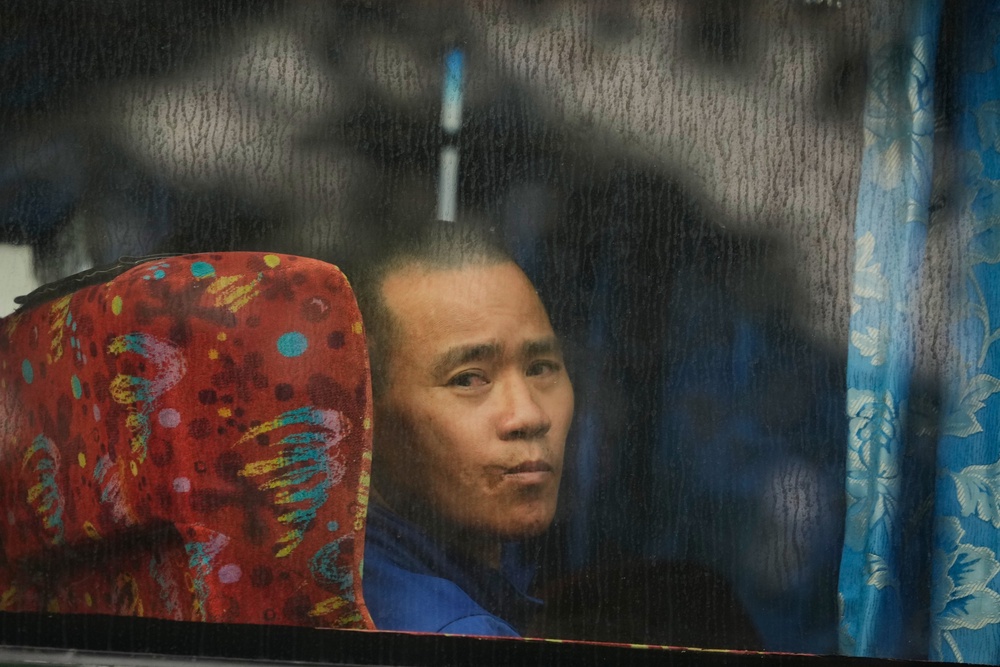
In such a situation, activists say, the deportees may be subjected to forced conscription by the military or armed groups fighting it, such as the Arakan Rohingya Salvation Army and the Arakan Army.
The military is accused of forcibly recruiting more than 3,000 Rohingya from their villages and displacement camps since 2024.
The government says the first group of 1,476 Rohingya are returning voluntarily, but the situation of refugees and asylum seekers in Malaysia makes the claim hard to accept, Ramakrishnan argues.
“Malaysia is a very difficult country for any asylum seeker or refugee because we do not give them any rights,” she says. “They have no legal right to work. They can’t send their children to school and there is no affordable healthcare. So even if someone says they volunteered to go, the fact is that it is coercive governance. And we also know that many on the list do not want to go back.”
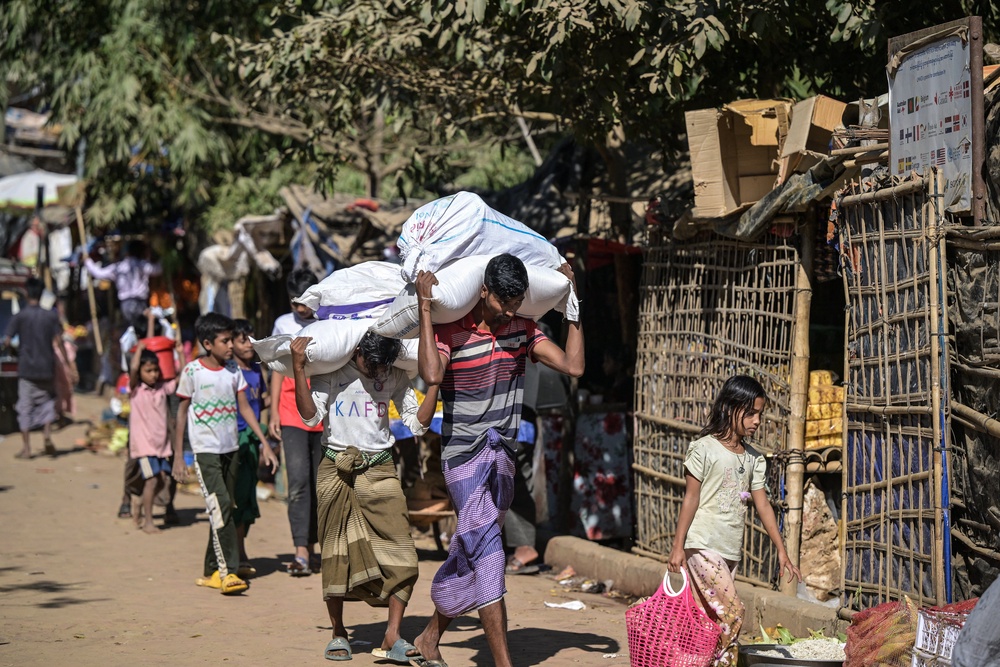
The impending deportation comes against the backdrop of rising hate speech and prejudice against the Rohingya in Malaysia.
“Instead of countering hate speech, the Malaysian government is pandering to it,” says Mark Farmaner, director of Burma Campaign UK, which is running a separate campaign demanding the deportation be halted.
“Playing refugee ping-pong, handing Rohingya refugees to the Myanmar military at the same time as it pursues genocidal policies designed to force Rohingya to flee, is not a solution to this crisis,” he argues.
“Malaysia is fully aware that it is not safe to hand over Rohingya refugees to the Burmese military.”
For the Rohingya who remain in Malaysia for now, the prospect of deportation only adds to fears about growing hostility towards the community.
“The Rohingya are terrified. They are absolutely scared,” Ramakrishnan says, pointing to what she calls an unprecedented rise in bullying and vigilante behaviour.
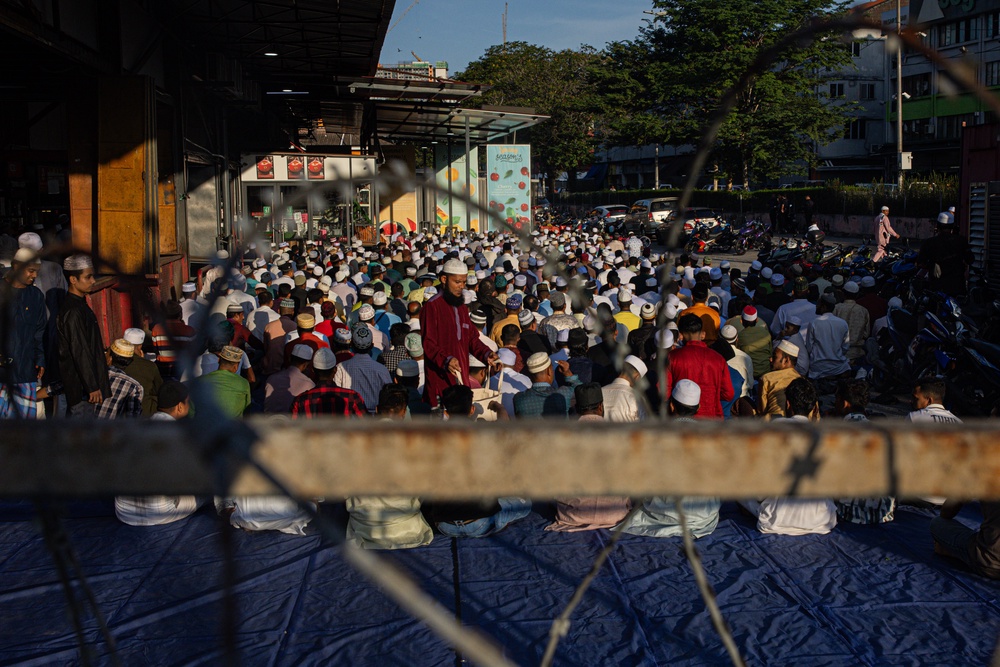
Farooq says that some Rohingya are afraid to even go outside because they risk being filmed and targeted on social media. Some struggle to find accommodation, he adds, while banners carrying messages such as “Drive out Rohingya” and “Save Malaysia from Rohingya” are appearing in the public sphere.
He says the people being returned may end up in detention camps or on the front lines of the civil war. Much of Rakhine is now controlled by the Arakan Army rather than the junta, raising questions about where the deportees will actually be taken.
“They haven’t accepted us for so many years,” he says, referring to the Buddhist majority in their home state. “Even if they accept us now, does the military have the power to send the Rohingya back to their homes, to their places? No.”
Meanwhile, Anwar’s proposed invitation to Min Aung Hlaing is also drawing wide condemnation from campaigners.
“It is a clear diplomatic bribe, giving the military the perceived legitimacy they crave in return for agreeing to accept the refugees,” Farmaner says.
Hunter Marston, director for Southeast Asia at the Lowy Institute, argues that Anwar is “handing the Myanmar military an unwarranted prize for its ghastly treatment of its own people”.
“It is patently obvious that this is a political move on Anwar’s part to shore up support from domestic constituents,” he tells The Independent.
“The Rohingya are deeply unpopular in Malaysia and the ruling coalition’s recent setback in state elections has put pressure on Anwar to shore up his nationalist credentials.”
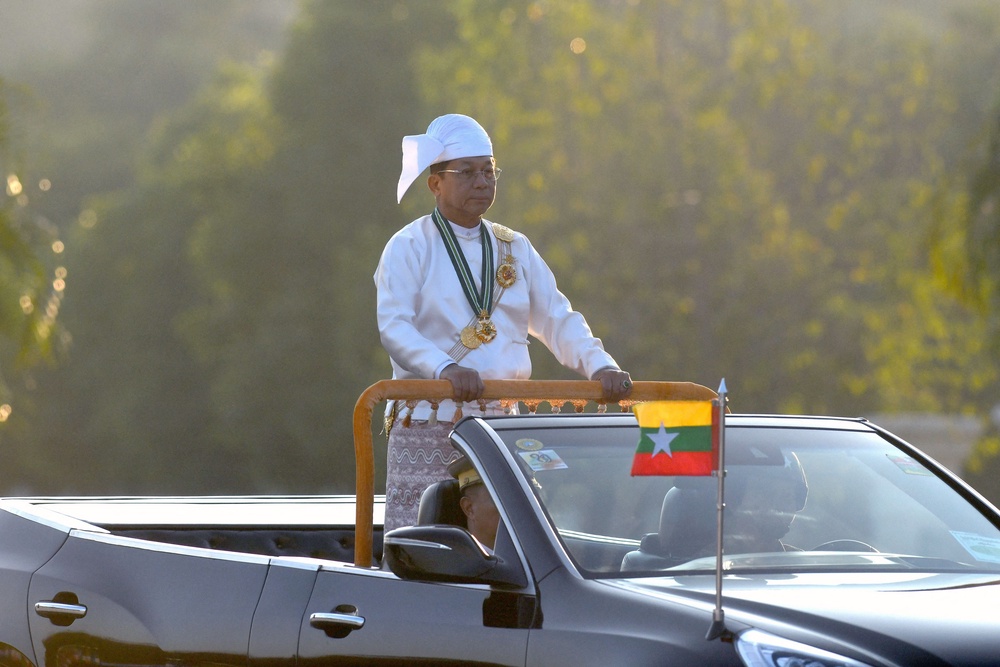
Martson notes that conditions in Myanmar are far from ideal for the Rohingya to return, with Rakhine still an active conflict zone and the military showing no sign of changing its treatment of the minority.
“Should the Rohingya return to Myanmar at this point, it is not clear where they would resettle given their homes have been razed and properties confiscated,” he says.
Human rights campaigner Debbie Stothard fears that Malaysia’s actions will set a terrible precedent.
“If Malaysia does do a mass deportation in cooperation with Min Aung Hlaing,” she points out, “then definitely Bangladesh, India, Indonesia, and other countries sheltering Rohingya in the region will be getting in line to send them back.”