Hundreds of people have been placed into quarantine in Siberia after a laboratory worker died of suspected plague, according to reports.
Darya Shipilova, an employee at the Anti-Plague Research Institute in Shelekhov, was exposed to the bacteria after she accidentally broke a test tube containing the pathogen while she was collecting samples, the Kyiv Independent reported.
She was hospitalised on 29 September with severe pneumonia of "unknown origin” and placed on a ventilator, but died shortly after.
Independent Russian outlet Lyudi Baikal reported that several hospitals in the city of Irkutsk had closed for a three-week quarantine.
At least 197 people suspected of having direct or indirect contact with the technician have been placed under medical isolation, the newspaper reported. More than 100 of those individuals are currently being monitored in hospital wards.

At the same time, local authorities have instituted strict quarantine measures across the district, targeting the Shelekhov District Hospital, a nearby maternity facility, and a local aluminium plant.
Irkutsk Governor Igor Kobzev urged residents to remain calm, writing on Telegram that an anti-epidemic commission had met to address a "suspected case of a particularly dangerous infection."
While his public statement did not acknowledge the worker's death, Kobzev stated that all identified close contacts remain asymptomatic and have tested negative.
Russian law enforcement agencies have reportedly opened a criminal investigation into potential workplace health and safety violations resulting in the lab worker’s death.
Former Rospotrebnadzor head, Gennady Onishchenko, downplayed the threat in comments to state news agency TASS, stating that the infection in the Irkutsk region is "most likely not the plague, but even if confirmed, there will be no spread of this disease."
He added that widespread transmission remains unlikely, noting that cooler seasonal temperatures would help contain potential spread.
Alexey Tsydenov, head of the neighbouring Republic of Buryatia, said in a statement that the woman had died of plague - but later edited his post to say she “may have” been infected with the disease.
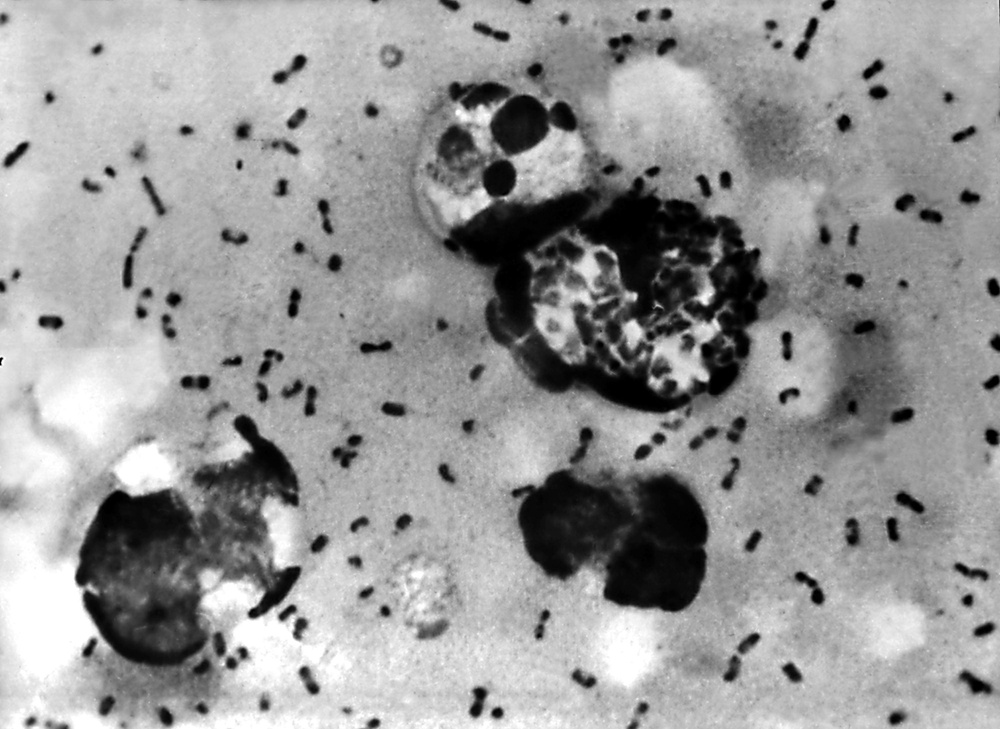
Because the facility specialises in dangerous pathogens, the incident has drawn speculation it could be pneumonic plague – one of three variants caused by the bacterium Yersinia pestis.
Unlike bubonic and septicemic plagues, which generally pass to humans via flea bites or contact with infected animals, pneumonic plague attacks the lungs directly and can easily spread from person to person through airborne respiratory droplets.
According to guidelines from the US Centres for Disease Control and Prevention, patients infected with pneumonic plague typically experience rapid onset fever, headaches, and physical weakness, alongside severe respiratory distress such as shortness of breath, chest pain, coughing, and watery or blood-tinged mucus.
While the World Health Organisation (WHO) warns that the disease carries a high mortality rate if untreated, it remains highly manageable with early antibiotic administration and standard infection control measures.
A spokesperson for the US State Department said it was aware of a possible death due to the disease in Russia.
“We are monitoring the situation closely with the CDC and our other interagency partners,” the spokesperson told CNN. “Many details have not been confirmed. We encourage Russian authorities to share accurate information quickly and openly.”
Read MoreUkraine war live: Nato at risk of conflict with Putin as war enters ‘new phase’
India says it wants to be more involved in ending Ukraine war as Zelensky hails plan
Ukraine claims its attacks have taken out more than half of Russia's oil refining capacity
The crippling effect we’re all feeling from the deadlock in Ukraine’s war with Russia
Hungary’s Orbán-era foreign minister grilled over ties to Chinese automaker after joining company
Schools set on fire in France as student riots dramatically escalate