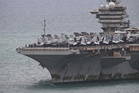
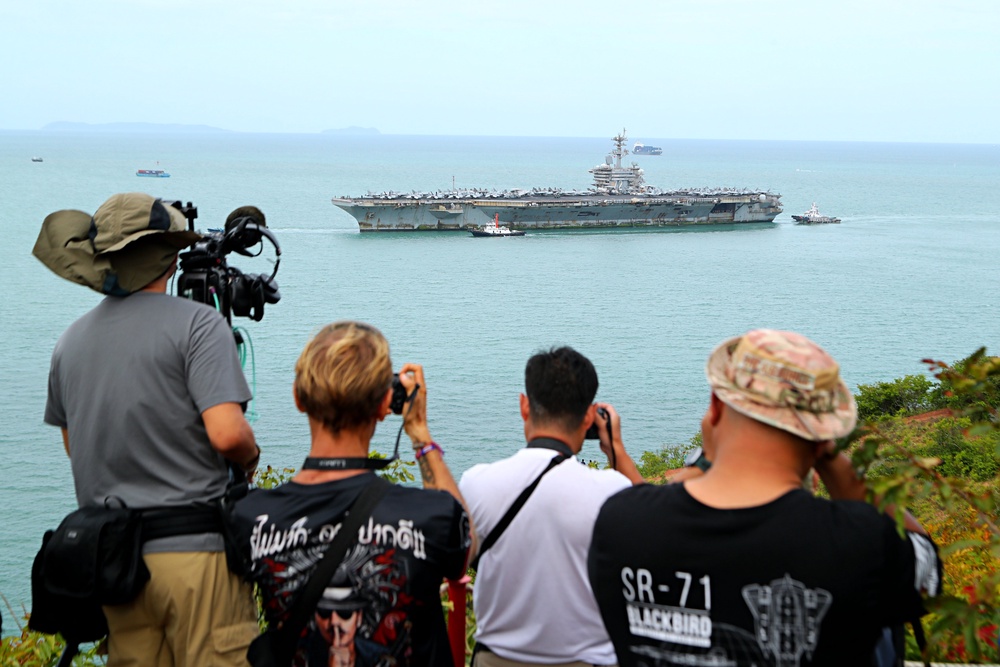
US Navy aircraft carrier Abraham Lincoln has steamed into Thailand's Laem Chabang on Wednesday with roughly 5,000 sailors and Marines who have spent 286 days at sea.
The visit follows reports of mental health concerns and deteriorating conditions on board the warship.
The Lincoln was deployed in November last year and was involved in the US naval blockade and combat operations in the war with Iran. It set a modern-day record for consecutive days at sea.
Typically naval deployments are for between six and nine months, but during times of conflict that can be extended.
There's no getting around the fact that Thailand's seaside resort of Pattaya has a lingering reputation for sex tourism, even though that's only part of the story for the city that's an expected shore leave destination of crew members aboard the USS Abraham Lincoln.
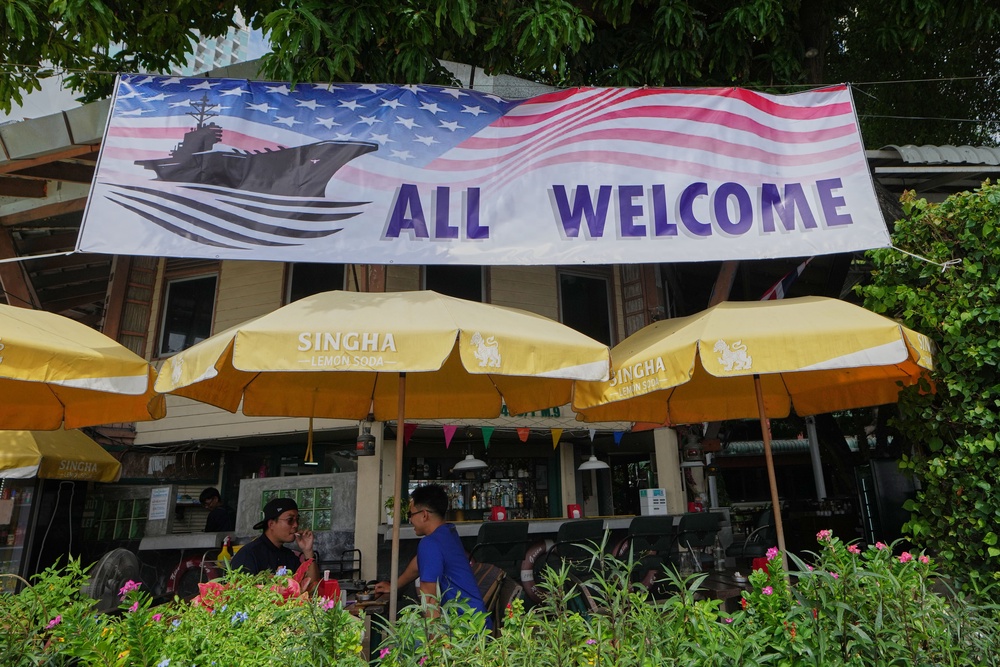
The 5,000 or so sailors and Marines will be following in the wake of millions of other tourists, including a significant number of US military personnel who take part every year in major land and sea exercises nearby with their Thai counterparts.
Social media ahead of the Lincoln's visit has been awash with jibes about lusty sailors, but recent visitors say the development of more family-friendly attractions makes the new Pattaya overshadow its former seedy self.
Many US Navy ships dock at nearby deep-water facilities such as Laem Chabang Port and the Sattahip Royal Thai Navy Base, both less than an hour away by road.
Shore leave spending boosts the local economy, and mission duties often include community outreach in and around the city, such as specialized medical care for villagers or putting in volunteer time at orphanages.

But when hundreds or thousands of sailors have a chance to enjoy some onshore liberty, the navy deploys members of its Shore Patrol to work side by side with Thai police to defuse any trouble.
Navy personnel are likely to have been reminded that, though rarely enforced, the law in Thailand technically bans prostitution, and paying for sex is a punishable offense under Article 134 of the Uniform Code of Military Justice, the legal framework for the U.S. armed forces.
The military connection goes back at least to the Vietnam War era, when at its height, 40,000-50,000 U.S. service personnel were stationed in Thailand, largely in support of that conflict's air operations. Bases used by U.S. forces dotted Thailand, and all attracted their share of nightlife activities.
Pattaya was close to both the Sattahip naval base and the Thai Navy's U-Tapao airfield, which hosted U.S. Air Force B-52 bombers.
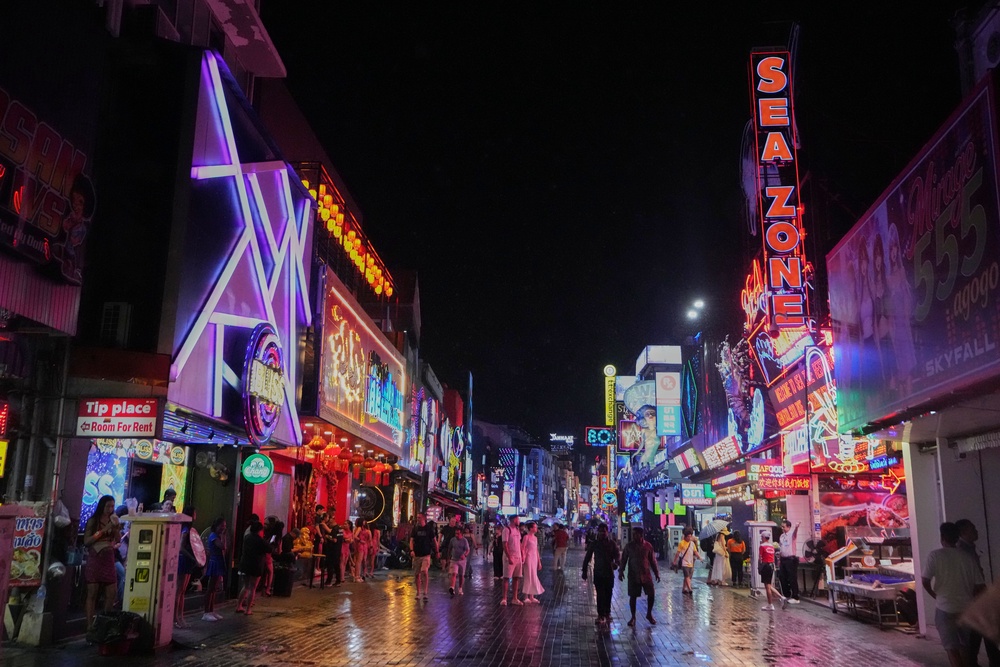
Elizabeth Becker, author of "Overbooked: The Exploding Business of Travel and Tourism," wrote that American GIs during the Vietnam War flocked to Pattaya, a once-quiet fishing village, "and it turned into a raunchy seaside playground."
The military facilities brought a continuous stream of personnel through Pattaya, while the 1966 Entertainment Places Act created a legal gray area allowing the sex trade to operate semiopenly in bars and massage parlors — as something of a private arrangement between customer and employee — despite a 1960 law criminalizing prostitution.
Pattaya also had a beach that could be reached relatively easily from Bangkok, which positioned it well for a transition to civilian visitors after the withdrawal of U.S. military forces in 1976.
Pattaya's infrastructure of go-go clubs and other entertainment venues was then marketed to travelers arriving in greater numbers due to cheaper air travel and a boom in package tours. Sex tourism became entrenched.
Severe economic disparities brought many young women and men from Thailand's poor northeastern Isan region to earn wages far exceeding rural agricultural incomes by working in Pattaya's lucrative nightlife sector, allowing them to send money home to their families.
Prostitution is culturally taboo, but sex work has quietly flourished in Thai society for centuries, with the domestic market dwarfing the more glitzy one for foreigners.
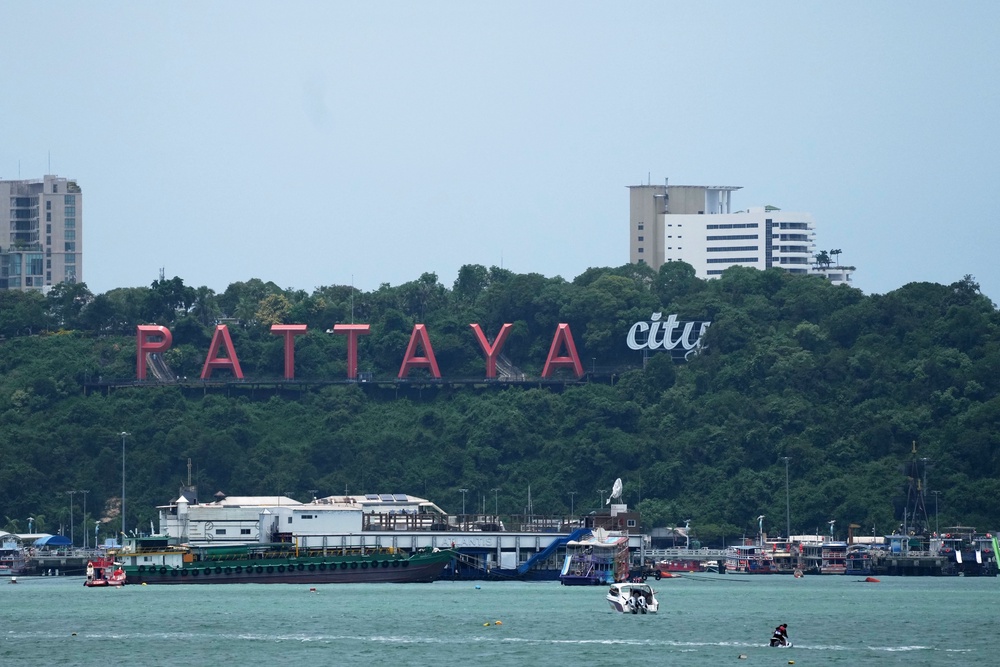
Pattaya underwent another evolution in the 1990s, with a new wave of tourists coming from what had been the Soviet Union, after communism there collapsed in late 1991.
Embracing modern globalized tourism, the newcomers came on direct charter flights, even from provincial cities, to the civilian airport at U-Tapao, benefiting from a 30-day visa-free agreement. Signs in Cyrillic sprouted around Pattaya as businesses catered to this new clientele.
Russians were not the only people calling Pattaya their home away from home.
The agreeable climate and allegedly laissez-faire attitude of local law enforcement attracted fugitives from justice and criminals from all over the world, including Russian, Eastern European, and Western European gangsters as well as drug-dealing motorcycle gangs from Australia.

Pattaya has tried with some success this century to rebrand itself as a family destination, with parks, malls and luxury resorts largely in surrounding areas that attract large numbers of Thais and visitors from other Asian nations.
A popular water park is themed around Cartoon Network shows. The Nong Nooch Tropical Botanical Garden displays vast stretches of flora and hosts cultural shows. The Sanctuary of Truth Museum is an ornate all-wood structure over 100 meters (yards) tall.
There are also golf courses, running events and day trips to nearby islands.
Travelers can still get a taste of old Pattaya with a nocturnal stroll down "Walking Street," at the heart of the city's racy nightlife district.
Read MoreThailand confirms it will cut visa-free stays to 30 days
US airline rolls out revamped 777 jet as carriers chase higher-spending travelers
This small Sicilian town is selling houses for €1
Tourists duped by fake 10 Downing Street listing on Booking.com
Spain sets new tourism record with 58.1m visitors up to July
Nepal urges foreign tourists to keep booking Himalayan holidays