
In towns and villages across Malaysia, everyday life often presents quiet yet poignant reminders of the gap between administrative expenditure and ground-level realities. In parts of Sabah, families frequently wake up before dawn to check whether water will flow from their taps or if they will need to rely on static storage tanks and water trucks to meet their basic domestic needs. Small business owners face interruptions due to fluctuating utilities, while rural school children travel over unpaved roads to reach their classrooms. This stark contrast between daily civic struggles and state-level financial allocations became the focal point of intense parliamentary discourse during the recent sitting of the Sabah State Legislative Assembly.
At the center of this democratic debate is a proposed RM70.5 million allocation for transport and flight-related expenditures under the state’s Supplementary Supply Bill 2026. What makes this figure particularly striking to observers is that the budget line specifically covers aircraft and helicopter charter services involving just two major state executive offices: the Head of State (Yang di-Pertua Negeri) and the Chief Minister. Breaks down to nearly RM190,000 every single day over a 365-day calendar year, the allocation has ignited a passionate national dialogue.
For Malaysian citizens, these figures are more than abstract lines in a budget document; they symbolize a broader societal question regarding fiscal governance, structural transparency, and the equitable distribution of public capital. As Malaysia strives to solidify its economic position and improve the quality of life for all its regions, questions surrounding how government funds are prioritized have taken center stage. The ongoing debate in the Sabah Legislative Assembly highlights a growing public desire for institutions to reconcile operational administrative requirements with the immediate, tangible needs of local communities.
The Mathematics of Governance and Public Inquiry
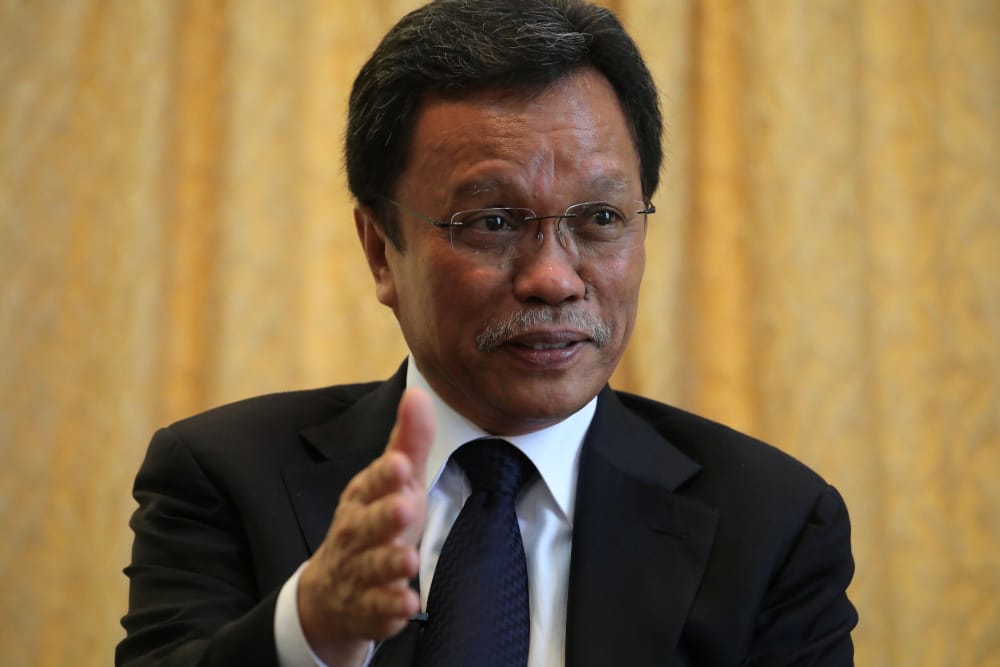
During the legislative deliberations on the RM1.612 billion Supplementary Supply Bill 2026, lawmakers scrutinized the mechanics behind the aviation allocation. Opposition Leader Datuk Seri Mohd Shafie Apdal highlighted that an initial RM66 million had been designated for official flight services, with an additional RM4.5 million proposed in the supplementary budget. This cumulative total of RM70.5 million represents a significant financial commitment for executive travel within a single state jurisdiction.
When evaluated as an operational expense, the total allocation breaks down to roughly RM190,000 per day. In his address to the assembly, Shafie questioned the frequency of flight operations and sought clarity regarding the procurement process, service providers, and contract recipients. In a modern democracy, public funds require clear justification to maintain citizen trust. While top executive figures undeniably require safe and reliable transportation to navigate Sabah’s expansive and rugged topography, the scale of this figure has prompted calls for greater institutional disclosure regarding operational utility and value for money.
Geographic Imperatives versus Urban Infrastructure Deficits
Sabah’s unique geographical layout presents genuine logistical challenges for public administration. Spanning over 73,000 square kilometers with mountainous terrain, dense rainforests, and remote coastal islands, conventional land travel across the state can be time-consuming and arduous. Aircraft and rotary-wing charter operations often facilitated through specialized providers such as Sabah Air Aviation have historically provided government leaders with essential mobility to oversee rural development, conduct emergency responses, and maintain administrative oversight across distant districts.
However, community representatives argue that high-altitude administrative mobility must be balanced against ground-level infrastructure needs. During assembly sessions, Kapayan assemblyman Loi Kok Yong raised concerns about how such substantial sums compare with allocations for municipal upkeep, water supply resilience, and sewerage system repairs. When urban centers experience utility disruptions or road maintenance delays, citizens naturally compare these localized budget shortfalls against multi-million-ringgit transport allocations. This contrast underscores the ongoing challenge state administrators face in balancing executive logistics with everyday civic infrastructure.
Balancing Strategic Development with Basic Civic Needs
The debate over state aviation spending sits within a larger effort to modernize Sabah’s transport and connectivity infrastructure. Over the years, federal and state agencies have invested in strategic aviation assets, including major airport modernization initiatives documented by the Ministry of Transport Malaysia. Furthermore, specialized offshore and rotary-wing operations handled by entities like Sazma Aviation demonstrate the technical capabilities present within East Malaysia's aviation sector.
The core question facing policymakers is how to align high-level logistical investments with foundational public necessities. While state leadership requires efficiency and rapid reach across vast distances, public support relies on seeing similar urgency applied to basic municipal needs. Striking this balance ensures that industrial growth, tourism development, and executive governance progress in harmony with community well-being.
Institutional Reforms and the Future of Public Spending
In recent years, Malaysian administrative practices have increasingly moved toward greater fiscal discipline, robust auditing, and open governance. Public discussions regarding government asset allocation ranging from civil fleet management to broader asset optimization as reported by national outlets like The Vibes reflect a growing civic interest in how state resources are utilized.
As state assembly members continue to debate supplementary budget allocations, these discussions demonstrate the vital role of parliamentary oversight in a functioning democracy. By asking probing questions, seeking clear breakdowns of public spending, and advocating for balanced budget distribution, elected representatives help refine administrative practices. This dynamic exchange between executive governance and legislative scrutiny remains essential for building resilient, equitable, and forward-looking public institutions.
What Do You Think? I’d Love to Hear Your Opinion in The Comments Section.
The debate surrounding Sabah’s RM70.5 million executive aviation allocation reaches far beyond numbers on a financial balance sheet. It reflects a deeper, collective aspiration shared by citizens across Malaysia: the desire for a society where administrative efficiency and public empathy move hand in hand. Every ringgit allocated from the public purse represents the hard work and trust of the rakyat. When leaders demonstrate prudence, clarity, and balance in managing these resources, they reinforce the social contract that connects the government to the people it serves. As Sabah continues to chart its path forward, maintaining an open, constructive dialogue between executive priorities and essential community needs will remain vital for sustainable regional development and lasting civic trust.
AM World (tameer.work88@gmail.com) is a content creator under the Newswav Creator programme, where you get to express yourself, be a citizen journalist, and at the same time monetize your content & reach millions of users on Newswav. Log in to creator.newswav.com and become a Newswav Creator now!
The User Content (as defined on Newswav Terms of Use) above including the views expressed and media (pictures, videos, citations etc) were submitted & posted by the author. Newswav is solely an aggregation platform that hosts the User Content. If you have any questions about the content, copyright or other issues of the work, please contact creator@newswav.com.