
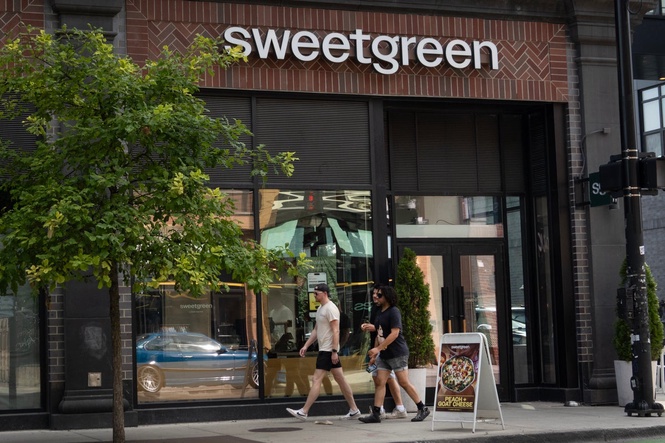
Sweetgreen wants to remind customers that it offers more than nearly $20 salads - as company executives try to bring more customers through the doors.
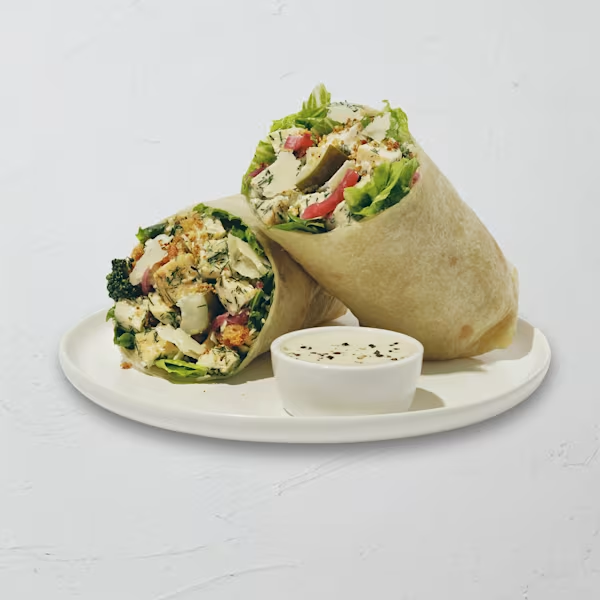
The fast-casual chain’s new wraps are a hit with consumers, accounting for about one in five transactions by September, as Sweetgreen tries to shake its reputation for pricey salads and win back customers, according to Restaurant Dive.
The chain launched four wraps nationwide in May, with prices starting at about $11. The move is part of a larger effort to make Sweetgreen more affordable, improve food quality and speed up service after several quarters of declining customer traffic.
“When you'd walk into a Sweetgreen, you'd see more things above $15 than you would see under $15,” Chief Financial Officer Jamie McConnell told The Wall Street Journal Tuesday about the thinking behind the rollout.
“So psychologically, even though a lot of our prices could be lower than some of our peers, we were viewed as a very expensive company because we didn't have any of those entry prices in,” McConnell added.
Sweetgreen is also changing how it prices customized salads and bowls to prevent customers from being surprised by the final bill after adding ingredients.
“What used to happen is you'd start off with a $10 green bowl, and then you go down the line, add all of these different things, and before you know it, you have a $22 salad and you're pissed, right?” McConnell said. “We want to make sure that's more transparent.”
The company now offers a protein, two bases and four toppings for about $13, with dressing and bread included. It has also increased portion sizes and is trying to win back customers with lower starting prices rather than relying on deep discounts.
Sweetgreen spent about two years developing its wraps before testing them at eight Los Angeles restaurants. The trial expanded to about 70 locations before the nationwide launch.
But the wraps haven't been enough to turn fortunes around. Sweetgreen's sales at established restaurants fell 6.2 percent in the second quarter compared with the same period last year, while customer visits dropped 2 percent.
The company has since lowered its expectations for the year, now predicting sales at established restaurants will fall 7 percent to 8 percent, steeper than its earlier forecast of a 2 percent to 4 percent decline.
Food-safety concerns involving lettuce and jalapeños also weighed on demand across the restaurant industry. Sweetgreen said it did not use the iceberg lettuce linked to “explosive diarrhea” scare and that its suppliers were unaffected.
The company is also trying to make meals faster and fresher. Employees now cut lettuce and tomatoes each morning rather than the night before, suppliers provide kale with its stems removed, and workers at busier restaurants are assigned specifically to wrap assembly during peak hours.
“People don't want to always come into Sweetgreen, because they feel like it's slow,” McConnell told the Journal. “If you can go into a restaurant, be in and out with your salad in under five minutes, that would be the goal.”
Sweetgreen operates around 280 restaurants in the U.S., with another 61 in California.
Read MoreOutback Steakhouse hopes you will like their new steaks more
Oprah-backed chain files for bankruptcy and closes 12 restaurants
Black Friday is coming weeks early for these DIY retail giants
This is the net worth you need to be considered rich in America
Millions of student loan borrowers face huge payment shock — here’s what is changing
The median net worth of Americans by age — how do you compare?