THE full-scale fighting between Saudi Arabia and the Houthi rebels in Yemen has for the moment taken the focus away from the bigger war between the United States and Iran.
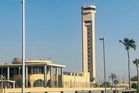
Last week, a Houthi missile attack on Riyadh’s King Khalid International Airport killed 12 people and injured 309. It was the deadliest attack in any Gulf Arab country since the US-Iran war ignited in February, and its impact could reshape the geopolitical landscape of the Middle East.
For more than a decade, the Saudis and the Houthis have been locked in a conflict that is driven by domestic instability, sectarian and tribal differences, and regional rivalries.
The Houthis began as a movement backing a minority Shiite sect in northern Yemen. In 2014, the group joined anti-government forces in a coup and took over the capital city, Sana’a.
Saudi Arabia, the region’s leading Sunni potentate, was uncomfortable with having a Shiite-dominated state for a neighbor, especially one that is closely aligned with Iran.
In 2015, Riyadh spearheaded a coalition of Arab states to dislodge the Houthis from Sana’a and restore power to the pro-Saudi regime. Iran stood by the Houthis, supplying its proxy with weapons, including attack drones.
Fighting raged throughout Yemen until April 2022, when the United Nations mediated a two-month truce between the Saudi-led coalition and the Houthis. The truce was extended twice before expiring seven months later.
Since then, a “no war, no peace” stalemate has settled in Yemen, with Oman activating back-channel negotiations to keep the two sides talking.
The stalemate crumbled in 2023, when the rebels began targeting commercial shipping passing through the Red Sea, claiming the attacks were launched “in solidarity” with other Iranian proxies Hamas and Hezbollah, which have come under heavy attack from Israel.
The last vestiges of the truce dissolved after the US-Iran conflict escalated into a full-blown war, and the Houthis intensified missile and drone barrages against Saudi targets. Riyadh has countered by launching air strikes on Houthi military bases and arms depots around Sana’a.
It used to be that the US was quick to respond militarily to any attack on Saudi Arabia, considered to be its most trusted ally in the Middle East. Today, President Donald Trump doesn’t seem too eager to respond to personal appeals from Saudi Crown Prince Mohammed bin Salman for US military intervention. The reluctance could stem from a promise the Houthi leadership made in 2025 that it would not attack US commercial and military vessels in the Red Sea.
Another reason may be that Trump doesn’t want the US to be still at war with Iran when the midterm elections are held on Nov. 3, a situation that could prove fatal for Republican candidates.
Then again, Riyadh might have realized it was time to phase down its long dependence on American military might to shield it from its enemies.
That shield failed to stop Iranian and Houthi missiles from raining down on the kingdom.
Saudi Arabia, in fact, still wields enough influence to persuade Gulf states to enter into collective negotiations with Iran.
Omar and Qatar maintain back-channel lines with Tehran, and Riyadh could tap those lines to expand the scope of negotiations.
In 2023, a China-brokered rapprochement pact managed to restore ties between Riyadh and Tehran. The agreement, while hailed as a breakthrough, didn’t last long, as Saudi Arabia found out that Iran continued to secretly provide the Houthis with weapons.
Interestingly, Iran itself has volunteered to bring Saudi Arabia and the Houthis to the negotiating table. Iran, however, insists that Saudi Arabia must first lift its air and naval blockades of Yemen. Saudi Arabia says it will do so only if the Houthis give up control of the Red Sea coast and stop attacking Saudi airports.
Political observers say an alternative security realignment might work. Riyadh has integrated Turkey and Pakistan into the Makkah Defense Pact, a collective regional strategy modeled after NATO’s Article 5.
Under the pact, an armed attack against any one of the three states would be regarded as an attack against all of them.
The agreement is a radical shift from Middle Eastern politics. Perhaps that is what the region needs now.