The importance of First Aid, Cardiopulmonary Resuscitation (CPR), and Automated External Defibrillator (AED) training has never been more critical in today’s fast-paced and unpredictable environment. Emergencies such as sudden cardiac arrest, workplace injuries, or accidents in public places can occur without warning, and in those crucial first few minutes, immediate action often determines survival. While emergency medical services play a vital role, they are not always instantly available. In reality, the first responder is usually a bystander, an ordinary person who may or may not be equipped with the knowledge and confidence to act. This is why equipping the general public, corporate employees, and industrial workers with these life-saving skills is essential in building a safer and more resilient society.
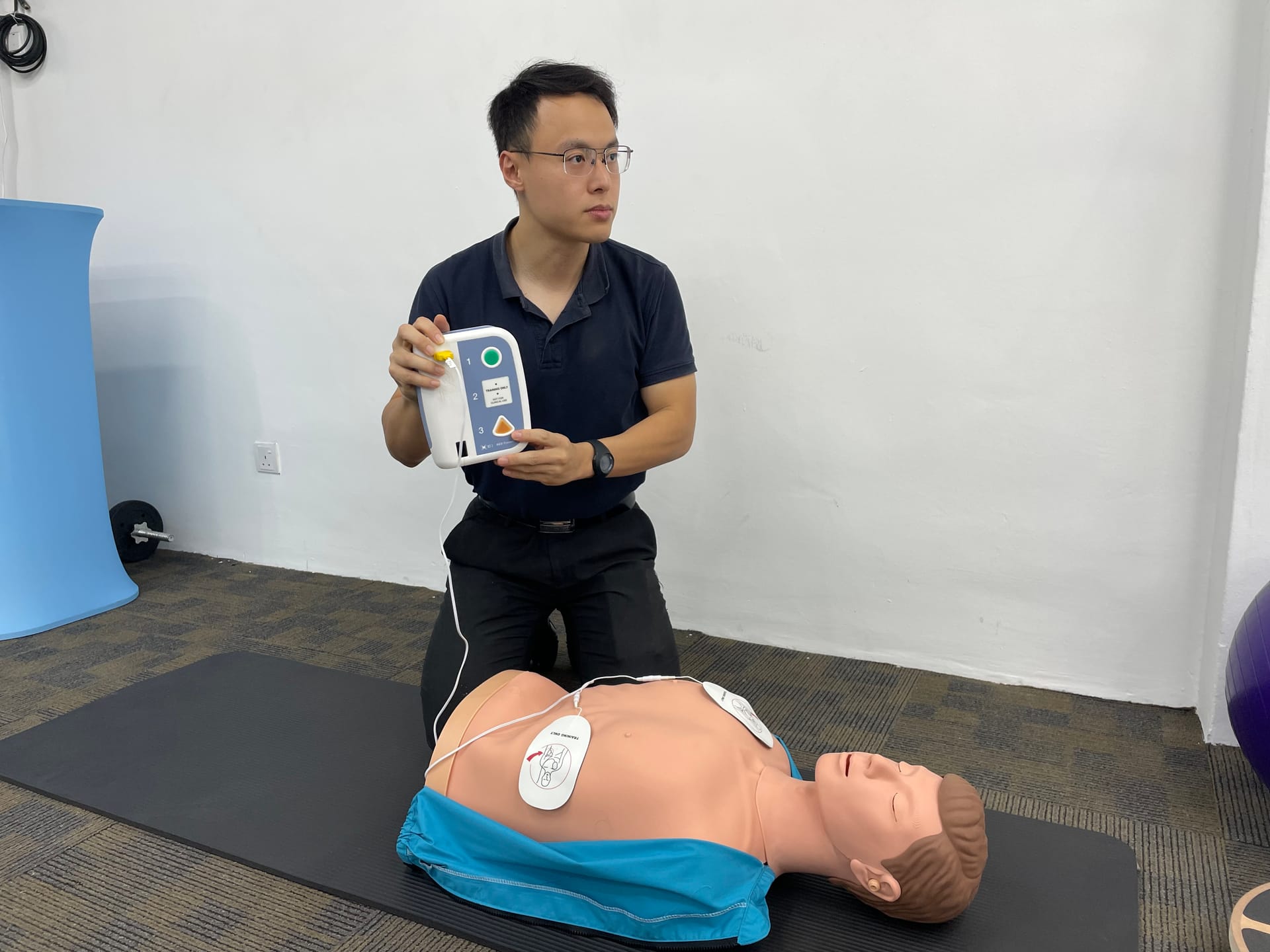
In public settings, the presence of trained individuals can significantly increase survival rates during emergencies. A person who collapses in a shopping mall, park, or public transport hub depends entirely on those nearby to initiate CPR and utilise an AED if available. Without intervention, the chances of survival decrease rapidly with every passing minute. However, when members of the community are trained, they become empowered to respond effectively rather than remain passive observers. This not only saves lives but also fosters a sense of shared responsibility and community care, where individuals are more aware, prepared, and willing to help one another in times of crisis.
Within the corporate environment, First Aid, CPR, and AED training serve both a humanitarian and organisational purpose. Employees spend a significant portion of their day at work, making it a critical setting for emergency preparedness. By ensuring that staff are trained, companies can reduce the severity of workplace incidents and respond promptly to medical emergencies such as cardiac arrest, choking, or injuries. Moreover, organisations that invest in such training demonstrate a strong commitment to employee welfare and corporate social responsibility. It enhances staff confidence, morale, and overall workplace safety culture, while also helping companies meet occupational safety requirements and reduce potential legal liabilities.
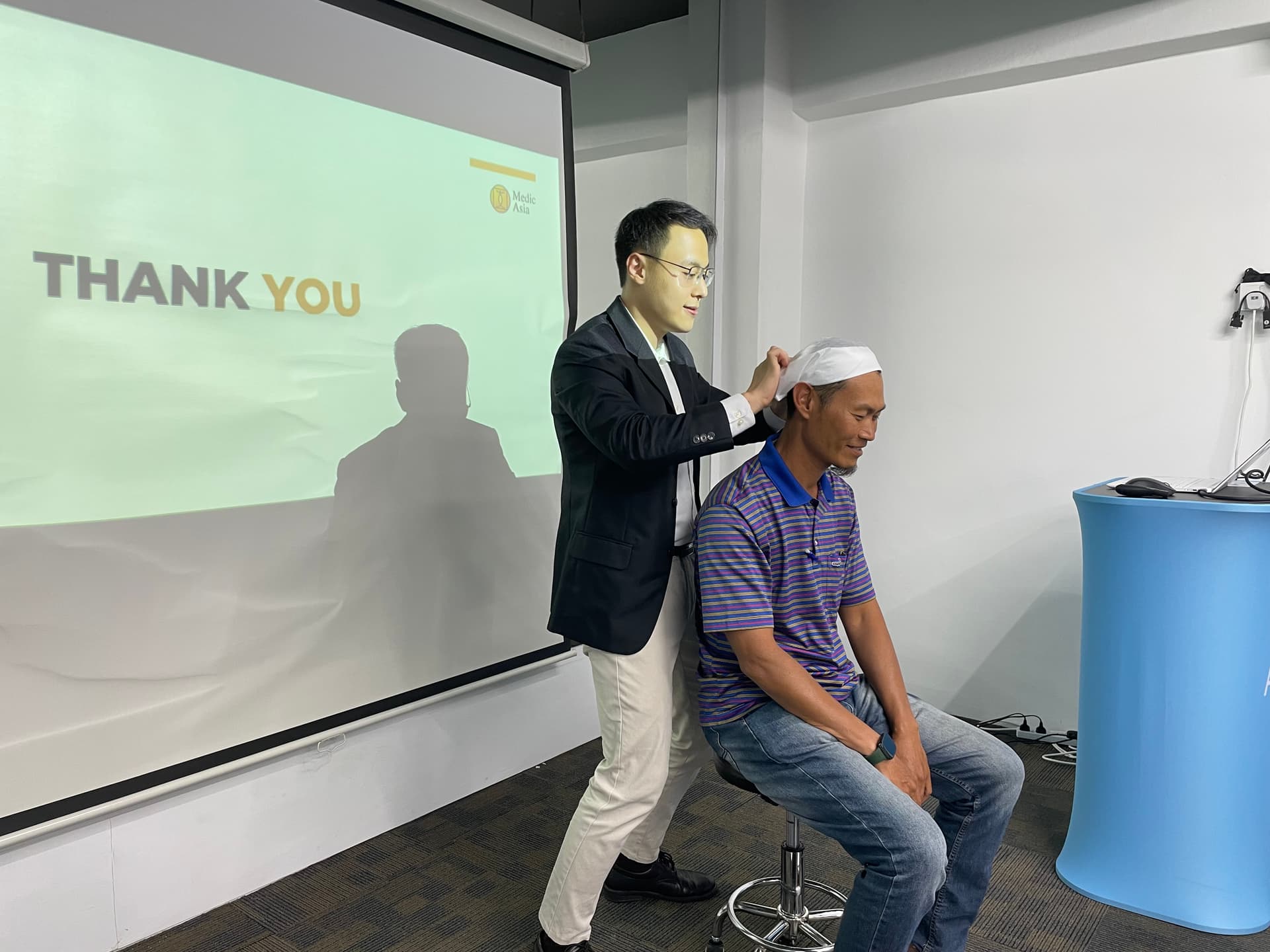
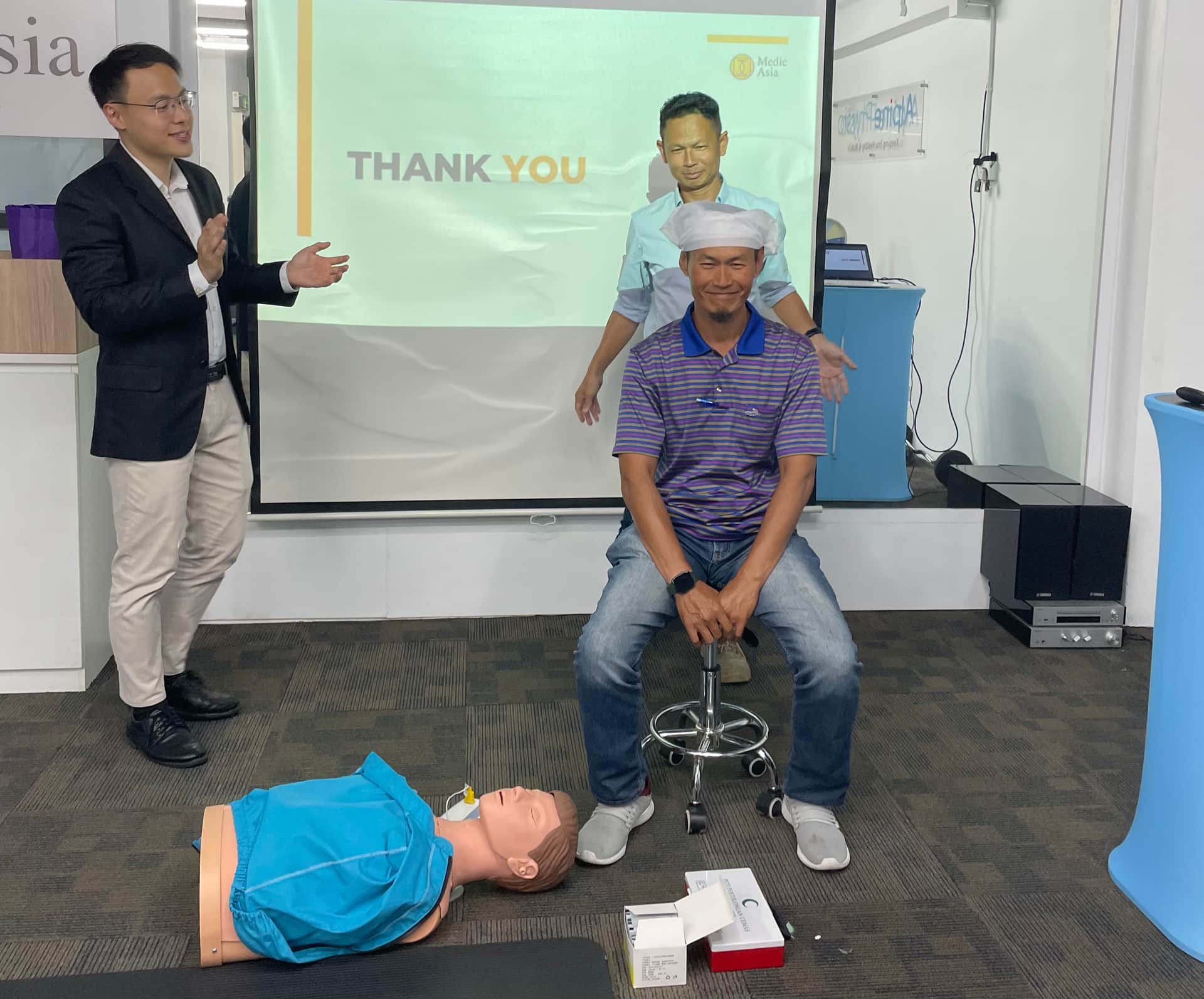
Mr Vincent is showing the injury session(This picture’s copyright belongs to the author- Laguvendran Sandran)
In industrial and high-risk sectors, the importance of these skills becomes even more pronounced. Environments such as construction sites, factories, and offshore facilities are inherently associated with higher risks of injury and medical emergencies. In such settings, the time taken for professional medical assistance to arrive may be longer, making immediate on-site response crucial. Workers trained in First Aid and CPR can stabilise injured colleagues, manage bleeding, or initiate life-saving measures while waiting for emergency services. The availability and proper use of AEDs in these environments further enhance the chances of survival in cardiac emergencies, bridging the gap between incident and advanced medical care.
Creating widespread awareness and adoption of these life-saving skills requires a structured and sustained approach. Education systems can play a foundational role by integrating First Aid and CPR training into school and university curricula, ensuring that individuals acquire these skills early in life. At the corporate level, organisations can make such training part of mandatory onboarding or annual certification programs, supported by regular drills and refreshers. Public awareness campaigns through social media, community outreach, and real-life storytelling can also help demystify CPR and AED usage, encouraging more people to step forward and learn. Additionally, increasing the accessibility and visibility of AEDs in public and private spaces, paired with clear signage and public registries, ensures that awareness is complemented by action.
Ultimately, the goal is to cultivate a culture of preparedness where responding to emergencies becomes second nature. When more individuals are trained and confident in administering First Aid, performing CPR and using an AED, the chain of survival becomes stronger at every level of society. In those critical moments before professional help arrives, it is the presence of a trained individual that can turn a potential tragedy into a life saved.
Laguvendran Sandran (laguvendran96@gmail.com) is a content creator under the Newswav Creator programme, where you get to express yourself, be a citizen journalist, and at the same time monetize your content & reach millions of users on Newswav. Log in to creator.newswav.com and become a Newswav Creator now!
The User Content (as defined on Newswav Terms of Use) above including the views expressed and media (pictures, videos, citations etc) were submitted & posted by the author. Newswav is solely an aggregation platform that hosts the User Content. If you have any questions about the content, copyright or other issues of the work, please contact creator@newswav.com.