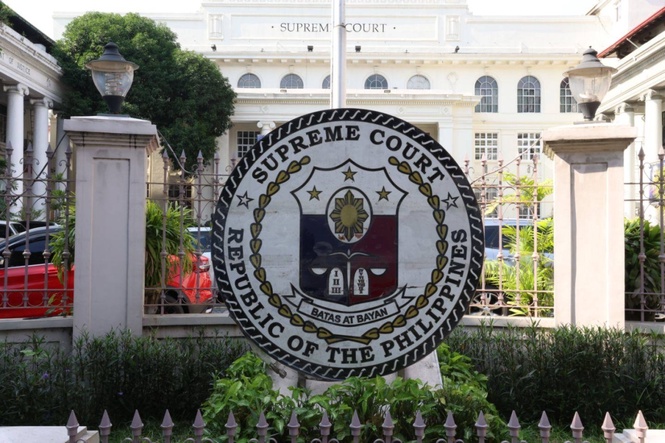
MANILA, Philippines — The Supreme Court (SC) has revamped its rules on examining child witnesses, allowing video-link testimonies, recorded depositions and professionally conducted interviews to spare children from repeatedly reliving traumatic experiences in court.
Under the Revised Rule on the Examination of Child Witnesses (RRECW), approved by the court en banc on June 17, 2026 but only announced Wednesday, courts may allow children to testify through videoconferencing from outside the courtroom when appearing in person is likely to cause them further trauma.
The new rules also allow electronically recorded depositions and recorded interviews conducted by trained professionals to be presented as evidence, subject to safeguards protecting the rights of the accused and other parties.
In announcing the revised rules, the SC said the changes aim to make court proceedings more child-friendly while ensuring that children's voices are heard without exposing them to unnecessary psychological harm.
Under the rules, judges may limit the people a child witness can see and hear during testimony, including the accused, while preserving the latter's constitutional right to confront witnesses.
If identification of the accused is necessary, the accused may briefly appear on camera or be identified by the child through an image displayed on screen.
Children who cannot testify in court or through videoconferencing because of disability, health concerns or other circumstances may instead give an electronically recorded deposition in the presence of the judge and lawyers from both sides. The recording may be used in place of their actual courtroom testimony.
The revised rules also recognize recorded interviews conducted by a team of professionals as evidence, reducing the need for children to repeatedly recount painful incidents.