

In a world enamored with high-tech thrills akin to Mission Impossible, imagine finding yourself in a personal techno-drama. Your cell phone number, the gateway to your digital world, is stolen through a cunning ploy known as SIM swapping.
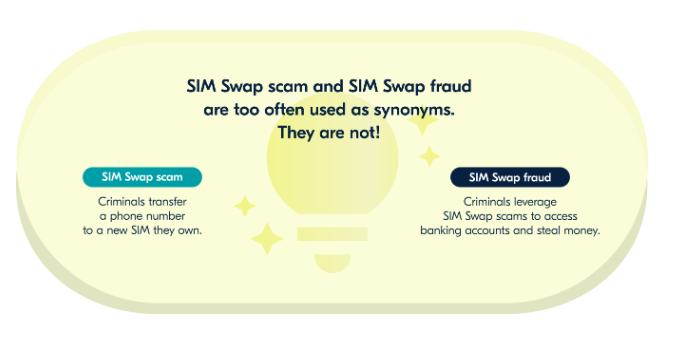
What exactly is SIM swapping? It's a stealthy maneuver wherein cybercriminals dupe your cell provider into redirecting your number to their own SIM card. This small plastic chip holds the power to dictate which phone number a device uses.
Once in their possession, the thief gains a key to your identity. With your number linked to your bank, email, and social media accounts, they can infiltrate your digital domain. Imagine them intercepting vital confirmation codes meant for your device, granting access to your financial reserves, enabling them to take out loans in your name, and even exploiting your email contacts to scam your closest connections.
Recent tests by Princeton researchers underscore the chilling ease with which SIM swaps can be executed. Among five major U.S. cell phone providers, they succeeded in 39 out of 50 attempts, a testament to the vulnerability of our mobile numbers.
Here are red flags indicating SIM swap fraud:
Locked Out of Online Account: If you suddenly find yourself barred from your phone service's online account, a SIM swap may be the culprit.
No Service Despite Good Reception: If your phone inexplicably loses service or you can't receive calls or texts in an area with clear reception, it's time to alert your provider.
Suspicious Notifications: Be vigilant for notifications of unusual activities on your account. Most providers will promptly inform you of any anomalies.
Should you suspect a SIM swap scam, immediately contact your mobile carrier, insisting that you haven't made any account alterations. Simultaneously, reach out to your bank and scrutinize transactions for any unauthorized activity. Enrolling in a reputable credit monitoring service adds an extra layer of protection.
Here's how to fortify yourself against SIM swapping:
Lock Your Number: Many carriers offer a "Number Lock" or "Port Freeze" feature, safeguarding your mobile number from unauthorized transfers. This lock can typically be removed with a PIN or by visiting a physical store.
Limit Online Sharing: Avoid publicly disclosing critical personal information like your full name, address, phone number, and birth date. Be cautious about oversharing on social media, as these details may be used in security questions.
Beware of Phishing: Steer clear of suspicious emails, texts, and calls. Trusted institutions won't ask for personal information out of the blue. If in doubt, contact them directly.
Fortify Passwords: Employ robust passwords with 12 or more characters, making them nearly impervious to guesswork. Also, select security questions that even acquaintances couldn't answer.
Biometric Authentication: Whenever possible, use Face/Touch ID for an added layer of security. This biometric barrier is difficult for thieves to breach.

Kamran is a content creator under the Newswav Creator programme, where you get to express yourself, be a citizen journalist, and at the same time monetize your content & reach millions of users on Newswav. Log in to creator.newswav.com and become a Newswav Creator now!
The User Content (as defined on Newswav Terms of Use) above including the views expressed and media (pictures, videos, citations etc) were submitted & posted by the author. Newswav is solely an aggregation platform that hosts the User Content. If you have any questions about the content, copyright or other issues of the work, please contact Newswav.