
In an increasingly interconnected world, scams have become more prevalent and sophisticated. With the rise of digital technology and online transactions, fraudsters constantly develop new methods to deceive and exploit individuals. Understanding common scam tactics and learning from real-life case studies can help you safeguard your personal information and finances.
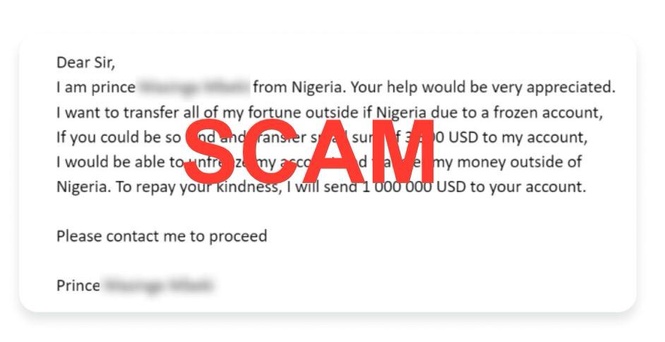
One of the most infamous scams is the “Nigerian Prince” or “419” scam. This scheme involves receiving an unsolicited email from someone posing as a wealthy Nigerian official or royal claiming to need help transferring a large sum of money from their country. The scammer promises a substantial reward for your assistance but requires you to provide personal information or pay a series of fees. The scammer's goal is to steal your money or personal data. “The email might appear professionally written and convincing, but legitimate financial transactions never involve unsolicited requests for personal or financial information,” warns John Lee, a retired banker who has witnessed a few friends and acquaintances fall victim to such scams. His advice? Always verify the legitimacy of such requests through trusted and official channels before taking action.
Another prevalent scam is the “Romance Scam,” which preys on individuals seeking companionship online. In this scenario, a fraudster creates a fake profile on dating or social media sites, building a romantic relationship with the victim over time. Once trust is established, the scammer manipulates the victim into sending money or gifts, often under the guise of a financial emergency or travel expenses. John recounts a case where a friend lost nearly RM 100,000 to a scammer posing as a military officer stationed overseas. Romance scams can be both emotionally devastating and financially draining. To protect yourself, John advises being cautious of anyone who requests money or financial assistance early in an online relationship. Verify the identity of individuals you meet online and be wary of sharing personal information.
John also stresses the importance of being skeptical of unsolicited requests. Whether it’s an email offering a large financial reward, a phone call from supposed tech support, or a plea from an online romantic interest, always exercise caution with unsolicited communications. Verify their legitimacy through official channels before taking any action. Never share sensitive personal or financial information with unknown or unverified sources. Avoid providing details such as Social Security numbers, bank account information, or passwords to anyone you cannot verify.
To further protect yourself, employ strong security practices. Use unique, complex passwords for your online accounts, enable two-factor authentication where possible, and regularly update your security software to defend against malware and phishing attempts. “By remaining vigilant and informed, you can significantly reduce the risk of falling victim to scams and protect yourself from financial and emotional harm,” John advises. As scammers continually evolve their tactics, staying updated on the latest fraud schemes and practicing cautious online behavior are essential to safeguarding your personal and financial security.
Didier Loewe is a content creator under the Newswav Creator programme, where you get to express yourself, be a citizen journalist, and at the same time monetize your content & reach millions of users on Newswav. Log in to creator.newswav.com and become a Newswav Creator now!
The User Content (as defined on Newswav Terms of Use) above including the views expressed and media (pictures, videos, citations etc) were submitted & posted by the author. Newswav is solely an aggregation platform that hosts the User Content. If you have any questions about the content, copyright or other issues of the work, please contact Newswav.