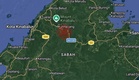
KOTA KINABALU: Recent earthquakes in Ranau, the Tongod vicinity and Sabah’s east coast have underscored the importance of building safety and earthquake preparedness.
The Institution of Engineers Malaysia (IEM) Sabah Branch and the Association of Consulting Engineers Malaysia (ACEM) Sabah Branch jointly organised a technical seminar on earthquake-resistant design at Le Méridien Kota Kinabalu on Oct 7.
The seminar attracted about 50 engineers and construction industry professionals, who discussed seismic design standards and engineering practices aimed at improving building safety and resilience.
Topics included MS EN 1998 (Eurocode 8), which covers seismic design requirements, including earthquake loading, structural analysis, building stability and ductile detailing. Participants also explored the use of Building Information Modelling (BIM) and modern engineering technologies to improve structural safety and construction quality.
IEM Sabah Branch Chairman, Ir Tan KJ, said that although earthquakes could not be prevented, their impact on buildings, infrastructure, lives and property could be mitigated through sound engineering design, appropriate building standards and quality construction.
He said IEM played an important role in professional training, technical knowledge-sharing and Continuing Professional Development (CPD), while ACEM focused on strengthening engineering consultancy services, design quality and the practical application of engineering standards.
Tan said both organisations would continue working together to enhance the professional capabilities of Sabah’s engineering community and promote safer construction practices.
He added that the initiatives were aligned with the Sabah Maju Jaya 2.0 (SMJ 2.0) Development Plan, particularly in infrastructure development, human capital enhancement, technological innovation and sustainable development.
IEM Sabah would also continue strengthening collaboration with government agencies, local authorities, universities and construction industry stakeholders to promote safer and more resilient infrastructure, he said.
“While we cannot control nature, through sound engineering design, professional knowledge and close collaboration, we can build a safer, more resilient and better Sabah for future generations,” he said.