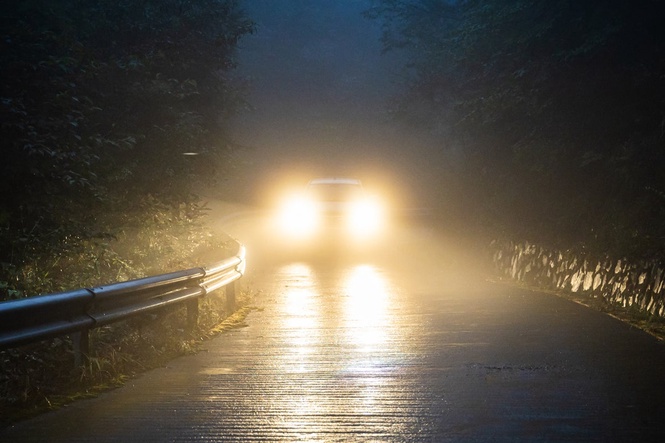
With the clocks soon due to go back, and longer nights on the way, motorists across the country face the prospect of a darker and more challenging drive.
The transition to winter makes driving conditions inherently more hazardous, but taking simple precautions can significantly reduce these risks.
Tyre specialist Davanti has shared some critical advice on how to stay safe through the darker months, including practical adjustments drivers can apply to their overall driving style.
Check your lights
Lights become even more critical when there is less daylight. Headlights do not merely illuminate the route ahead; they also ensure your vehicle is fully visible to other road users.
As a result, issues like an unreplaced blown bulb can make road hazards considerably more dangerous.
Drivers should regularly inspect their car’s light units, asking a friend or relative to assist by checking that components such as full-beam headlights and indicators function properly.
Keep aware of glare
Driving in the dark brings one issue to the forefront: glare. With the greater use of high-performance LED lights, drivers have never suffered as much from glare as they do now, but there are still things you can do to help.
The best thing to do is to glance towards the left-hand kerb instead of looking straight at the oncoming car’s headlights.
Most cars also have a rear-view mirror with a night mode to block glare from vehicles behind, so make sure you’ve used this too.
A clean car means better visibility
There’s a lot more dirt and grime on the roads at this time of year and, as a result, your car can quickly get grubby as well.
However, a dirty windscreen and rear screen can hamper visibility, so it’s essential that you clean your car more often in these months.
Grime can also make a car’s lights less effective, so focus on cleaning these as well.
Dim your dashboard
A bright dashboard display can make it trickier to focus on the road ahead when it’s dark, so turning down its brightness can really help.
Some cars even have a dedicated ‘night mode’ which lowers all of the instrument lights so that you can better focus.
Give yourself more time
It can be much harder to judge distances and speed when you’re travelling in the dark, so giving yourself more time is essential.
Leave a larger gap between yourself and the car in front and you’ll be far better equipped to react to a sudden slowdown. This is particularly important on the motorway where speeds are higher, too.
Giving yourself more time will also allow you to spot vulnerable road users, such as pedestrians and cyclists, more easily.
Check on your tyres
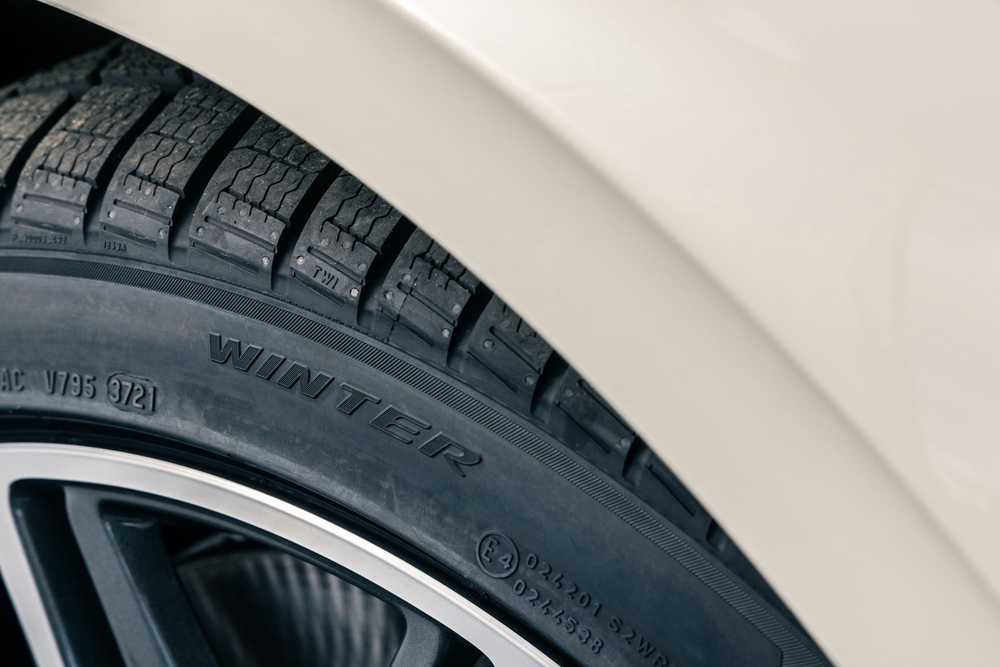
As the wet weather rolls in, having the right tyres is essential. Tyres with a low amount of tread can’t displace water as effectively so, when it rains, they won’t allow your car to brake properly.
Davanti advises checking your tyres regularly during this season and replacing them if they’re nearing or on the UK’s tread depth limit of 1.6mm.
It could also be a good opportunity to consider all-seasons or winter tyres, which can help to deliver better grip levels when it’s colder and wetter outside.
Always take a break if needed
Tiredness is easier to succumb to when it’s dark outside. If you’re feeling weary behind the wheel, then make sure that you stop to take a break. Driving tired can have serious consequences, and even a short break can help to keep it at bay.
Always make sure that you stop somewhere safe, though, and never be tempted to pull over into a hard shoulder or emergency stop location on a smart motorway.
Read MoreEV owners can save £300 thanks to home charging rule change
The six key signs of pulmonary fibrosis – and when to consult a doctor
Five tips for drying your clothes in winter – without a dryer
Professor Tim Spector: How to boost your mood and brain health with gut friendly food