Millions of households across the UK are facing higher energy bills this winter, after Ofgem confirmed a 26 per cent energy price cap increase earlier this week to come into place from the start of next year.
The cap will rise to £2,166 per year for a typical dual fuel household, up £443 on current levels.
There is support available for those struggling with energy bills, but even so, more than nine million households are heading into winter owing money to their energy supplier or with no credit on their account, according to a poll from price comparison and switching website Uswitch.
The survey found that 43 per cent of bill payers intended to put on extra clothing instead of switching their heating on, while one in 12 planned to reduce spending on food to cover energy costs.
The findings followed a previous increase in Ofgem's energy price cap on 1 October, when it rose by 3.6 per cent to £1,723 for a typical household.
Here are seven proactive steps to take now if you are worried about winter energy tariffs.
1. Compare tariffs and consider a fixed rate
There are millions of households in the UK on standard variable tariffs (SVT) right now who could save themselves money by switching to a fixed-rate tariff.
“The SVT is an energy supplier’s default tariff, and is subject to the whims of the market,” Gareth Kloet explained, energy expert at Go.Compare.
“So if you’ve just moved house, or come off a fixed rate, you’ll be on an SVT.
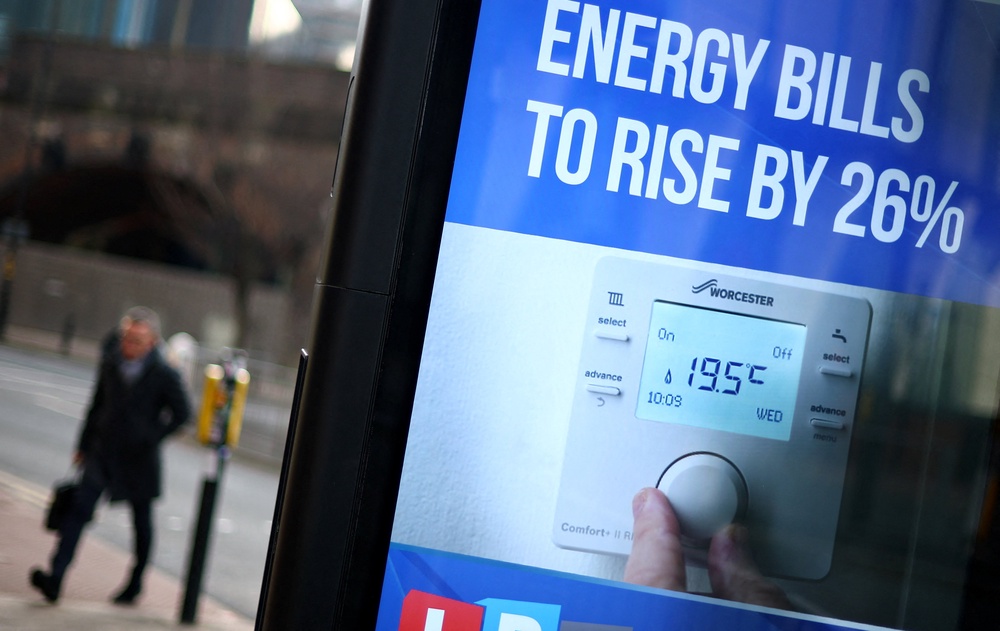
“The other choices are a tracker tariff, which is a bit like a variable tariff. It might offer you a saving, for example, £50 off compared to the current price cap. Or you can opt for a fixed-rate tariff, which locks in unit prices and standing charges for a set period, typically 12 to 24 months.”
Price comparison sites can also help customers identify better rates by comparing their current tariff against available options.
“Switching to a fixed rate won’t always be the cheapest option as it depends on what you think is going to happen to gas and electricity prices, but the expectation is that it’ll be rising for at least the next quarter, so fixing for 12 months may be sensible,” Kloet advised.
2. Take a meter reading and switch to direct debit
Whether you’re on a smart meter or not, taking regular meter readings will make sure you’re not paying estimated bills and you’ll avoid inaccurate billing when price caps change.
“Submitting a gas meter reading will also stop your supplier from over or under-billing you,” Kloet explained.
“You definitely want to submit a meter reading before the next price cap, particularly if you’re not on a fixed-rate tariff.”
He added that regularly sending readings can help with budgeting.

“You might increase your direct debit to pay off future rising bills, or you might be in credit, and want to reduce it,” Kloet said.
In addition, paying your energy bill by direct debit could save you a significant amount of cash a year.
“If you are paying on receipt of a paper bill you will be paying a premium and you should just switch to direct debit to save cash,” Kloet advised.
3. Use smart technology to manage energy use
Smart meters help you save money by providing real-time data and removing guesswork from your energy bills.
“You can check if you have a smart meter by looking for a digital display, otherwise it will have dials,” Kloet said.
“If you do have a smart meter, many energy firms have an app to help you track usage where you can log in, and it will show how much you’re using in a simple graph format.
“A smart energy monitor can also help you track real-time consumption and identify specific appliances that are wasting energy.”
The vast majority of energy customers are on flat-rate tariffs, which means they pay the same unit price regardless of time of day. However, some households can still access the two-rate meter, known as Economy 7.
“Check your energy bill and if it has two meter readings on it, that means you can use the cheaper off-peak rate,” Kloet advised.
4. Optimise boiler and thermostat settings
In most homes, central heating is the most significant household energy expense.
“Keeping your thermostat between the recommended range of 18-21C, turning off heating in unused rooms, setting working radiators between 2-3 on the dials, and adjusting boiler flow temperatures on the boiler can all significantly reduce costs,” Kloet said.
After heating, cooking is the next most expensive.
“Using air fryers or microwaves instead of ovens, switching to LED bulbs, not forgetting your Christmas lights, and avoiding standby power can save money,” highlights Kloet. “Even boiling just the amount of water needed in a kettle can save cash.”
He also recommended closing the curtains as soon as it gets dark.
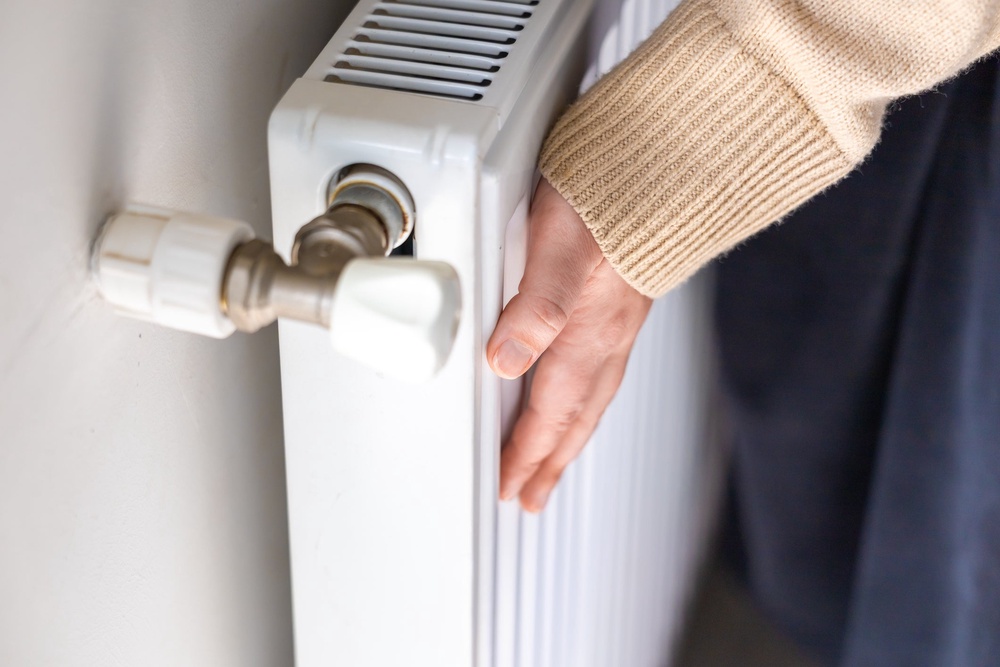
“If you’ve got a radiator under your window, and most people do, and you have Venetian blinds, point the blinds upwards so the heat that’s rising is reflected into the room,” Kloet recommended.
“Also reflectors behind radiators direct heat back into the room instead of being absorbed into the wall.”
5. Check if you’re eligible for financial support
Beyond the freshly announced £100 Household Energy Payment, the Warm Home Discount gives a £150 discount on the electricity bill for those who meet the required benefit and household criteria.
In England, customers can access the Crisis and Resilience Fund for emergency cash and fuel vouchers.
In Wales, emergency grants are available from the Welsh Government Discretionary Assistance Fund, and the Scottish Welfare Fund in Scotland.
You can check what benefits you’re entitled to on MoneyHelper or on Turn2us benefits calculator.
6. Contact your energy supplier for help
Many people worry about getting into debt with their energy bill, but it’s important nobody puts themselves at risk by turning their heating off, or ignores mounting bills.
“If you’re worried about your energy bill, I can’t over-stress how important it is to speak to your energy supplier. They will do their absolute utmost to help you get back up to date – they don’t just cut people off,” says Kloet.
“Normally they give you a repayment plan that would allow you to recover the debt over the period in which it accrued. And some energy suppliers also have crisis and hardship funds.”
7. Register for extra support if you’re vulnerable
The free nationwide priority services register provides extra support for vulnerable individuals who are of state pension age, with a disability or chronic illness, mental health condition, pregnant or has children under five.
“If there’s any vulnerability in your property, sign up to the priority services register with the utility supplier,” Kloet said.
“While it doesn’t directly lower bills, it means that if anything happens to their supply or help is needed with meter readings, they will be prioritised over somebody who is fit and able.”
Read MoreCost of Burnham’s EU deal will be in ‘the low tens of millions’, officials say
The UK is retreating from tackling the causes of conflicts – making wars more likely
Banks may pass £1.5bn tax hike on to customers, Bank of England chief warns
Met Office explains how UK’s winters are drastically changing
Energy firm Centrica warns hundreds of jobs at risk after government rejects deal
How PIP and other benefits could change for millions under Labour’s welfare options