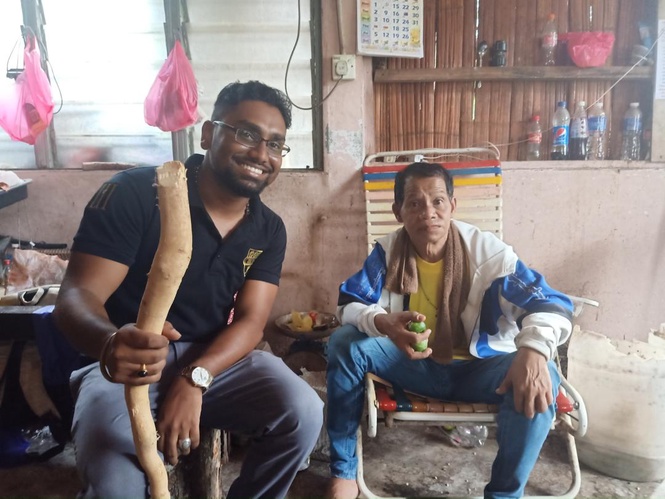
The Orang Asli, the indigenous people of Peninsular Malaysia, have been the custodians of an ancient cultural heritage that is deeply rooted in nature. Their traditional healing practices go far beyond modern medicine, blending spirituality, nature, and community. Central to their mystic healing traditions are the shamans, or Tok Pawang, who serve as both healers and spiritual guides for the community. Their profound knowledge of the forest, medicinal herbs, and spiritual rituals provides a fascinating window into the mystical world of the Orang Asli.
In Orang Asli culture, the shaman, often referred to as the Tok Pawang or Bomoh, holds a crucial role as the intermediary between the natural and the supernatural worlds. These spiritual leaders are revered not only for their ability to heal physical ailments but also for their capacity to communicate with the spirits of the forest. They draw upon the wisdom passed down through generations, utilizing rituals, chants, and medicinal plants to restore harmony and health within the community.
The Tok Pawang is considered a bridge to the unseen—a conduit to the spiritual forces that influence every aspect of life. Their healing sessions often combine prayer, invocation, and herbal medicine, and their success depends largely on the belief and trust of the patient and the community. The practice is an intricate blend of spirituality, psychology and natural science, where the shaman’s role goes beyond healing to include the safeguarding of cultural traditions and rituals.
The healing practices of the Orang Asli are deeply embedded in their spiritual beliefs. The Tok Pawang draws on the power of Tongkat Ali, Kacip Fatimah, and other potent herbs, which are harvested from the rainforest and prepared with great care. For the Orang Asli, every plant has a spirit, and these spirits must be approached with respect. The use of medicinal plants is always accompanied by rituals and offerings to honor the spirits and request their assistance.
A significant part of the healing process involves spiritual cleansing, which aims to rid the patient of negative energies or malevolent spirits that may be causing illness. The Tok Pawang often performs these rituals at dawn or dusk, times when they believe the veil between the physical and spiritual worlds is thinnest. The rituals include rhythmic chanting, drumming, and sometimes the use of incense made from forest resins to create a sacred space.
One of the most interesting aspects of Orang Asli healing is the use of trance states. During a healing ceremony, the Tok Pawang may enter a trance, believed to be induced by chanting or drumming, allowing them to communicate directly with spirits. Through this communication, they may receive insights into the root cause of an illness—whether it is a physical ailment or a spiritual imbalance—and determine the appropriate treatment.
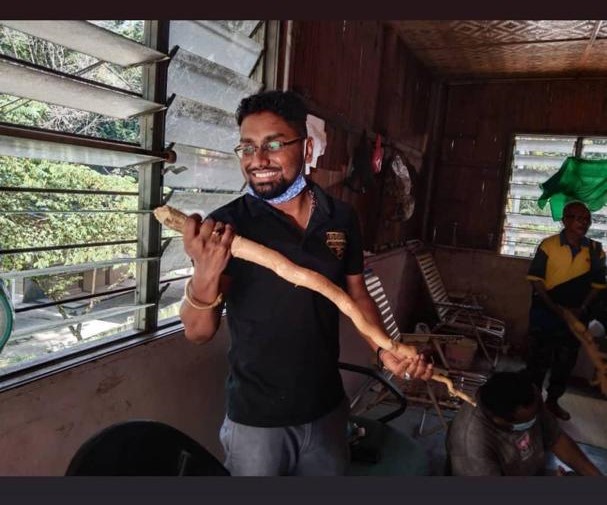
Tongkat Ali, known scientifically as Eurycoma longifolia, is one of the most famous medicinal plants used by the Orang Asli. Often referred to as “Malaysian Ginseng,” this powerful root is traditionally used to boost energy, improve vitality, and even treat ailments like fever and infections. The Tok Pawang may prescribe Tongkat Ali for a variety of conditions, believing that its potency comes not only from its chemical properties but also from its spiritual essence. The process of harvesting Tongkat Ali involves specific rituals and prayers to ensure that the spirit of the plant is respected and that its healing powers are fully realized.
Other herbs, such as Kacip Fatimah and Serapat, are also used, particularly for women's health. These herbs are prepared through a meticulous process that involves boiling, grinding, and sometimes mixing with other plant extracts. The Orang Asli understand that these plants carry life force, or semangat, and it is this life force that contributes to the healing process.
For the Orang Asli, illness is not always seen as purely physical—it is often regarded as a manifestation of imbalance within the individual, the community, or even between humans and nature. The healing rituals led by the Tok Pawang are therefore community events, where family members gather to support the patient. This communal aspect of healing is essential, as it reinforces the bonds between people and fosters a sense of unity and collective well-being.
The healing ceremony itself is a powerful experience that combines the elements of nature, spirituality, and human connection. The chants and prayers of the Tok Pawang are believed to invoke the spirits of the forest, ancestors, and deities, calling upon their help to restore health and balance. The shaman’s ability to communicate with these spirits is seen as a divine gift, and the entire community plays a part in affirming the healing power through their faith and participation.
Despite the availability of modern medicine, the Orang Asli continue to rely on their traditional healing practices. These practices are not simply a fallback for those without access to healthcare; instead, they represent a holistic understanding of health that incorporates mind, body, and spirit. For many Orang Asli, the intervention of a Tok Pawang is considered necessary even when seeking modern medical treatment, as they believe that the underlying spiritual causes of illness must also be addressed.
The role of the Tok Pawang remains vital in a rapidly changing world. The Orang Asli’s connection to the forest, their respect for nature, and their unique understanding of health and wellness are increasingly gaining interest from outsiders. Ecotourists, researchers, and wellness seekers are drawn to these mystical practices, fascinated by the integration of spiritual wisdom with natural remedies.
However, this growing interest also poses challenges, as commercialization and cultural appropriation threaten the authenticity and sacredness of these practices. The Tok Pawang and their communities must navigate the complexities of preserving their cultural heritage while sharing their knowledge in a respectful manner.
The shamanistic practices of the Orang Asli offer a compelling insight into a world where health is viewed as a balance between physical, spiritual, and communal elements. The Tok Pawang, as healers, counselors, and spiritual guides, embody the deep connection between humanity and nature that defines Orang Asli culture. Their mystic healing methods go beyond the physical realm, reminding us that true well-being encompasses the body, mind, and spirit.
In a time when many are seeking alternatives to purely clinical approaches to health, the Orang Asli's traditions provide a powerful reminder of the importance of harmony with nature and the strength of community support in the healing process. Their knowledge, passed down through generations, is not just about curing ailments—it is about nurturing a way of life that honors the interconnectedness of all beings.
Laguvendran Sandran is a content creator under the Newswav Creator programme, where you get to express yourself, be a citizen journalist, and at the same time monetize your content & reach millions of users on Newswav. Log in to creator.newswav.com and become a Newswav Creator now!
The User Content (as defined on Newswav Terms of Use) above including the views expressed and media (pictures, videos, citations etc) were submitted & posted by the author. Newswav is solely an aggregation platform that hosts the User Content. If you have any questions about the content, copyright or other issues of the work, please contact Newswav.