The COVID-19 pandemic of 2020 changed the world in ways we couldn’t have imagined. As governments scrambled to contain the virus, the global race for a vaccine became a matter of life and death. With millions of people forced to roll up their sleeves and take whatever vaccine was made available, the hope was that this would be the key to returning to normal life. Yet, with each passing month, more data began to surface, revealing that vaccines may have more effects than we initially understood.
Now, a new revelation has emerged, raising serious concerns about a potential side effect that was not widely discussed. Could one of the world’s most used vaccines be causing unexpected damage to our eyes? A recent study has uncovered alarming evidence suggesting that a popular COVID-19 vaccine, which was administered to millions across the globe, might be linked to eye damage - possibly leading to vision loss.
The unsettling discovery has left many asking the same question: could the very vaccine that was hailed as a savior of the pandemic also be causing hidden harm to those who trusted it most? With so much focus on preventing COVID-19, is the long-term impact of these vaccines being overlooked? People who believed they were taking a step toward safety now face new fears about the consequences of their decision.
This new research into the Pfizer vaccine is especially disturbing because it touches on something as vital as our vision. As the world grapples with vaccine safety, this finding adds another layer of uncertainty. What is the full extent of the risk and how many people have unknowingly been affected? Could this discovery be just the tip of the iceberg?
Recent research has raised concerns that the Pfizer-BioNTech COVID-19 vaccine may increase the risk of eye damage, potentially leading to vision loss. A study conducted in Turkey specifically focused on how the vaccine affects the cornea, the transparent outer layer of the eye responsible for allowing light to pass through. The study measured changes in the cornea’s inner layer, the endothelium, before participants received their first vaccine dose and two months after the second dose.
The findings revealed that after both doses of the vaccine, the corneas became thicker, and there was a noticeable decrease in the number of endothelial cells. Additionally, the size of these cells showed more variation. Though participants did not report immediate vision problems during the study, the long-term effects of these changes remain unclear. In the short term, these alterations suggest the vaccine might temporarily weaken the endothelial layer but further research is required to determine if the effects persist over time.
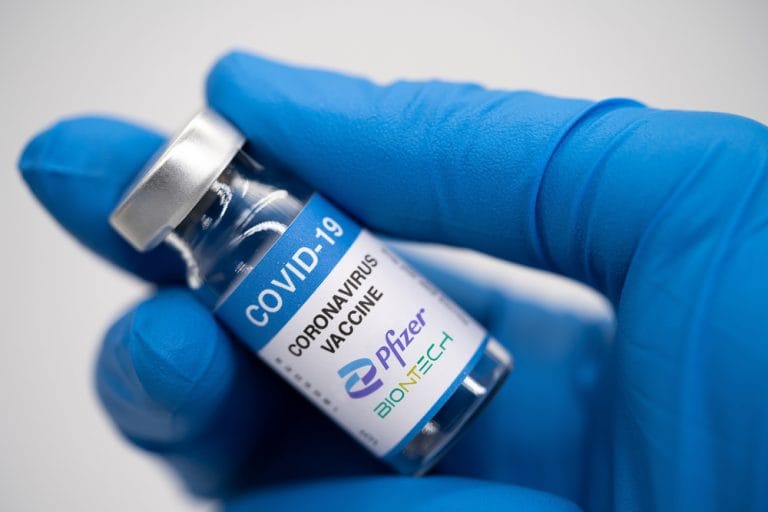
For people with healthy eyes, these changes are unlikely to cause immediate vision problems. However, if these effects endure, they could lead to corneal swelling, blurry vision, or more severe complications, particularly in individuals with pre-existing eye conditions or those who have had cornea transplants. Conditions like corneal edema, bullous keratopathy, or corneal decompensation can cause permanent vision loss, especially if left untreated.
The research, published in Ophthalmic Epidemiology, emphasized the need for caution in people with a low endothelial cell count or those who have had a corneal transplant. The endothelium plays a crucial role in maintaining corneal clarity by regulating fluid balance. A decrease in endothelial cell count can lead to corneal damage and vision impairment. To assess this, doctors use specular microscopy, a specialized technique for counting endothelial cells, to evaluate eye health.
The study also found that the Pfizer vaccine caused a small but measurable increase in corneal thickness of about 2%, rising from 528 micrometers to 542 micrometers. While such a change may not cause harm immediately, persistent thickening of the cornea over months or years could reduce its clarity and impact vision. This temporary thickening might result from inflammation or minor stress, but long-term effects are still unknown and require further investigation.
Additionally, the research showed a reduction in the average number of endothelial cells per square millimeter, with a decrease from 2,597 to 2,378 cells. Though this drop of around 8% is not immediately alarming for most people, it could pose a risk for individuals with pre-existing eye issues. People who have had eye surgeries, infections or conditions like Fuchs’ dystrophy may be more vulnerable to this cell loss.
The variation in the size of the endothelial cells also increased, which could indicate stress on the cornea. Under normal circumstances, endothelial cells are hexagonal, tightly fitting together like a honeycomb to maintain corneal health. After vaccination, the proportion of cells maintaining this healthy shape dropped from 50% to 48%, suggesting the vaccine might be inducing some form of stress or inflammation in the eye.
The research team conducted the study on 128 eyes or 64 participants, measuring corneal thickness and the health of endothelial cells before the vaccine and following up approximately 75 days after the second dose. They used advanced imaging techniques to measure changes in the cornea and its cells. Despite these early findings, the team does not recommend halting vaccination but stresses the need for further long-term studies to fully understand the implications.
The results of this study add to the growing body of research into the potential side effects of COVID-19 vaccines. The U.S. Food and Drug Administration (FDA) has already expanded warning labels for Pfizer and Moderna vaccines to include risks of heart damage, including myocarditis and pericarditis, particularly among younger men. These new eye-related concerns highlight the importance of ongoing surveillance and research into vaccine safety.
Given the complexity of these potential risks, further investigations are necessary to determine the long-term effects of the Pfizer vaccine on eye health, particularly in individuals who may already be at risk due to other factors. With continued monitoring, researchers aim to provide a clearer understanding of how these changes may impact public health over time.
Aaron Colt (aaronafter@hotmail.com) is a content creator under the Newswav Creator programme, where you get to express yourself, be a citizen journalist, and at the same time monetize your content & reach millions of users on Newswav. Log in to creator.newswav.com and become a Newswav Creator now!
The User Content (as defined on Newswav Terms of Use) above including the views expressed and media (pictures, videos, citations etc) were submitted & posted by the author. Newswav is solely an aggregation platform that hosts the User Content. If you have any questions about the content, copyright or other issues of the work, please contact creator@newswav.com.