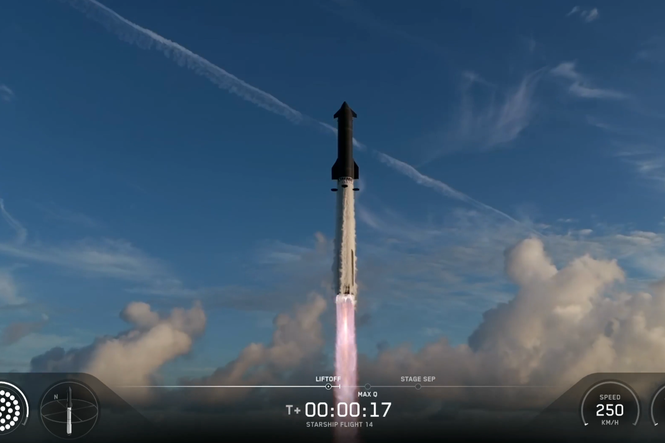
SpaceX has launched the world’s most powerful rocket into orbit for the first ever time.
Elon Musk’s private space company is conducting its 14th test flight of Starship, with the mission launching at 7.48am local time (1.48pm in the UK)
Starship lifted off from SpaceX’s “Starbase” facility in Texas and suffered an engine failure that put its trip into orbit in doubt. But SpaceX continued on its plan to reach orbit and deployed 26 Starlink space internet satellites.
Originally set to last 10 hours, the mission was cut down to just three. Splashdown is now set for the North Pacific Ocean at around 5pm UK time.
It is seen as a major test both of SpaceX’s future plans and its role in helping Nasa return to the Moon and then onto Mars.
The whole launch is available to watch online and covered in detail on The Independent. Follow below for all the latest on the launch – and what it means for our plans to head into space.
Key points
- SpaceX launches Starship to orbit for first time – before it explodes in the ocean
- How to watch today's Starship launch
- What would be considered a success?
- What to expect from today's Starship test flight
Starship launch live stream
13:21 , Anthony CuthbertsonThe official live stream for Starship Flight 14 is underway. You can watch it here:
Starship’s 14th flight is set to launch on Monday, Sept 28. The 75-minute launch window opens at 7:15 a.m. CT. Live coverage of the mission starts ~35 minutes before launch → https://t.co/uQKQvgaTmJ
— SpaceX (@SpaceX) September 27, 2026
SpaceX shares video of landing – with a notable omission
17:19 , Andrew GriffinSpaceX has shared video from its official feed of the splashdown of Starship. But it notably cuts out after the spacecraft has landed in the ocean – it was a couple of seconds later that it then blew up.
Splashdown confirmed. Congratulations to the entire SpaceX team on the first orbital flight of Starship! pic.twitter.com/urjmiwnvNl
— SpaceX (@SpaceX) September 28, 2026
SpaceX launches Starship to orbit for first time – before it explodes in the ocean
17:10 , Andrew GriffinHere’s our full story on today’s missions – both its successes and its dramatic failures.

SpaceX’s Starship dramatically explodes after first orbital trip
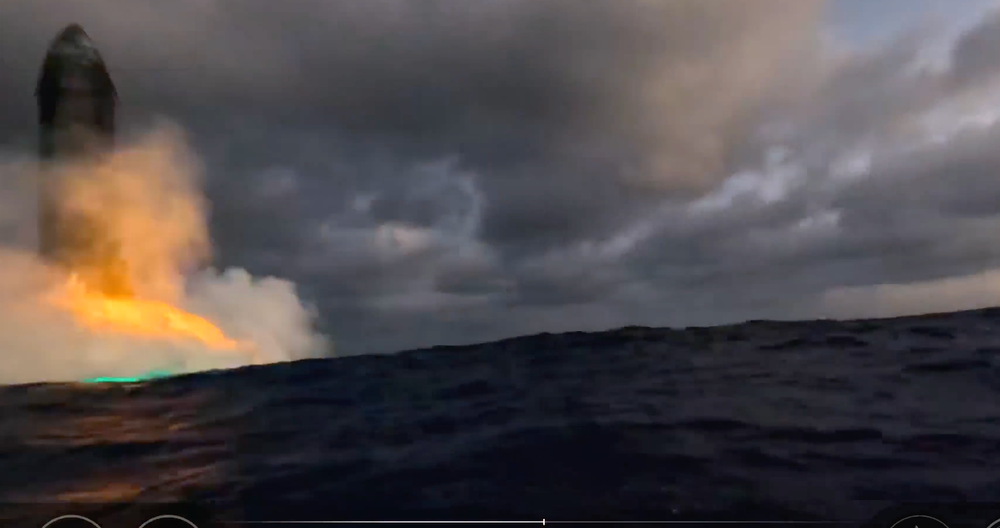
Starship lands in the water – and then blows up
16:59 , Andrew GriffinStarship has dropped into the ocean. It all seemed to go well – and then it appeared to explode. (Some parts appeared to still be together even after the explosion, on the live feed taken by the team that will recover it from their ship.)
Starship goes 'transonic' and then subsonic
16:57 , Andrew GriffinAs the spacecraft has slowed down on its way down to Earth, it has gone “transonic”. That means it is moving around the speed of sound (some of the air around Starship is above that speed, and some is below it.)
Now it is subsonic, and falling back towards the Earth. Which looks beautiful, stretched under the spacecraft, on the live feed.
Starship enters its 'peak heating'
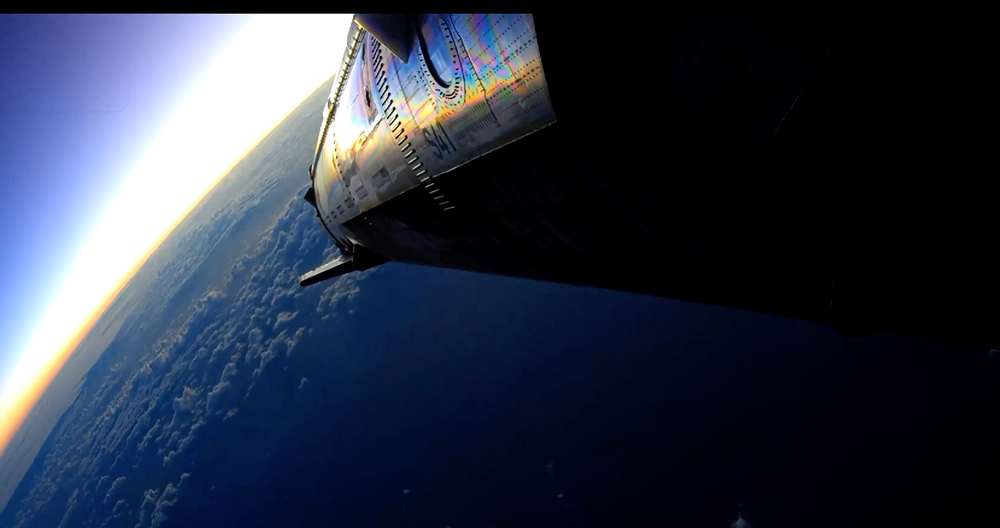
16:48 , Andrew GriffinAs it falls back down to Earth, Starship has to fly through Earth’s atmosphere, getting dangerously hot as it does so. It’s now passing through that hottest bit of the re-entry – and we’re continuing to get beautiful pictures of it as it does.
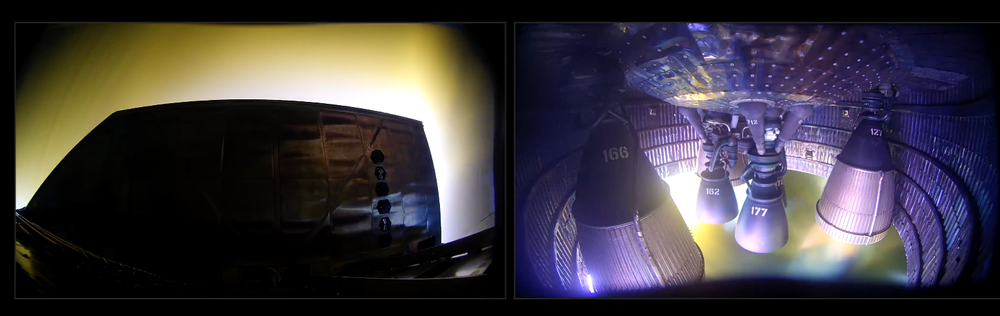
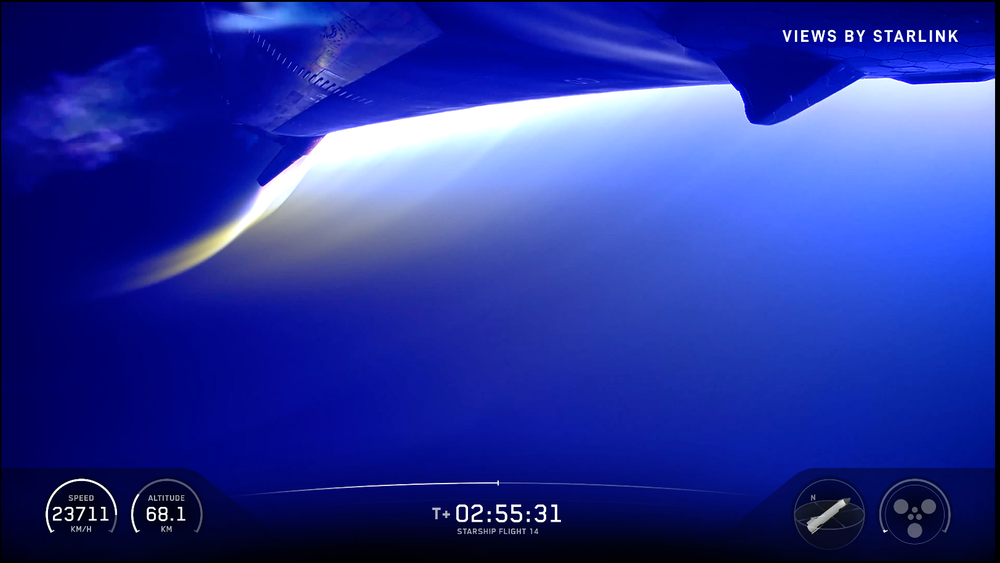
Starship reenters the atmosphere
16:38 , Anthony CuthbertsonWe’re getting some other-worldly colours from the onboard cameras as Starship reenters the Earth’s atmosphere.
It is slowing down, slowly, and is now officially below the Kármán line, which is widely considered the edge of space.
Starship is reentering the atmosphere pic.twitter.com/fvWq4NwD23
How the last Starship splashdown went
16:24 , Anthony CuthbertsonIn July, SpaceX successfully returned a Starship rocket from a suborbital trajectory for the first time. Today will be the first time it’s ever been attempted from an orbital flight path.
Here’s a reminder of how July’s splash down looked. It’s worth watching the video - no matter how many times I see it, it still looks like CGI/ AI.
Landing burn and splashdown of Starship on Flight 13 pic.twitter.com/I1BWnGKpPo
— SpaceX (@SpaceX) July 28, 2026
Updated timeline for Starship mission
16:17 , Anthony CuthbertsonGoing off SpaceX’s original flight plan for the 10-hour mission, I’ve calculated roughly when we can expect each of the next key stages of today’s Starship test if splashdown is now scheduled for 3 hours and 8 minutes after lift off.
It should go something like this (descriptions provided by SpaceX):
02:46:00 - Starship entry
03:05:00 - Starship is transonic
03:05:37 - Starship is subsonic
03:07:41 - Landing burn start
03:07:43 - Landing flip
03:07:51 - Landing burn 3 to 2 engines
03:07:58 - Landing burn 2 to 1 engine
03:08:00 - An exciting landing!
Starship begins deorbit
16:04 , Anthony CuthbertsonStarship has begun its deorbit by performing what is referred to as a retrograde burn.
“Starship is heading home, it is heading towards the ocean,” SpaceX says.
Next up will be re-entry into Earth’s atmosphere in around 30 minutes.
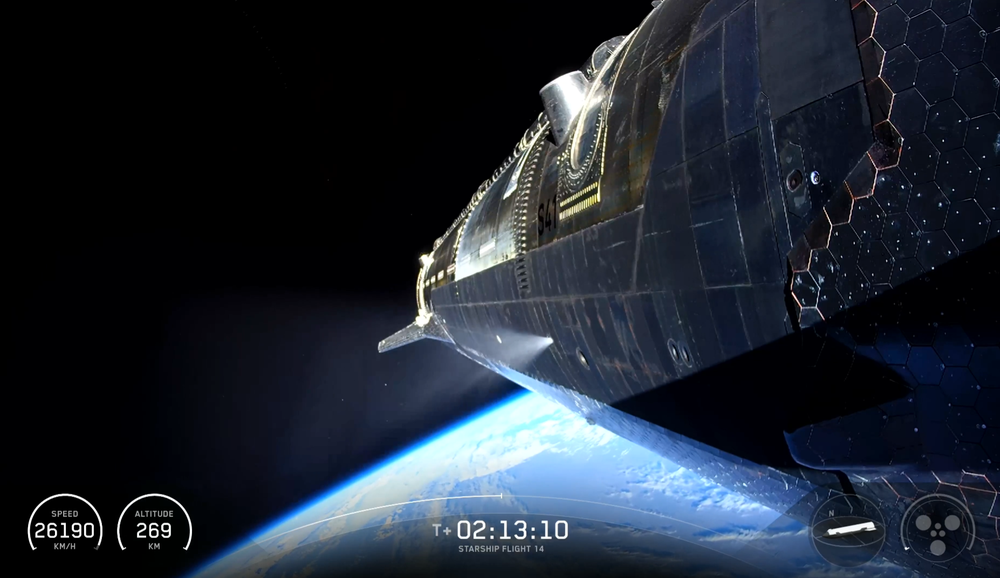
Starship prepares for deorbit burn
15:49 , Anthony CuthbertsonIf you’re still watching SpaceX’s live stream, you may have spotted something happening with the engines just now. There’s no more commentary on the feed, though fortunately the social media team has more info on what that was.
Starship is preparing for its deorbit burn pic.twitter.com/431iz2S60G
— SpaceX (@SpaceX) September 28, 2026
SpaceX shortens mission
15:23 , Anthony CuthbertsonSpaceX has decided to cut the mission down from 10 hours to just three. That means splashdown will now take place in about 1.5 hours and will take place in a pre-cleared area of the northern Pacific rather than the southern Pacific Ocean.
Despite not reaching six orbits of the planet, it will still make it around Earth nearly twice and will be the longest Starship flight test ever.
Even with the setback, SpaceX described it as a “wildly successful day so far”.
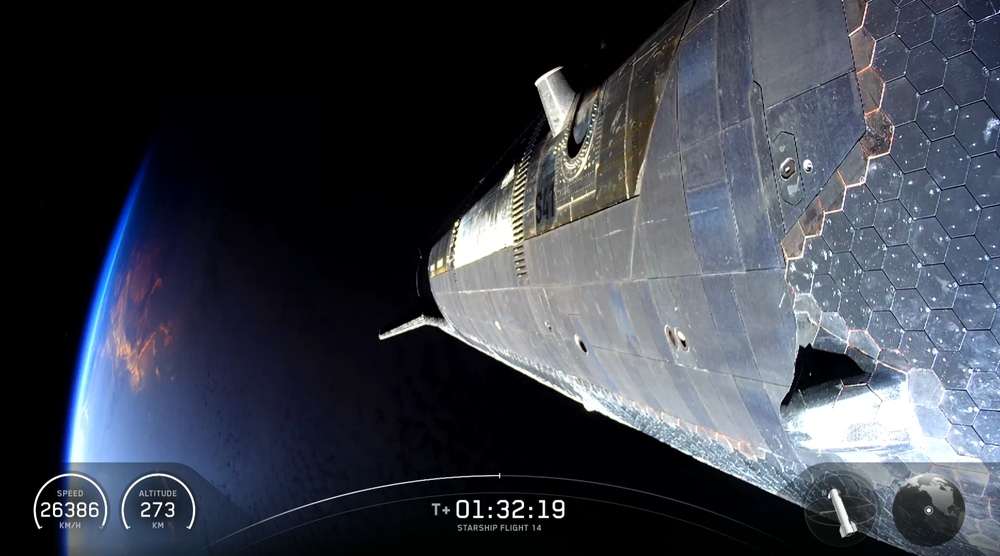
Elon Musk confirms all Starlinks are operational
15:15 , Anthony CuthbertsonSpaceX CEO Elon Musk has confirmed that all 26 Starlink V3 satellites that were just deployed to orbit are “operating nominally”.
That presumably means that they are sending signals back to Earth, as they are not set to join the Starlink network officially for another few weeks. Once they are in the correct orbit, they will increase the capacity of the space internet network, which already has more than 11,000 satellites in its constellation.
All 26 Starlink V3 operational satellites deployed and operating nominally https://t.co/TTl9dCkTdX
— Elon Musk (@elonmusk) September 28, 2026
Starlink payload deployment complete
15:02 , Anthony CuthbertsonSpaceX has successfully deployed all 26 of the Starlink V3 satellites to orbit.
It’s just over an hour into today’s flight test, and Starship is currently flying over South East Asia. There’s still six orbits of the planet until it attempts to return to Earth, and not much will be happening now for a while.
It will be almost eight hours before the next mission milestone, which will the start of the deorbit burn over the Pacific Ocean.
Watch Starship reach orbit for the first times
14:37 , Anthony CuthbertsonSpaceX has shared a video clip showing Starship performing its orbital insertion burn to enter Earth’s orbit for the first time.
The failed engine on Starship’s upper stage could still cause issues later on in the mission, though SpaceX hasn’t given any update on this yet. We might only find out how serious a problem it is when Starship attempts to leave orbit in eight hours time.
Starship performs its orbital insertion burn and enters orbit of Earth for the first time pic.twitter.com/LodrSTnEnl
— SpaceX (@SpaceX) September 28, 2026
Starship heads over the Indian Ocean
14:34 , Anthony CuthbertsonRoughly 45 minutes after launch, Starship has already crossed the Atlantic Ocean, skimmed the southern tip of Africa, and is now heading out over the Indian Ocean.
This is usually the splashdown zone for the suborbital missions, but there’s still another nine hours left of this mission.
As I type, the seventh Starlink pops out.
Starlink satellites continue to deploy
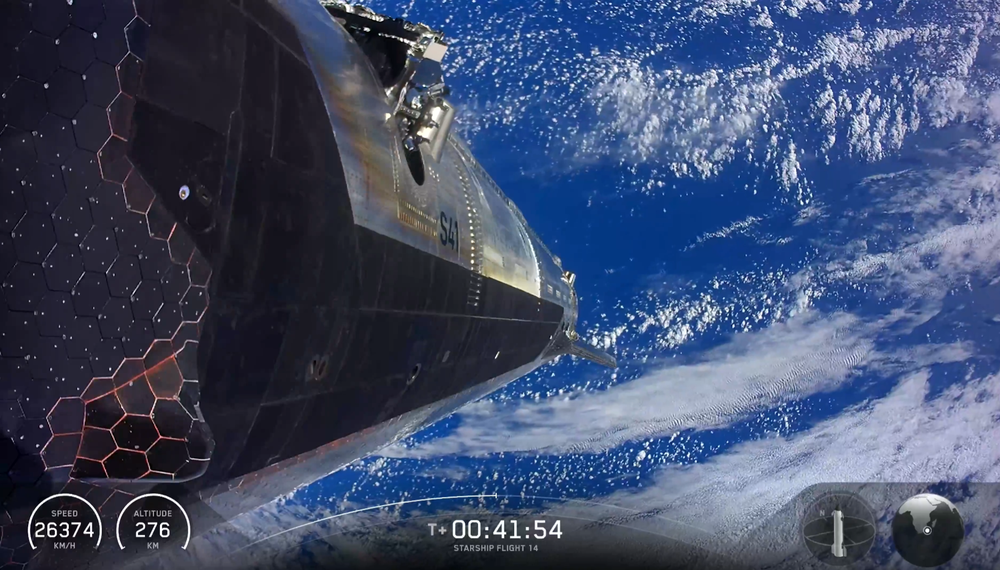
14:30 , Anthony CuthbertsonFive of the 26 Starlinks have now deployed to orbit, with each one popping out of the hatch receiving a big cheer from the SpaceX ground crew.
The first two in orbit are already sending signals back to Earth, so it appears to be a successful mission so far in terms of satellite deployment.
First Starlink satellite deploys
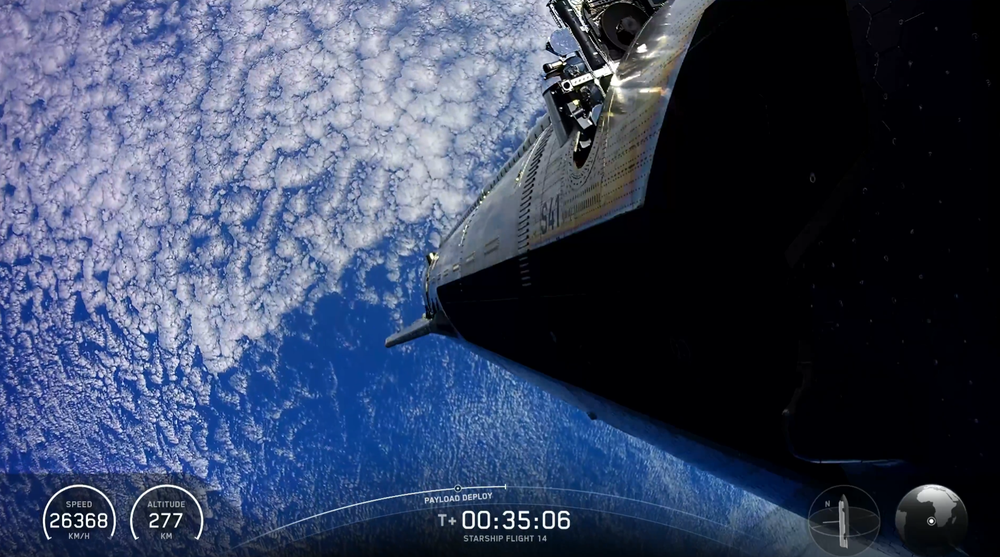
14:27 , Anthony CuthbertsonStarship has deployed the first of 26 Starlink V3 satellites. The next 25 should pop out over the next 30 minutes.
These are the first operational Starlink satellites to make it to orbit aboard a Starship rocket, and will help rapidly expand the space internet network.
You can see the first Starlink satellite coming out of the hatch at the top of the image here:
Starship is orbital
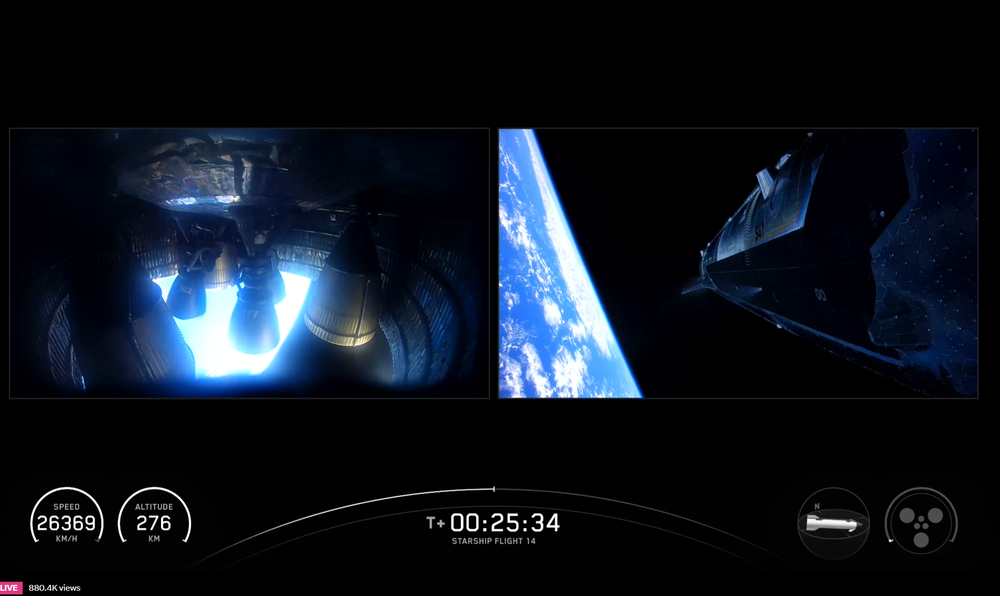
14:17 , Anthony CuthbertsonStarship has made it to orbit! The engine burn was successful, marking a huge milestone for SpaceX. It is the first time the world’s biggest and most powerful rocket has made it into orbit.
Next step will be getting 26 Starlink V3 satellites into orbit.
'We are go for orbit'
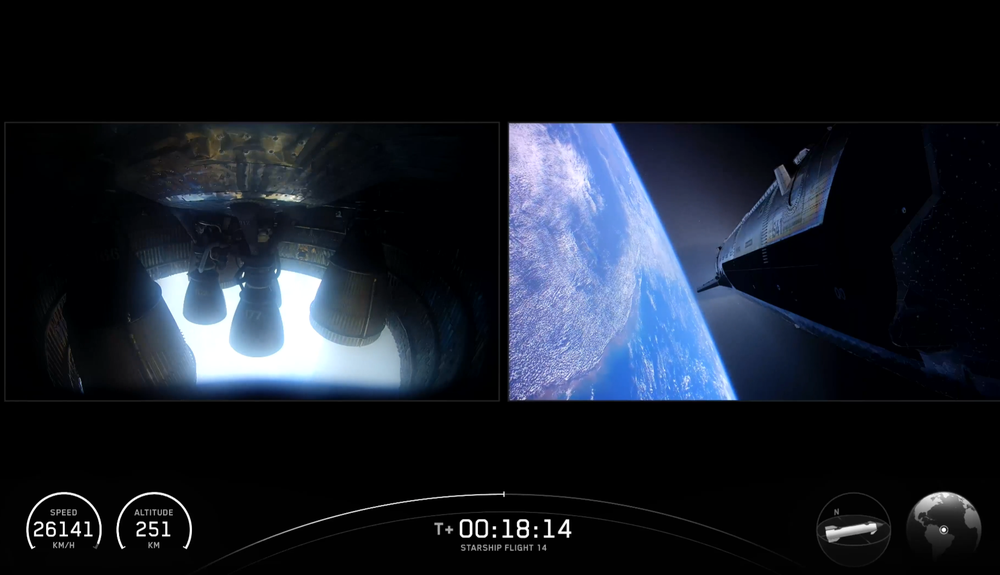
14:13 , Anthony CuthbertsonSpaceX has changed its mind - it is now going to attempt to send Starship to orbit, even if one of its engines has failed.
“We are go for orbit,” SpaceX says.
The news gets big cheers from the SpaceX ground crew.
Starship is going to coast through space for a few more minutes before the orbital burn is attempted. If successful, the next big step will be deploying the Starlink satellites into orbit.
SpaceX to make 'go/ no go' decision for orbital mission
14:06 , Anthony CuthbertsonThe engine failure might not prevent Starship from reaching orbit. We’re just waiting to hear the final decision from SpaceX...
BREAKING: Starship not heading to orbit
14:01 , Anthony CuthbertsonDue to that engine going out, SpaceX is no longer planning to send Starship to orbit.
“We are not going to do the additional burn that will send us into orbit,” SpaceX says.
Super Heavy booster splashes down
14:00 , Anthony CuthbertsonThe Super Heavy booster has splashed down in the Gulf of Mexico after separating from the upper stage Starship rocket.
It was a “fairly soft” splashdown, according to the SpaceX team, meaning it didn’t explode as soon as it hit the water.
One of the Starship engines has failed, though it’s continuing its mission to orbit. “We need to check in and see what exactly that means for the rest of the mission here,” SpaceX says.
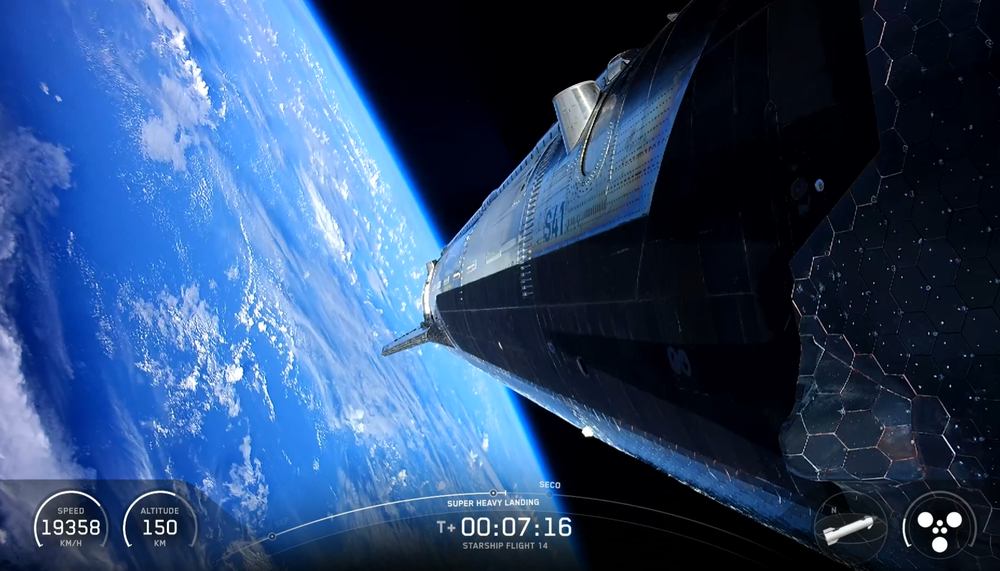
Stage separation complete
13:53 , Anthony CuthbertsonThe upper stage has successfully separated from the Super Heavy booster.
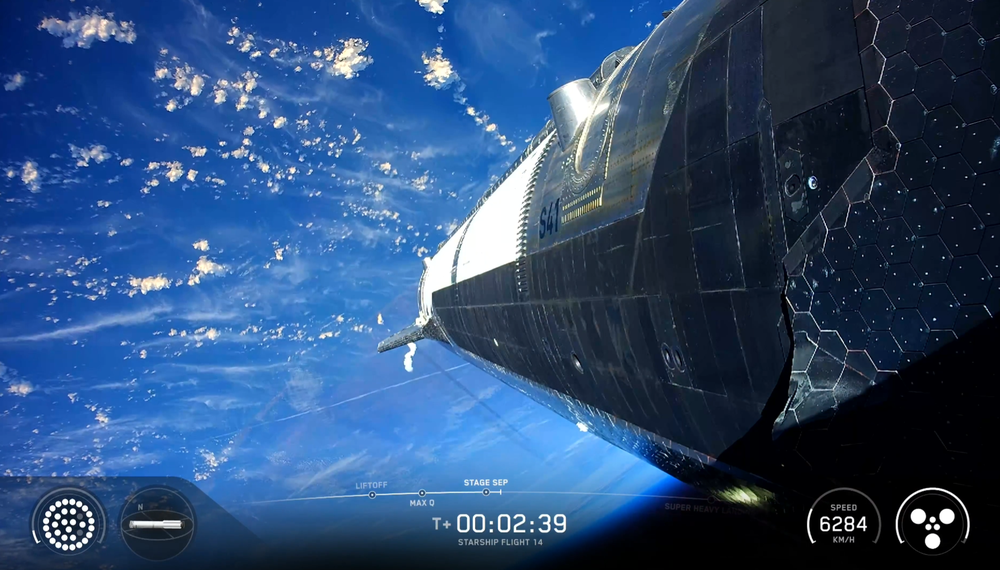
One engine fails
13:52 , Anthony CuthbertsonOne of the 33 engines on the Super Heavy booster has failed, but everything is looking good. Next big step is the separation of the upper stage Starship rocket.
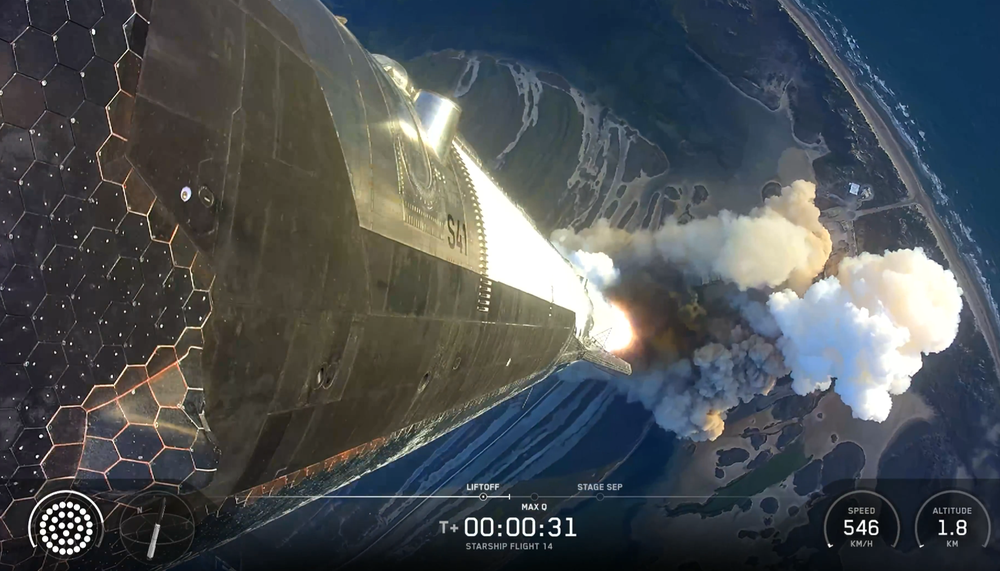
Starship lifts off!
13:50 , Anthony CuthbertsonWe have lift off!
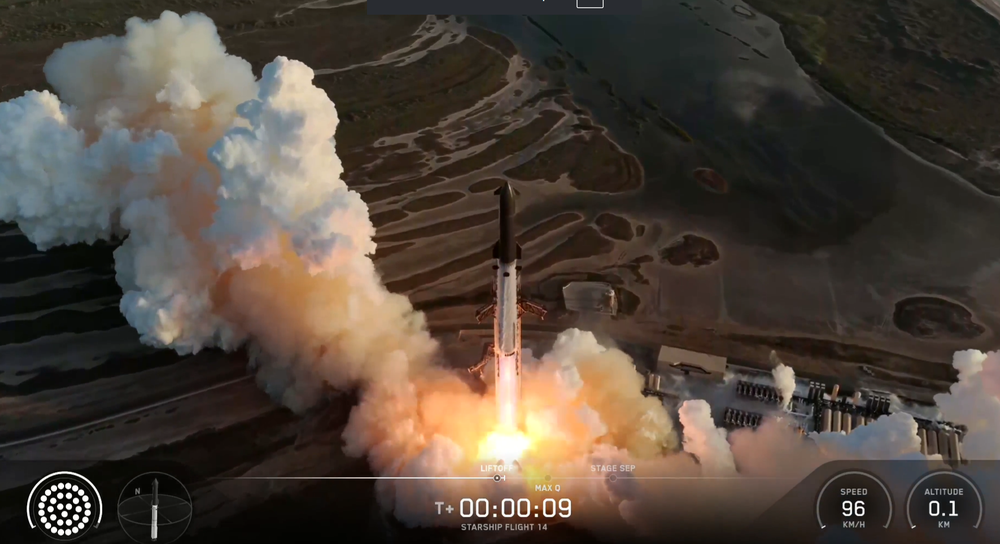
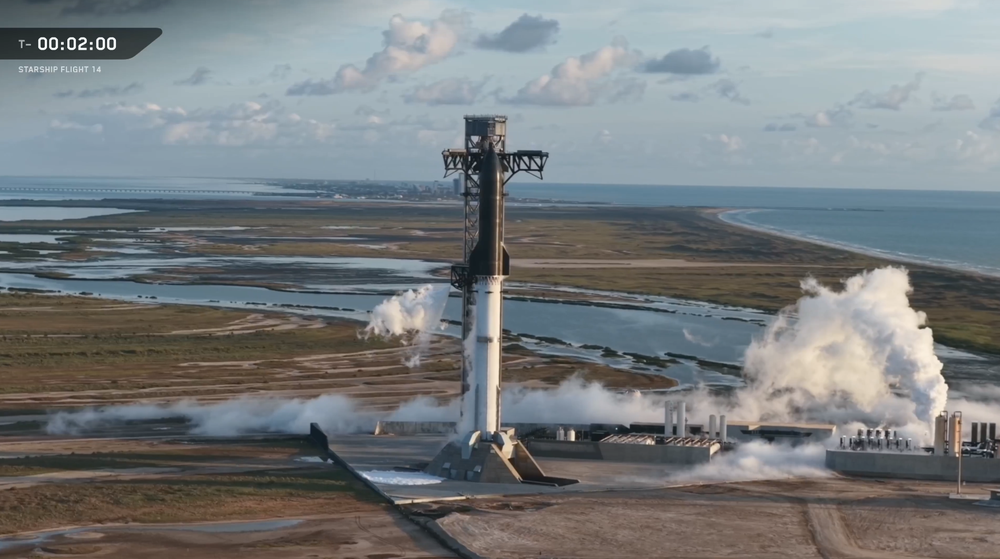
T-minus 2 minutes
13:47 , Anthony CuthbertsonJust two minutes to go until the world’s biggest and most powerful rocket attempts to make it to orbit for the first time.
SpaceX's future Starship plans
13:45 , Anthony CuthbertsonSpaceX’s live stream is currently running a segment on the firm’s plans to build a mega facility in Louisiana to launch Starships from.
“We’re preparing to build a spaceport that, until now, has only existed in science fiction,” Elon Musk said. “SpaceX was founded to bring about a future where humans are out exploring amongst the stars, which will only be possible when we make going to space as routine as flying on an airplane.”
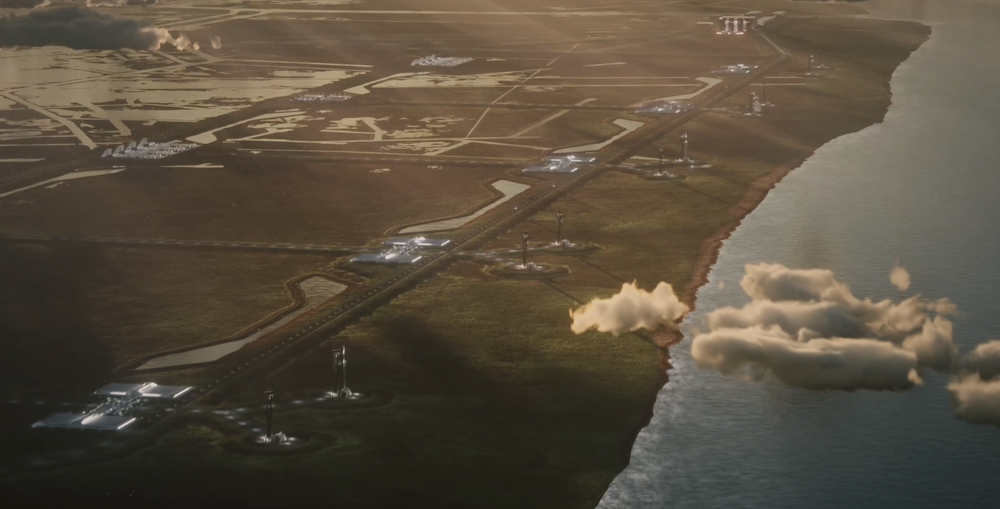
You can read more about it here:

Elon Musk’s plan to launch rockets to space from Louisiana divides locals
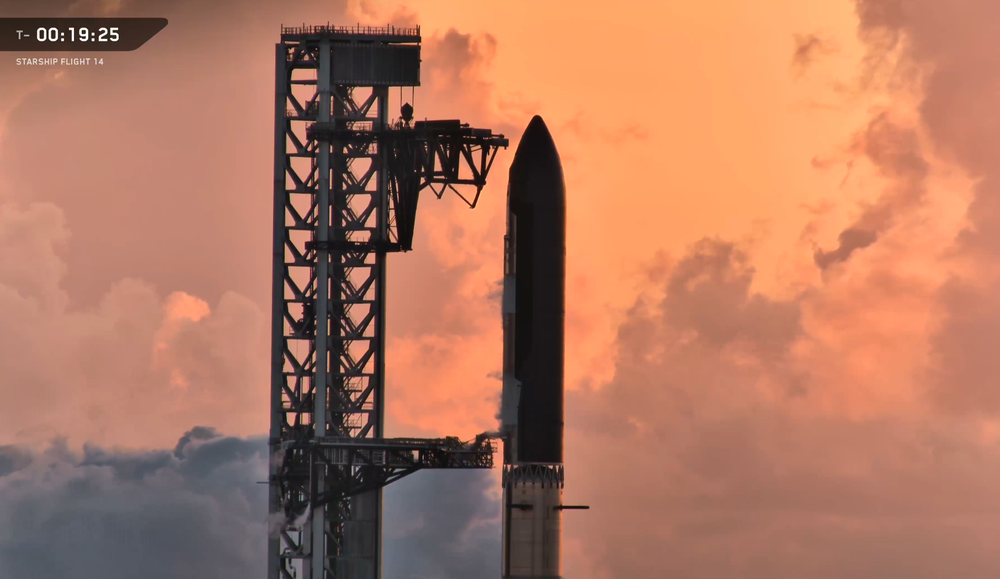
Sun rises over Starship launch site
13:35 , Anthony CuthbertsonThe Sun is just beginning to rise over SpaceX’s Starbase facility in southern Texas. Less than 15 minutes to go now until launch.
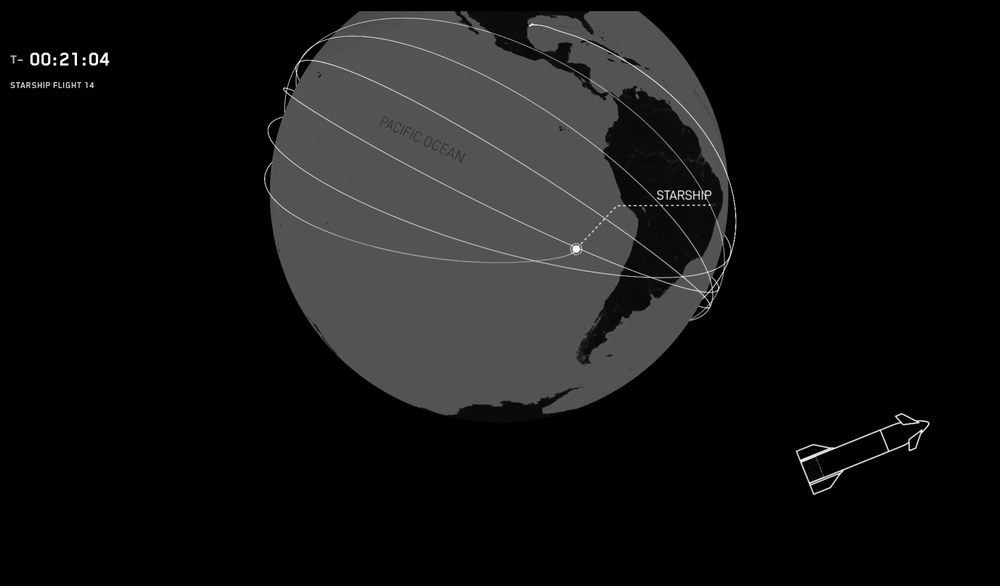
SpaceX shares Starship test flight route
13:32 , Anthony CuthbertsonSpaceX has just shared an animation showing Starship’s route today. The first orbital mission of the world’s biggest rocket will see it launch from Starbase in Texas before swinging around the planet six times and splashing down in the Pacific Ocean.
The expected 10-hour flight could be cut short at several key moments if things aren’t going to plan, though this is how it should hopefully look:
What to expect from today's Starship test flight
13:12 , Anthony CuthbertsonRecent Starship test flights have lasted around 90 minutes, with the rocket heading on a suborbital trajectory from SpaceX’s Starbase facility in Texas, to a splashdown site in the Indian Ocean.
Today’s will be considerably longer, lasting nearly 10 hours as Starship’s upper stage makes six laps of the planet before splashing down in the Pacific Ocean off the coast of Chile.

Here’s SpaceX’s official timeline for Starship Flight 14
FLIGHT TIMELINE
(All Times Approximate)
00:00:00 - Liftoff
00:00:58 - Max Q (moment of peak aerodynamic stress on the rocket)
00:02:20 - Super Heavy MECO (most engines cut off)
00:02:22 - Hot-staging (Starship Raptor ignition and stage separation)
00:02:27 - Super Heavy boostback burn start
00:03:07 - Super Heavy boostback burn shutdown
00:06:36 - Super Heavy landing burn start
00:07:01 - Super Heavy landing burn shutdown
00:08:11 - Starship engine cutoff
00:25:17 - Starship orbital insertion burn start
00:25:36 - Starship orbital insertion burn shutdown
00:34:07 - Payload deploy start (delivering 26 Starlink satellites to orbit
01:04:39 - Payload deploy complete
08:52:37 - Deorbit burn start
08:52:48 - Deorbit burn shutdown
09:28:56 - Starship entry
09:47:29 - Starship is transonic
09:48:07 - Starship is subsonic
09:50:11 - Landing burn start
09:50:13 - Landing flip
09:50:21 - Landing burn 3 to 2 engines
09:50:28 - Landing burn 2 to 1 engine
09:50:30 - An exciting landing!
SpaceX pushes back launch time by two minutes
13:01 , Anthony CuthbertsonA quick update from SpaceX, the Starship launch time has been pushed back slightly from 7:46am local time (1:46pm BST) to 7:48am.
Propellant load is about to begin.
Go for propellant load. Teams will soon begin loading Starship with ~12 million pounds of liquid oxygen and liquid methane. Targeting launch for 7:48 a.m. CT https://t.co/abZvBCJAm5
What would be considered a success for Starship Flight 14?
12:59 , Anthony CuthbertsonJust under an hour to go until the scheduled launch of Starship Flight 14. It is the most ambitious flight to date, and potentially the most critical in terms of hitting development deadlines ahead of Nasa’s Artemis III mission next year.
Reaching orbit for the first time and bringing the upper stage back to Earth without exploding will be considered a success. Losing either the Super Heavy booster or the Starship upper stage on reentry would be a setback, though not a massive one considering the pipeline of Starships in production at Starbase.
Failing to make it to orbit would be a big failure and could even push back the timeline for the entire Atemis program.
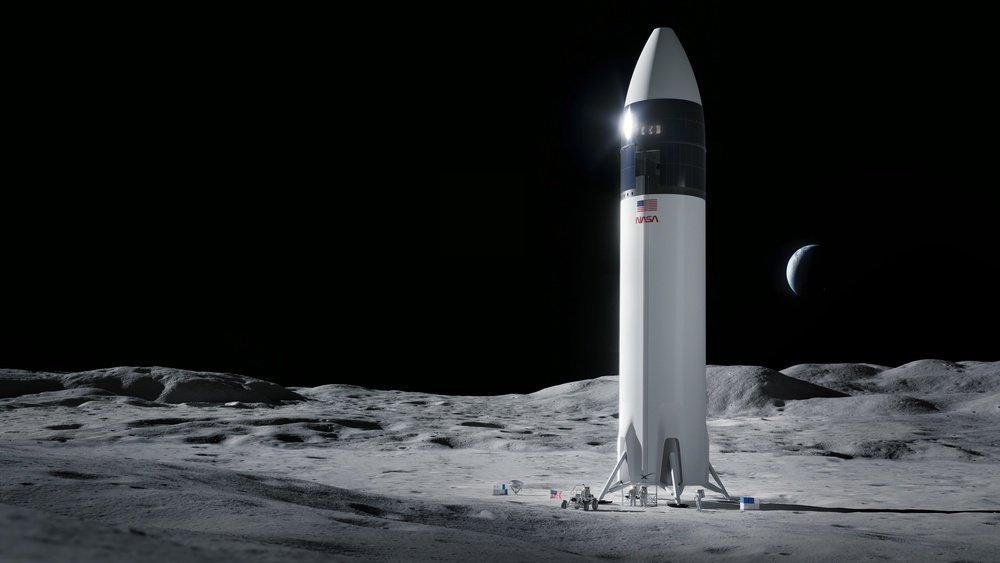
That 14-day mission will see four astronauts aboard Nasa’s Orion spacecraft dock with Starship while in low-Earth orbit. The orbital demonstration aims to test docking mechanisms and spacecraft interfaces ahead of the first crewed Moon landing on Artemis IV in 2028.
What happened the last time Starship launched?
12:32 , Anthony CuthbertsonThe most recent Starship launch in July saw the rocket complete its objectives of deploying 20 test Starlink V3 satellites before successfully splashing down in the Indian Ocean.
It was the first time the Starship upper stage had returned from a suborbital trajectory without exploding, allowing SpaceX to capture valuable data about the flight test.
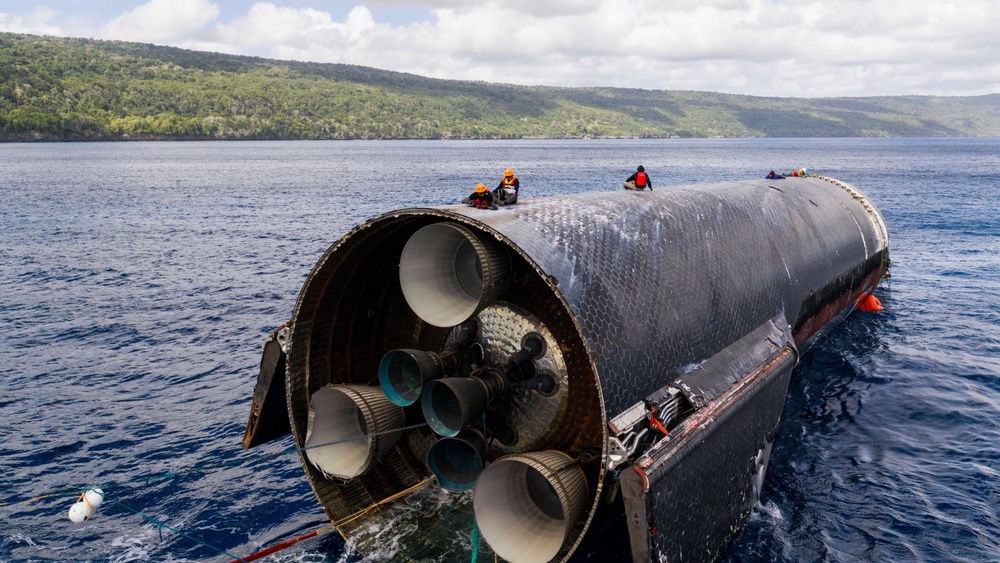
Securing a successful splashdown for both stages of the rocket will be a key test of today’s flight, as SpaceX is designing them to be fully and rapidly reusable for future missions to the Moon and Mars.
Achieving this goal, which SpaceX has described as the “holy grail of rocketry”, will also help accelerate development of Starship ahead of the planned Artemis III mission next year.
SpaceX sets exact launch time for Starship
12:16 , Anthony CuthbertsonSpaceX has announced a launch time of 7:46am local time (1.46pm BST), which is roughly 1.5 hours from now.
That’s 31 minutes into the 75 minute launch window, so there’s less room for delays.
SpaceX’s website still says that the launch is pending regulatory approval, though hopefully that’s just a case of not updating the site. I’ve reached out to the FAA to confirm.
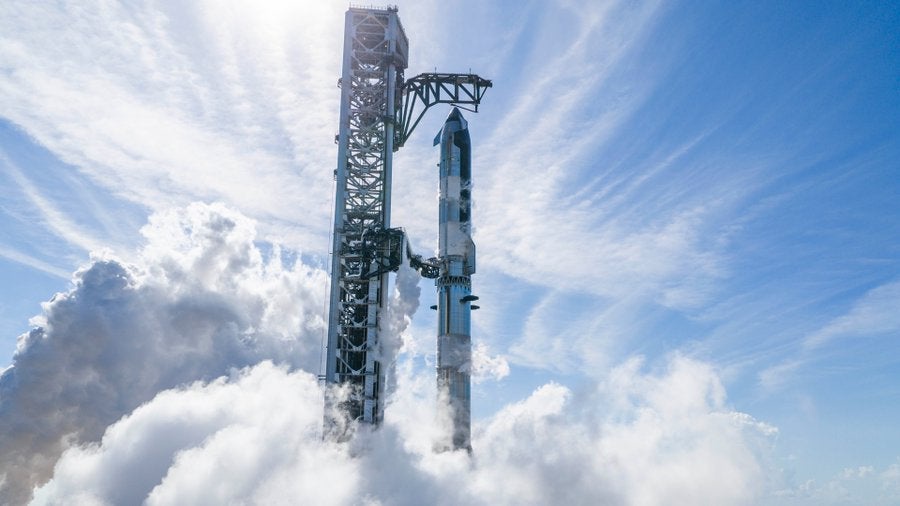
SpaceX is attempting to avoid problems of previous flight
11:28 , Andrew GriffinThis is Starship’s 14th flight. The previous one, flight 13, was hit by a run of problems: the initial takeoff was delayed after problems on the launchpad, and the safe landing of the booster failed because of problems that meant it crashed into the ocean and was destroyed on impact.
Some of the job of this flight is testing whether the fixes made after that incident have worked, SpaceX says.
“The booster’s primary test objective on Flight 14 will be executing a successful launch, ascent, stage separation, boostback burn, and landing burn at an offshore landing point in the Gulf of America. There have been several modifications to hardware and software to address issues seen on the previous flight,” the company says in its description of the test.
“After stage separation and flip on Flight 13, the Super Heavy booster was able to use all 33 engines on its boostback burn for the first time. In the terminal phase of the burn, the three center engines showed signs of ice clogging which triggered an early end to the maneuver. The booster went on to attempt a landing burn, with 8 of the 13 planned engines reigniting before the booster made a hard splashdown in the Gulf. The Super Heavy on this upcoming flight has hardware modifications to improve filtering to the engines and software changes to enhance relight reliability.”
Starship will carry a set of satellites
10:45 , Andrew GriffinThe main point of today is of course to test the spacecraft, and get it into orbit. But Starship has other work to be doing already.
If all goes well, it will carry 26 of SpaceX’s Starlink V3 satellites into space. Together, they’ll add about ten times the capacity to the network, when compared with the V2 mini Starlink satellites that are carried on SpaceX’s smaller Falcon 9.
Once they have left Starship, the satellites will unfold their antennae, deploy their solar arrays and start talking to the ground and the rest of the Starlink constellation. They’ll then put themselves into the right orbit and start providing internet to customers a few weeks after they have been launched.
Three of the satellites are also carrying a set of cameras. That will let them scan Starship as they leave, sending down imagery on its heat shield that engineers can then use to inform future missions and changes of design.
Timings for today
10:26 , Andrew GriffinIt’s going to be a long day for Elon Musk, SpaceX and Starship. Here’s how it’ll shape up.
- 7.15am local central time (1.15pm UK): Launch window opens, and stays open for 75 minutes
- Seven minutes after launch: Super Heavy, the first stage of the rocket, comes back in to land
- 25 minutes after launch: Starship heads into orbit
- 34 minutes after launch: Spacecraft drops off its payload, a set of Starlink satellites
- 9 hours 30 after launch: Starship comes back out of orbit
- 9 hours 50 after launch: Starship lands back on Earth
All of that is just the plan. (For example, Starship might blow up at any point, as it has in the past.)
How to watch Elon Musk’s megarocket heading to orbit for the first time
10:21 , Andrew GriffinHere’s everything you need to know ahead of today’s launch.

Starship Flight 14: How to watch Elon Musk’s megarocket heading to orbit
Hello and welcome...
10:07 , Andrew Griffin... to The Independent’s live coverage of SpaceX’s 14th Starship launch – and its first to head to orbit.