
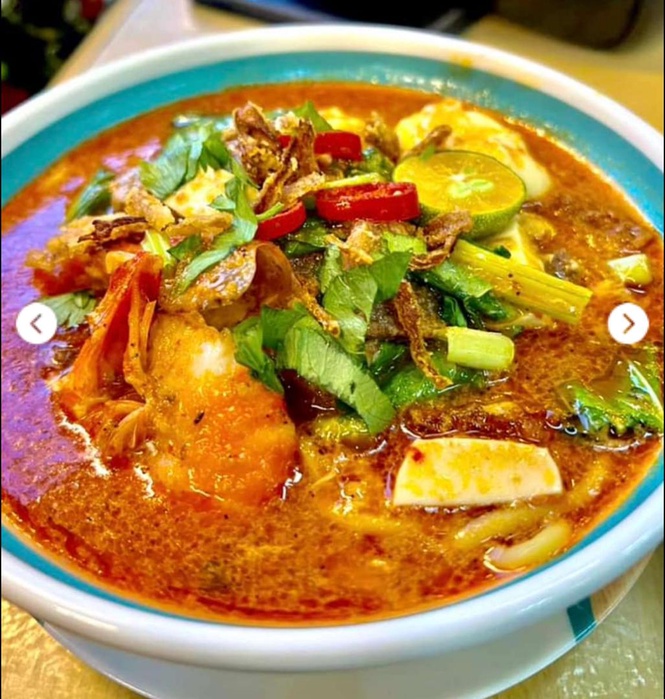
In Malaysia, food is more than a necessity—a vibrant reflection of the nation’s rich cultural tapestry. From bustling street stalls in Penang to cozy cafés in Kuala Lumpur, every meal is a sensory journey through history, tradition, and flavor. But beneath the mouthwatering allure of satay skewers, nasi lemak, and char kway teow, a simmering health concern bubbles to the surface: Is the Malaysian love affair with food compromising the nation’s well-being?
As diverse as its people, Malaysian cuisine is a delightful blend of Malay, Chinese, and Indian influences, among others. It’s a cuisine that thrives on a balance of textures, colors, and aromas. A typical day might start with a creamy bowl of congee or a flaky roti canai dipped in rich dhal. Lunch and dinner are often centered around rice, the staple of the Malaysian diet, complemented by an array of dishes like rendang—a slow-cooked, spiced meat delight—or sambal, a fiery chili paste that ignites the taste buds. Noodles, too, play a starring role, whether in a comforting bowl of laksa or a plate of spicy mee goreng.
Yet, this culinary abundance presents a double-edged sword. While Malaysian dishes are often brimming with fresh vegetables, fragrant herbs, and lean proteins, they can also be laden with hidden dangers—excessive fats, sugars, and sodium. Take nasi lemak, the nation’s beloved dish: creamy coconut rice, crispy anchovies, crunchy peanuts, and a dollop of sambal. Delicious? Absolutely. But it’s also a caloric bomb, especially when consumed regularly.
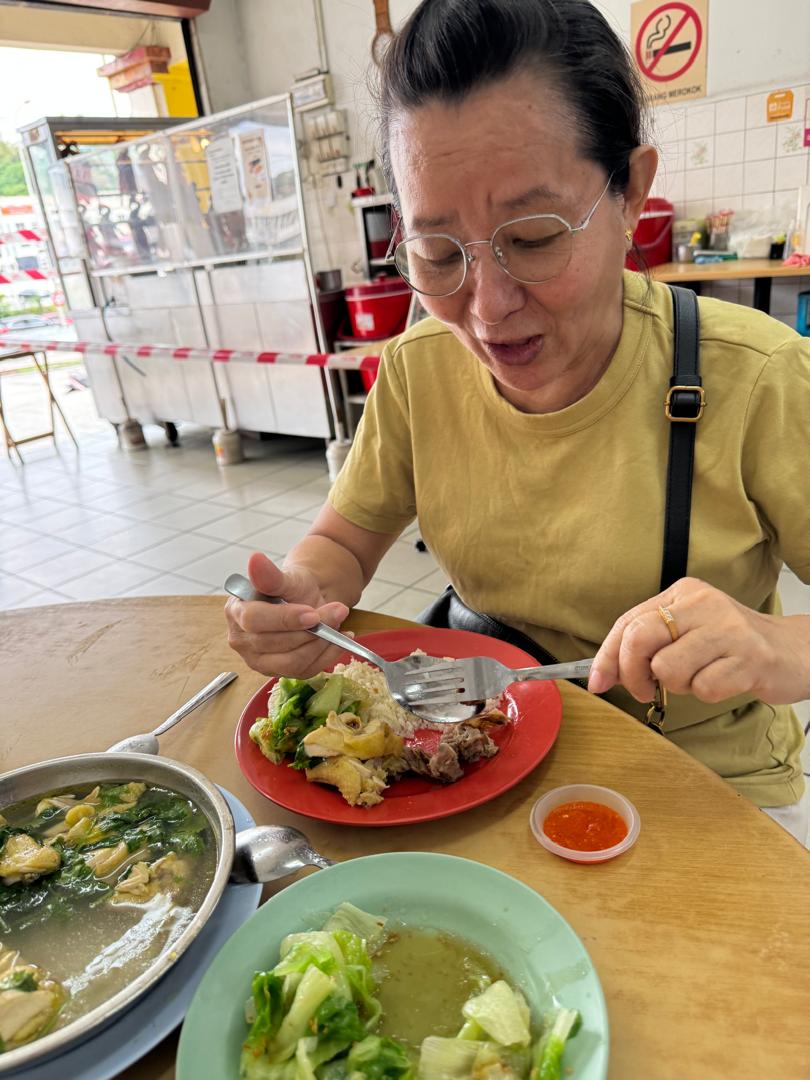
This love for rich, indulgent flavors has health repercussions that can’t be ignored. Malaysia is facing a growing health crisis, with obesity and diabetes rates climbing alarmingly. The cause? A diet high in calories, often exacerbated by sugary drinks and a culture that celebrates hearty eating. Despite government campaigns and public health initiatives aimed at promoting healthier diets, many Malaysians find it hard to resist their culinary heritage in favor of lighter, more health-conscious fare.
Consider the Lim family from Penang. A typical Malaysian family found themselves caught in the convenience trap of processed foods amidst their hectic schedules. It wasn’t until they started facing health issues—soaring cholesterol levels and weight-related ailments—that they realized change was necessary. Mrs. Lim recalls the turning point: “We were so used to our daily diet that we didn’t notice the toll it was taking on our health until it was too obvious to ignore.”
The Lims decided to revamp their diet, not by abandoning their culinary roots, but by making thoughtful adjustments. They swapped out deep-fried snacks for steamed dumplings and fresh fruit, and they embraced meal prepping on weekends to ensure healthier options during the week. The results were encouraging—cholesterol levels dropped, energy levels surged, and they found a new appreciation for the fresh, vibrant flavors of Malaysia’s produce.
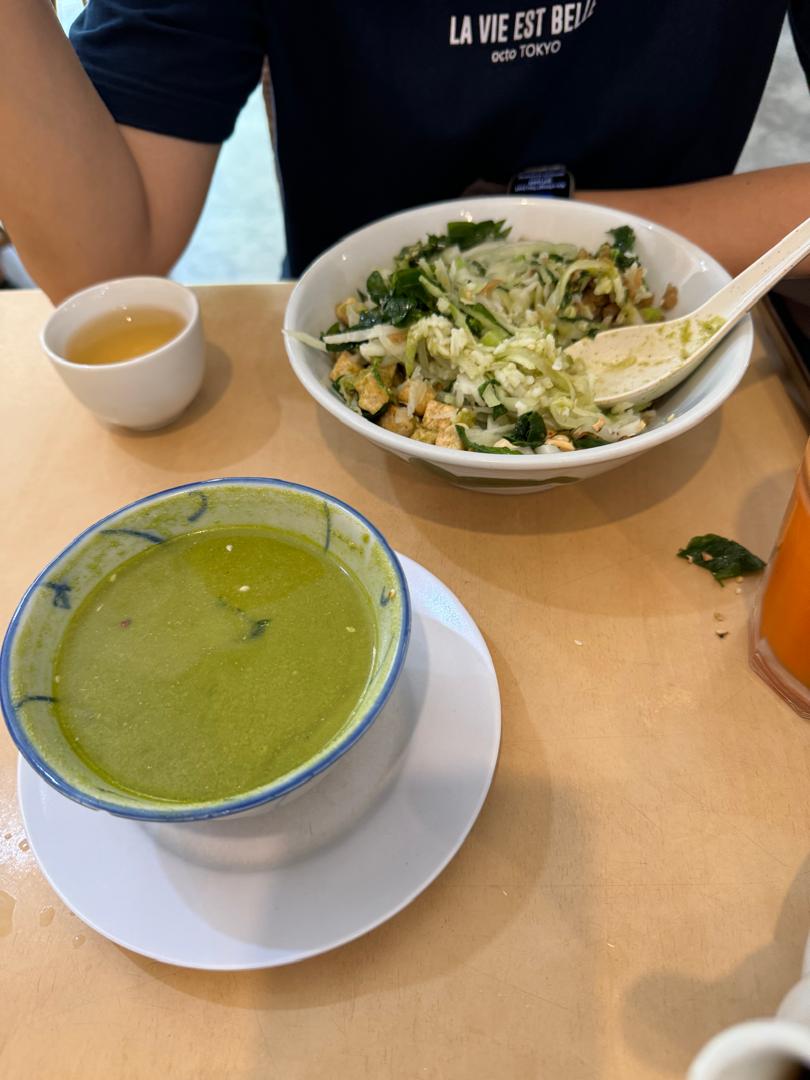
In contrast, the Rajah family from Kuala Lumpur initially scoffed at the notion that healthy eating could be affordable. They had always equated nutritious meals with high costs and bland flavors. However, after participating in a community health program, they learned that eating well didn’t have to break the bank. By shopping at local markets for fresh, seasonal produce and incorporating more plant-based proteins like lentils and beans, they managed to improve their diet while actually reducing their grocery bills. “Who knew that eating better could save money?” Mrs. Rajah mused, adding that growing their own herbs and vegetables brought not just savings but a sense of satisfaction.
The takeaway is clear: maintaining a healthy diet in Malaysia doesn’t require giving up the nation’s beloved foods. It’s about making informed choices—using less oil, cutting back on salt, embracing whole grains, and adding more fruits and vegetables to the plate. Cooking at home, experimenting with local ingredients, and understanding portion sizes can all contribute to a healthier lifestyle without sacrificing the joy of eating.
As Malaysians, we cherish our food heritage. But in doing so, we must also recognize that health is our greatest asset. By savoring the diverse flavors of Malaysia with mindfulness, we can ensure that our culinary traditions continue to enrich our lives without compromising our well-being. After all, the true essence of our food lies not just in its taste but in how it nourishes us—body and soul.
Didier Loewe is a content creator under the Newswav Creator programme, where you get to express yourself, be a citizen journalist, and at the same time monetize your content & reach millions of users on Newswav. Log in to creator.newswav.com and become a Newswav Creator now!
The User Content (as defined on Newswav Terms of Use) above including the views expressed and media (pictures, videos, citations etc) were submitted & posted by the author. Newswav is solely an aggregation platform that hosts the User Content. If you have any questions about the content, copyright or other issues of the work, please contact Newswav.