
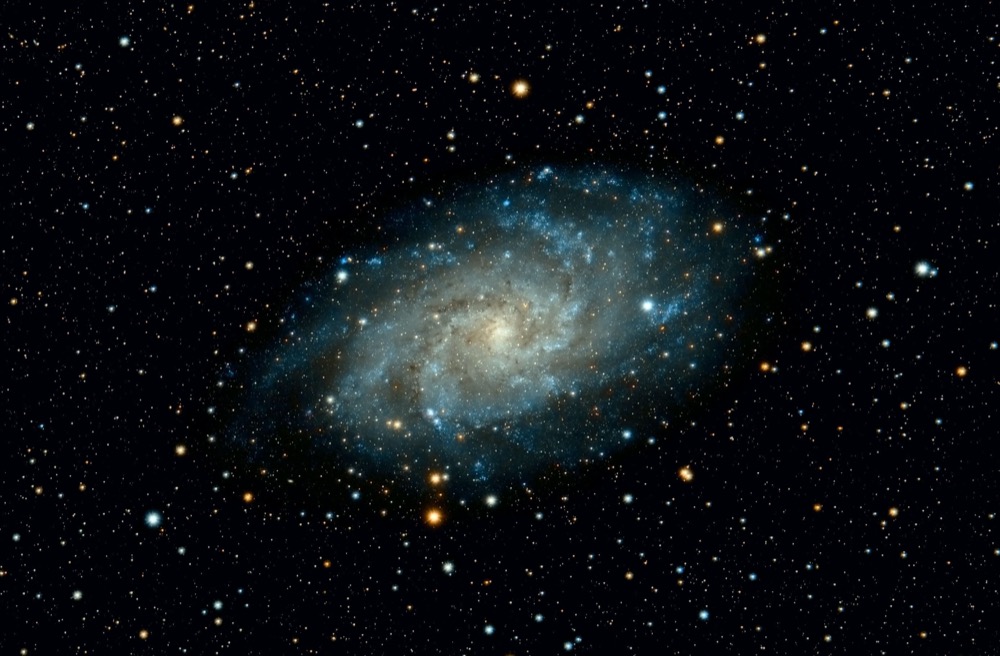
In mid-May, skywatchers will have an extraordinary opportunity to witness the Milky Way’s glowing core in all its celestial glory. With the May 16 new moon providing ideal dark skies, this is one of the best chances of the year to observe the dense heart of our galaxy, according to Space.com. The Milky Way’s core, visible in the southern sky, offers a breathtaking reminder of the vastness of our universe, a chance not to be missed.
The Best Time to See the Milky Way’s Core
As Earth orbits the Sun, certain months of the year provide the perfect conditions to spot the heart of our galaxy. The period from February to October, dubbed “Core Season,” marks the best time to catch a glimpse of the Milky Way’s dense central region. The timing of the new moon is especially crucial, as the moon’s absence from the night sky leaves behind the darkest possible conditions for viewing.
This May, the new moon falls onMay 16, offering an extended window of darkness. According to Space.com, the peak viewing period will be from midnight until dawn, with the Milky Way’s core at its highest point in the sky. This is the optimal time to observe the vast ribbon of interstellar dust, gas, and stars that make up our galaxy’s center.
The significance of these moonless nights is clear. As twilight begins to encroach during the summer months, the opportunity to observe the Milky Way’s core will grow shorter. For those looking to capture the awe of the galaxy’s heart, mid-May is the best window for stargazing.
Where to Look for the Milky Way’s Glowing Core
To truly experiencethe Milky Way’s brilliance, location is key. A dark sky area, free from the pollution of city lights, is essential for clear visibility. Light pollution can easily obscure the finer details of the sky, but in remote areas, the full beauty of our galaxy comes into view.
Looking toward the southern sky is where you’ll see the dense core of the Milky Way, stretching across the constellations of Aquila, Scutum, Sagittarius, and Scorpius. The stars here are concentrated, and the interstellar dust creates a glowing, hazy band stretching from horizon to horizon.
This celestial phenomenon is not just a spectacular sight, it’s a glimpse into the heart of our universe. The core is the most concentrated part of the Milky Way, where stars are born, live, and die in a cosmic cycle that spans billions of years. It’s a stunning reminder of how small our planet is in the grand scheme of things, yet how connected we are to the cosmos.
Why May is the Ideal Month for Viewing
May is a unique time to catch the Milky Way’s core before the summer months disrupt clear viewing. As the Earth continues its orbit, the core’s visibility becomes more restricted. June’s new moon, which occurs near the summer solstice, is followed by an increase in the intensity of twilight, shortening the night’s window for stargazing.
This is why May’s new moon offers such an important opportunity for astronomers and casual skywatchers alike. In the northern hemisphere, the Milky Way reaches its zenith at a time when the nights are still long enough to allow for uninterrupted viewing. Without the light of the moon, the sky darkens significantly, creating perfect conditions to witness the shimmering core of our galaxy.
The Milky Way’s visibility changes with the seasons. During the peak months of Core Season, the chances to spot the galaxy’s center are at their highest. But as twilight creeps closer to midnight during the summer months, these opportunities diminish. May presents a brief but significant window before the full arrival of summer stargazing challenges.
Enjoyed this article? Subscribe to our free newsletter for engaging stories, exclusive content, and the latest news.

