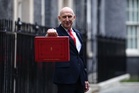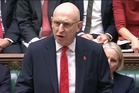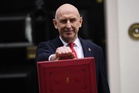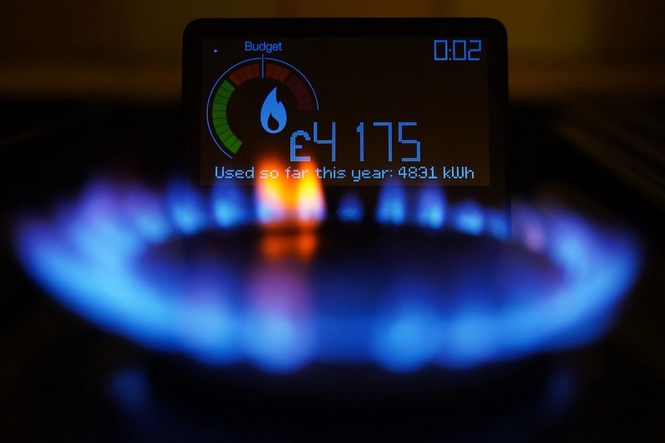
Standing charges on gas bills will be scrapped from next year, John Healey has announced as he prepares to deliver a Budget promising “breathing space” for households and businesses.
He said he will use his first autumn statement as Chancellor to cut energy bills “for good,” and signalled he will look into removing the fixed daily fees on electricity as well.
The gas standing charges are added to bills, regardless of how much gas a customer uses, and cost around £108 per year for a typical household.
The Treasury said Mr Healey will ask regulator Ofgem to remove gas standing charges for around 23 million homes “in 2027 or as soon as possible after”.
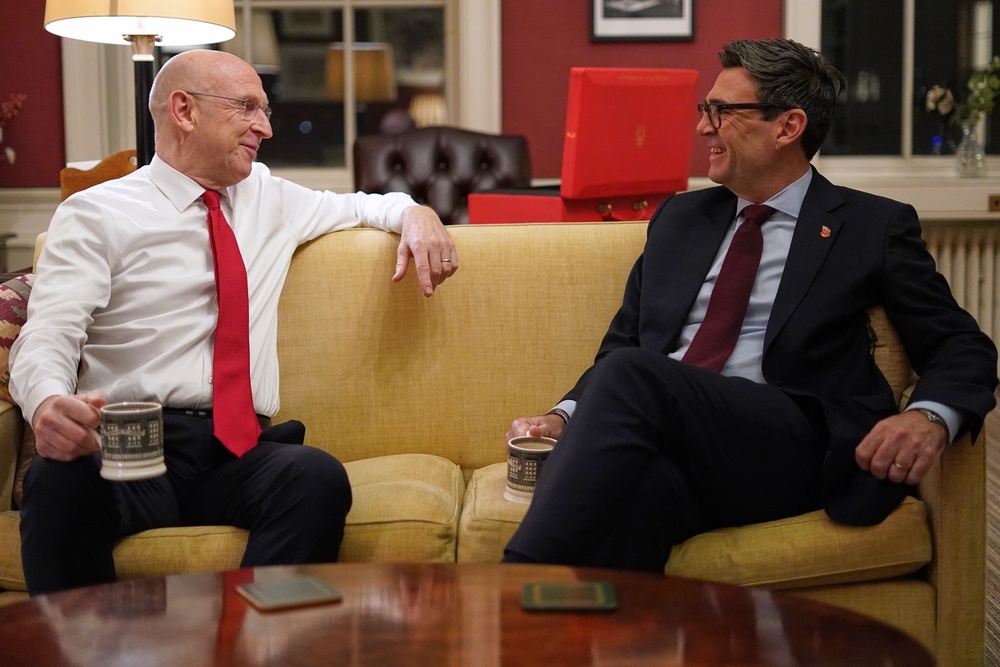
Instead, fixed costs will be paid on the unit rate, which the Treasury said could save 60% of households an average of £45 on their annual bills.
Prime Minister Andy Burnham said: “Abolishing gas standing charges is about basic fairness and giving people more control over their bills.
“I am determined to reform our broken energy market, so it better serves the public interest.”
Mr Healey added: “Gas standing charges are unfair and outdated so I am scrapping them to give millions of households a bit of breathing space.
“My Budget will draw a line in the sand on an energy policy that has failed British billpayers for years, letting extra costs on bills pile high and leaving households even more exposed to global shocks.”
Mr Burnham told the Commons last week that he had asked Mr Healey and Energy Secretary Miatta Fahnbulleh to examine abolishing standing charges.
The fee does not pay for the energy itself, but covers the cost of delivering gas and electricity to homes and businesses – including the cost of essential maintenance and infrastructure upgrades.
MoneySavingExpert founder Martin Lewis, who was in No 11 on the morning of the Budget, said he was “pleased” with the move and that Mr Healey told him he would seek to remove standing charges on electricity bills too.
The campaigner predicted the gas bills policy would be implemented at the same time as either the October 1 2027 or January 1 2028 price cap change, and that the cost shift onto unit rates would translate to “just under 1p per kwH”.
Mr Lewis said “about 60% of people will pay less due to this, 40% more”, with the dividing line “somewhere around 12,500 kilowatt hours of gas,” as he called for support for vulnerable higher users who will have to pay more.
Concerns have been raised that some low-income consumers who use large amounts of energy could be left worse off if the costs simply moves to the unit rate part of the gas bill.
The Treasury said ministers will “set out in due course targeted mitigation for a small number of households”.
On electricity bills, Mr Lewis wrote: “The Chancellor also said he will be talking to Ofgem about how they get rid of the charge on electricity as well, but that is ‘trickier’ apparently and will take longer.”
Mr Lewis noted that “the biggest issue in energy right now is that we’re expecting a 27% rise in the price cap in January”.
Household energy bills rose in October with a 4% hike to Ofgem’s energy price cap and forecasters have warned they could soar by almost another £300 from January.
Cornwall Insight’s latest forecast predicts the price cap will rise by a further 16% to £1,999 a year on January 1, up by £276 on the level between October and December and the biggest rise since January 2023.
Mr Lewis said: “I asked the Chancellor whether he will be intervening on that. He told me I’d have to wait for the Budget, but reading between the lines, yes, there will be an announcement today.”
He said he expected the support could come via an increase in the Warm Homes discount for people on benefits, or a payment to people in council tax bands A-D.
The Times reported that Mr Healey will also announce plans in his Budget to axe green levies from energy bills and put them onto general taxation.
In a video message ahead of the autumn statement, the Chancellor said: “This Budget is designed to give households breathing space from some of the everyday costs, provide targeted support for businesses and self-employed people, and to start the long-term action needed to get energy costs down for good.”
He acknowledged the country was facing a “difficult moment” and promised changes would be made “responsibly” within Labour’s fiscal rules.
Mr Healey will have limited scope for big giveaways because of stretched public finances, made worse by international market turmoil caused by the Iran war.
He is sticking with the fiscal rules set by predecessor Rachel Reeves, requiring day-to-day spending to be financed by taxes rather than borrowing by 2029/30 and that public debt as a share of the economy should fall in the same year.
Simon Francis, co-ordinator of the End Fuel Poverty Coalition, said the decision to remove gas standing charges would “bring real relief to many low-income households who use very little energy and for prepayment customers it could stop debt building up in the summer months”.
He also said: “Moving levies off electricity bills and into general taxation, as reported, would also be a positive step.
“But despite the positives of the gas standing charges proposal, millions of households won’t see a saving.
“This means ministers have serious questions to answer about who they are and, if they are vulnerable or on low incomes but have high energy needs, how they will be protected.”
In an effort to help households, the Government has temporarily removed the 5% VAT from electricity bills until March 31 next year to cut around £45 a year.
Households are still paying 5% VAT for gas.
Meanwhile, The Times reported that the Budget calculations will assume the Rosebank oil field will be approved and will generate major tax revenues.
This came in for criticism from Green Party leader Zack Polanski, who said: “Today’s Budget looks like a catastrophic let down for anyone expecting Burnham to give them hope for the future, particularly young people. A broken promise on the minimum wage, baking in climate chaos and nothing expected to tackle the spirally costs of renting.
“Healey has refused to fix the foundations of the economy – and instead offered cosmetic tweaks that will do nothing to buffer people against the fossil fuel rollercoaster.
“Meanwhile this Labour Government under Andy Burnham is now actively fuelling the climate crisis, in a way his own Foreign Secretary said was climate vandalism.
“A budget based on approval of mass new oil drilling is a betrayal of our future. Instead we need to see extreme wealth taxed fairly to fund investment in our future, and an end to tax breaks for tech giants and fossil fuel companies to help bring people’s bills down.”
Read MoreWhat these vital British businesses need to see in the Budget today
Money moves you can make before the Budget - and one key thing to avoid
Budget 2026 live: Martin Lewis hails ‘poll tax’ decision after meeting chancellor
Chancellor set to U-turn on Isa allowance cut to £12,000 – reports
Aston Martin’s Valhalla supercar drives sales growth as losses narrow
Santander UK bolstered by TSB takeover as it targets cost ‘synergies’