

We’ve all been told that showering every day is a basic part of staying clean and healthy. It’s ingrained in us from an early age: a shower is the key to feeling refreshed, waking up, and smelling good. But what if everything we thought we knew about personal hygiene is wrong? Could showering too often actually be harming our skin, our health, and even the environment? You might be surprised by what experts are now saying.
For years, daily showers have been the go-to habit for most people across the globe. In countries like the U.S., approximately two-thirds of Americans shower daily, with Australians even surpassing that number. But around the world, habits vary widely. In places like China, many people only shower a few times a week. So, why is the daily shower so deeply ingrained in our culture, and is it really as necessary as we think?
Experts, including renowned Harvard scientist Robert H. Shmerling, MD, are now raising red flags about the potential negative effects of showering every day. According to dermatologists, frequent showering, especially with hot water and antibacterial soaps, strips the skin of its natural oils and beneficial bacteria. This leads to dryness, irritation, and in some cases, skin infections. The very products we use to cleanse our skin may be causing long-term damage by disturbing the delicate microbial balance that protects us.
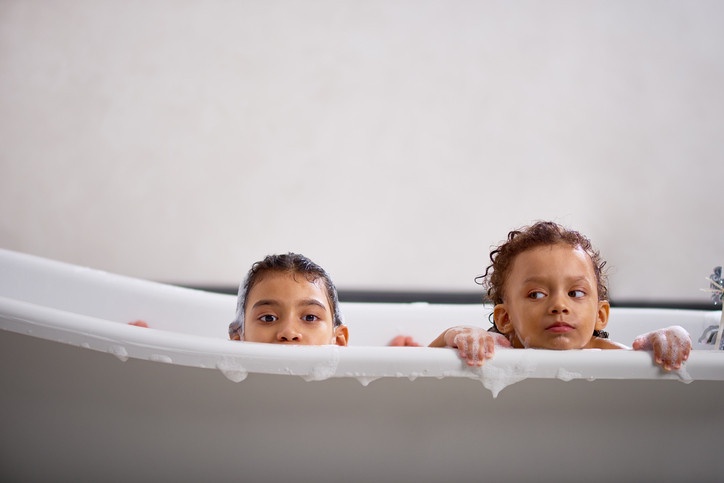
Shmerling’s research goes further, suggesting that over-cleansing the body can weaken the immune system. Our skin hosts beneficial microbes that help train and support our immune defenses. When these microbes are washed away too often, the immune system’s ability to respond to threats could diminish. This phenomenon is particularly concerning for children, which is why some pediatricians and dermatologists advise against daily bathing for young ones.
But the risks don’t stop there. Municipal water supplies, which many people use daily for showers, often contain chlorine, heavy metals, and other chemicals that may irritate the skin further. These substances, combined with the overuse of harsh soaps, could contribute to long-term skin problems.
So, what’s the solution from Dr Robert H. Shmerling? He recommends a shift in habits, suggesting that showering every few days may be more beneficial. Focus on cleaning key areas such as the armpits and groin while using mild, fragrance-free cleansers. This change in routine can not only preserve your skin’s health but also help to reduce your environmental impact by conserving water and minimizing the use of chemical-laden personal care products.
While I respect the research and viewpoints of experts like Dr. Robert Shmerling, I believe their conclusions don’t apply as universally as they may think. Here in Malaysia, our daily routines and climate demand a slightly different approach to personal hygiene. Let’s break it down.
1. Malaysia is Hot and Humid
Living in Malaysia means living in a hot, humid climate year-round. Our weather is sticky, and sweat is a constant companion, particularly in the tropical heat. Showering daily is not just a luxury; it's a necessity to minimize bacterial buildup on our skin, which causes body odor. In such an environment, our skin is exposed to sweat and environmental pollutants that can breed bacteria. Daily showers help to wash away this buildup and maintain a cleaner, more hygienic body.
2. Showering Helps Cool Down The Body
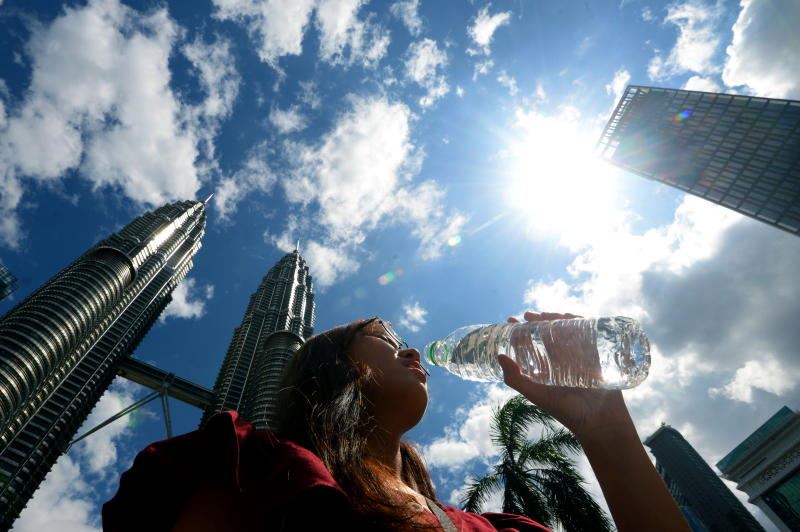
In Malaysia, one of the most effective ways to beat the heat is by taking a shower. The act of showering not only refreshes you but cools your body down. Given the high humidity and relentless warmth, a cold shower offers an instant reprieve, helping to regulate body temperature and keep you comfortable throughout the day. Without this cooling effect, staying productive and comfortable in the tropical climate would be a lot harder, making daily showers a practical choice.
3. The Cultural Norms in Malaysia
Cultural practices and expectations also play a significant role in why daily showers are so ingrained in our routines. In Malaysian society, cleanliness is highly valued, and there’s a strong cultural belief that showering multiple times a day is essential. While experts argue for less frequent showers, local traditions suggest a much higher frequency. People often shower in the morning to feel fresh and again in the evening to cleanse the day’s grime and sweat. This deeply rooted habit in our culture speaks to the importance of personal hygiene in our daily lives.
4. It's Not Just About Hygiene - It's About Mental Well-Being
Beyond physical cleanliness, showering has a significant psychological effect on many people. In Malaysia, where the workday can often be long and stressful, a shower can serve as a refreshing mental reset. It’s a moment of solitude and relaxation, offering a brief escape from the pressures of the day. For many, this daily ritual is not only about hygiene but also about self-care and well-being.

While we should always value the insights of experts, it’s important to remember that not all advice is one-size-fits-all. Our personal hygiene routines, cultural contexts, and environmental factors play a significant role in shaping what works best for us individually. The research from Harvard scientists and other dermatologists is certainly thought-provoking, but it might not apply to everyone, especially those living in places with extreme climates like Malaysia.
This highlights the importance of healthy skepticism. Experts often provide valuable knowledge, but it’s crucial to ask questions, challenge assumptions, and adapt advice to our unique circumstances. Just because something is widely accepted doesn’t mean it’s universally applicable. By questioning expert advice and considering our own needs, we can make more informed decisions about our health and well-being.
In the end, there’s no harm in exploring alternative approaches to hygiene. Perhaps it’s time to rethink the daily shower but only after considering what works best for us, where we live, and what we truly need for our bodies. It’s not about rejecting expert advice, but about understanding that different environments and lifestyles may require different solutions.
Aaron Colt (aaronafter@hotmail.com) is a content creator under the Newswav Creator programme, where you get to express yourself, be a citizen journalist, and at the same time monetize your content & reach millions of users on Newswav. Log in to creator.newswav.com and become a Newswav Creator now!
The User Content (as defined on Newswav Terms of Use) above including the views expressed and media (pictures, videos, citations etc) were submitted & posted by the author. Newswav is solely an aggregation platform that hosts the User Content. If you have any questions about the content, copyright or other issues of the work, please contact creator@newswav.com.