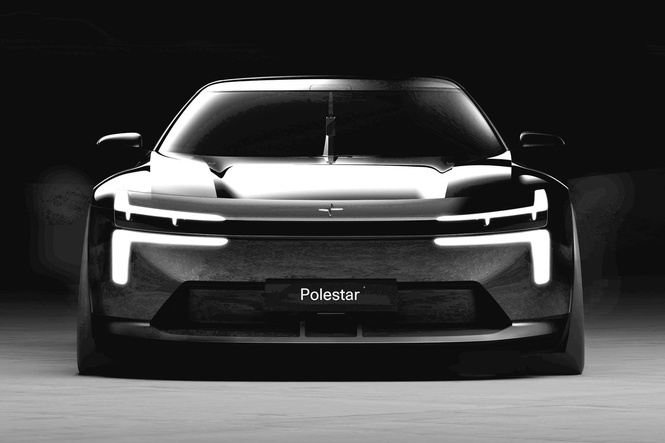
Polestar has given us the first hint of what its next generation of electric cars will look like, with a new concept called Formula 2030 – and we won’t have to wait long to see the whole thing.
The show car will make its full global debut in October and is designed to point towards the future look of the Swedish EV brand, including the next Polestar 2, which is due to launch in 2027, and the forthcoming Polestar 7 compact SUV.

Formula 2030 has been created under Polestar’s new head of design, Philipp Römers, and the company says it represents an evolution of its current Scandinavian design rather than starting again with a completely different look. Familiar touches will remain, including Polestar’s Dual Blade headlights, while the concept will also show where the company is heading with its exterior and interior design, materials and approach to sustainability.
Römers said: “Polestar’s design and brand is already so strong, it was obvious we needed a bold evolution not revolution of what came before. Formula 2030 delivers this, showcasing our future while respecting brand-defining elements like the familiar Dual Blade headlights ensuring it remains recognisably a Polestar with a strong, characterful identity.”
The concept is also part of Polestar’s wider commercial strategy running towards 2030, as the company continues its push for growth and profitability. And there’s already plenty happening before the cars previewed by Formula 2030 arrive.
The recently revealed Polestar 4 SUV is the latest addition, sitting alongside the existing coupé-style Polestar 4 saloon rather than replacing it. Prices start at £54,750 and, unlike the original 4, the SUV gets something rather more conventional at the back: a rear window. There’s more room, too, with up to 1,665 litres of luggage space, while the longest-range version can travel a claimed 391 miles between charges.
Polestar has also been busy updating the larger Polestar 3 SUV. Its move to an 800V electrical system has increased maximum rapid charging to 350kW, with a quoted 10 to 80 per cent charging time of as little as 22 minutes. Depending on the version, the 3 can now manage up to 402 miles on a charge, while Polestar has also made changes to its motors, steering, suspension and computing power.
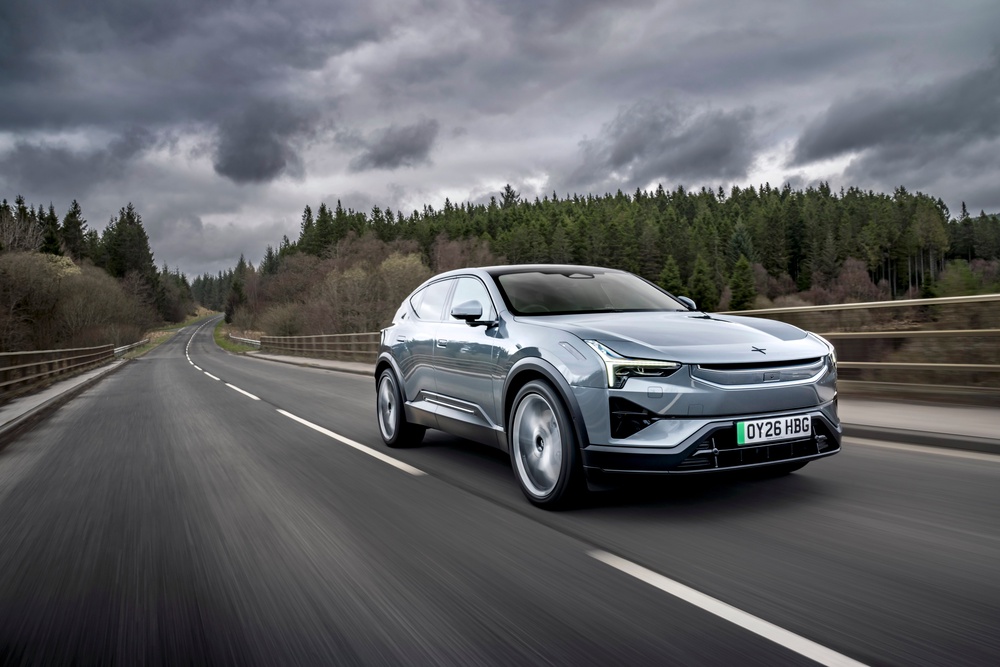
Then there’s the Polestar 5, the brand’s electric grand tourer, with the company building towards a much broader line-up than the one that started with the original Polestar 2 back in 2020.
Formula 2030 gives us the first clue as to how the next phase of that range will tie together visually. The replacement for the Polestar 2 arrives first in 2027, while the Polestar 7 will follow as a compact electric SUV planned to be built in Europe.
Should you buy a new 76-plate EV or a bargain used one?
Polestar EVs to become chauffeur cars at this countryside members’ club
Latest Lepas L6 EV revealed with 279-mile range – with more models on the way
Mercedes-Benz GLB review: the new seven-seat electric SUV that puts family comfort first