

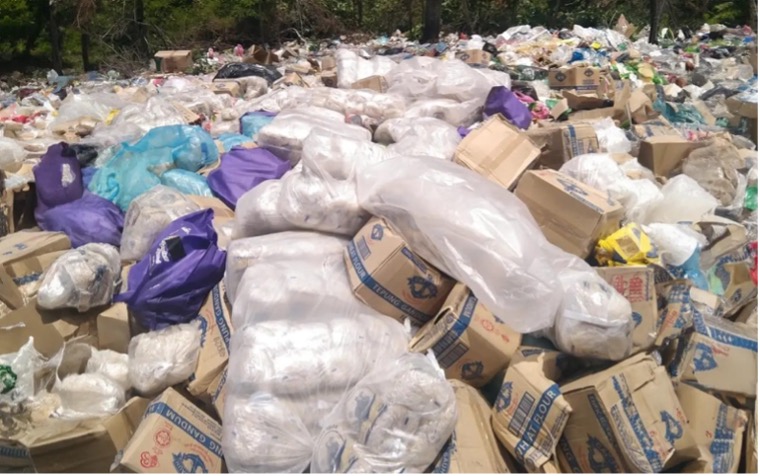
You may have seen this picture on social media that eventually stirred up a controversy over the food wastage issue in Malaysia.
This image shown here was Ismail Mohamed Said, the former deputy home minister of Malaysia, confessing to throwing away rice and other food products in a Temerloh, Pahang, waste disposal facility.
Not only packs of rice but also boxes of flour and other foods.
Food wastage is a significant problem in Malaysia, exacerbated during festive seasons like Ramadan. The Raya bazaars, popular for their diverse and delicious offerings, unfortunately also spotlight the darker side of our consumption habits.
As stalls overflow with an array of mouth-watering dishes, the aftermath often reveals heaps of wasted food, raising serious concerns about our collective responsibility towards food sustainability.
These festive food bazaars are a feast for the senses, offering everything from traditional delicacies to modern fusion dishes. However, this abundance often leads to over-purchasing. Many visitors, driven by the festive spirit, buy more than they can consume, resulting in substantial food waste.
Controversies arise when the sheer volume of waste becomes apparent. The sight of perfectly good food discarded in bins has sparked public outrage and debate. Critics argue that better planning and awareness campaigns are needed to curb this wastage.
Vendors, aiming to meet the high demand, often prepare excessive quantities, fearing loss of sales. This leads to an inevitable surplus that ends up in the trash.
Moreover, food wastage at Raya bazaars has broader implications. It highlights systemic issues such as inefficient food distribution and a lack of consumer awareness.
While some efforts have been made to redistribute surplus food to the needy, these initiatives are not widespread enough to make a significant impact.
To address this issue, a multifaceted approach is necessary. Education plays a crucial role; both vendors and consumers must be made aware of the consequences of food wastage and the importance of sustainable practices.
Implementing stricter regulations on food production and sales at bazaars could also help. Encouraging vendors to donate unsold food to charities and food banks can mitigate waste while supporting those in need.
Ultimately, tackling food wastage in Malaysia, particularly during festive seasons like Ramadan, requires a collective effort. By fostering a culture of mindfulness and sustainability, we can honour the true spirit of our traditions while addressing this pressing issue.
AvaSaw27 is a content creator under the Newswav Creator programme, where you get to express yourself, be a citizen journalist, and at the same time monetize your content & reach millions of users on Newswav. Log in to creator.newswav.com and become a Newswav Creator now!
The User Content (as defined on Newswav Terms of Use) above including the views expressed and media (pictures, videos, citations etc) were submitted & posted by the author. Newswav is solely an aggregation platform that hosts the User Content. If you have any questions about the content, copyright or other issues of the work, please contact Newswav.