
Peranakan cuisine (or Nyonya cuisine) is a rich and aromatic culinary tradition both from the intermarriage of early Chinese migrants with local Malay and Indonesian populations in Malaysia, Singapore, and Indonesia. It is a foodie haven with their own unique plethora of signature flavors. But there is a special cuisine found in all three nations with a rich gastronomic legacy and deep cultural roots. Nyonya is the local folk term for Peranakan women, Baba for men. Thus, Peranakan cuisine is also colloquially called Nyonya cuisine. The state of Melaka, where the oldest Malay Sultanate used to stand, is the culinary home of Peranakan cuisine. It has a delicious amalgamation of bold, aromatic, robust flavors that combined Malay culinary techniques with Chinese cooking traditions. In recent years, the unique Peranakan flavor has also seen a resurgence, and evolved into fine dining culinary; with specialty menus and restaurants spreading across the region & beyond.
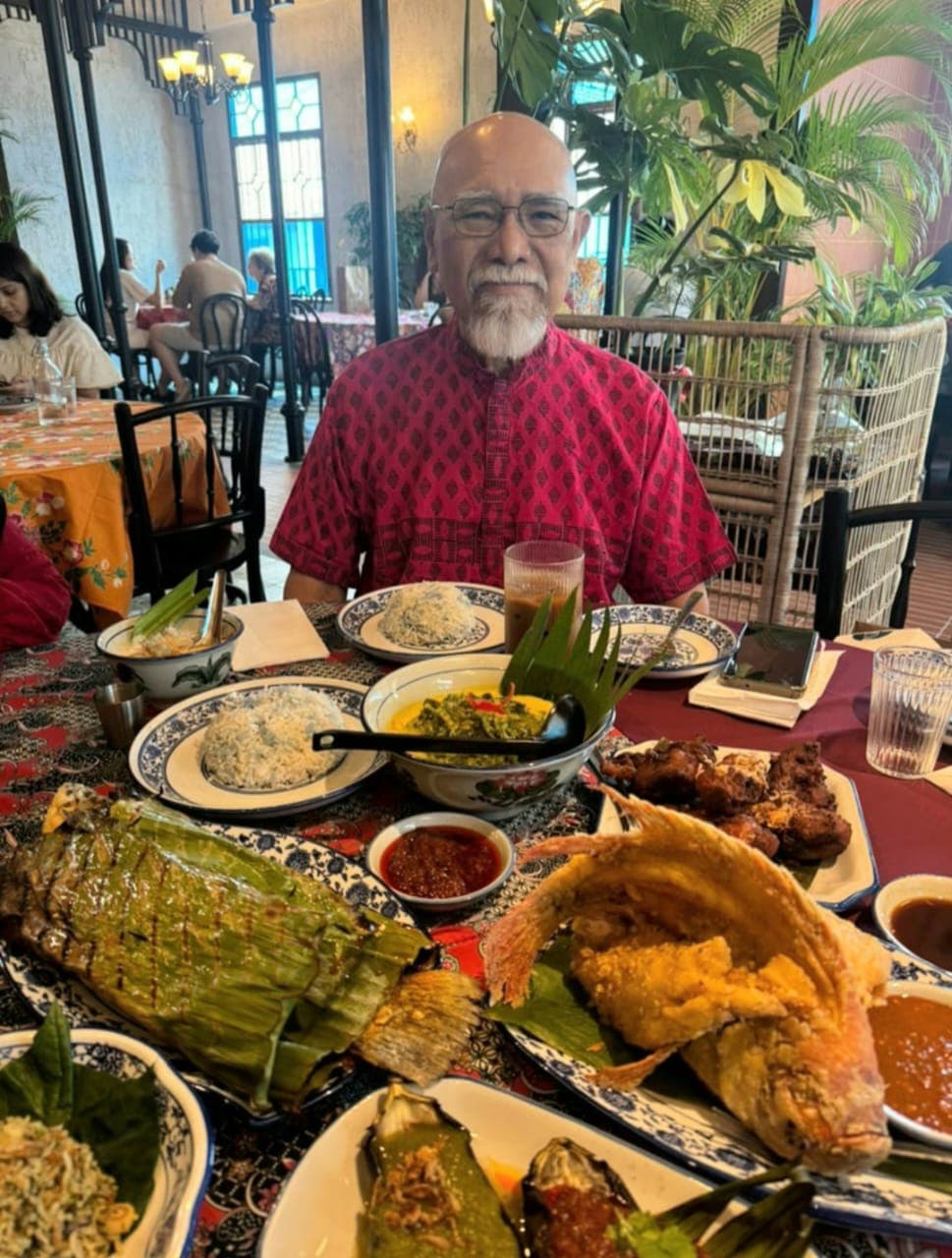
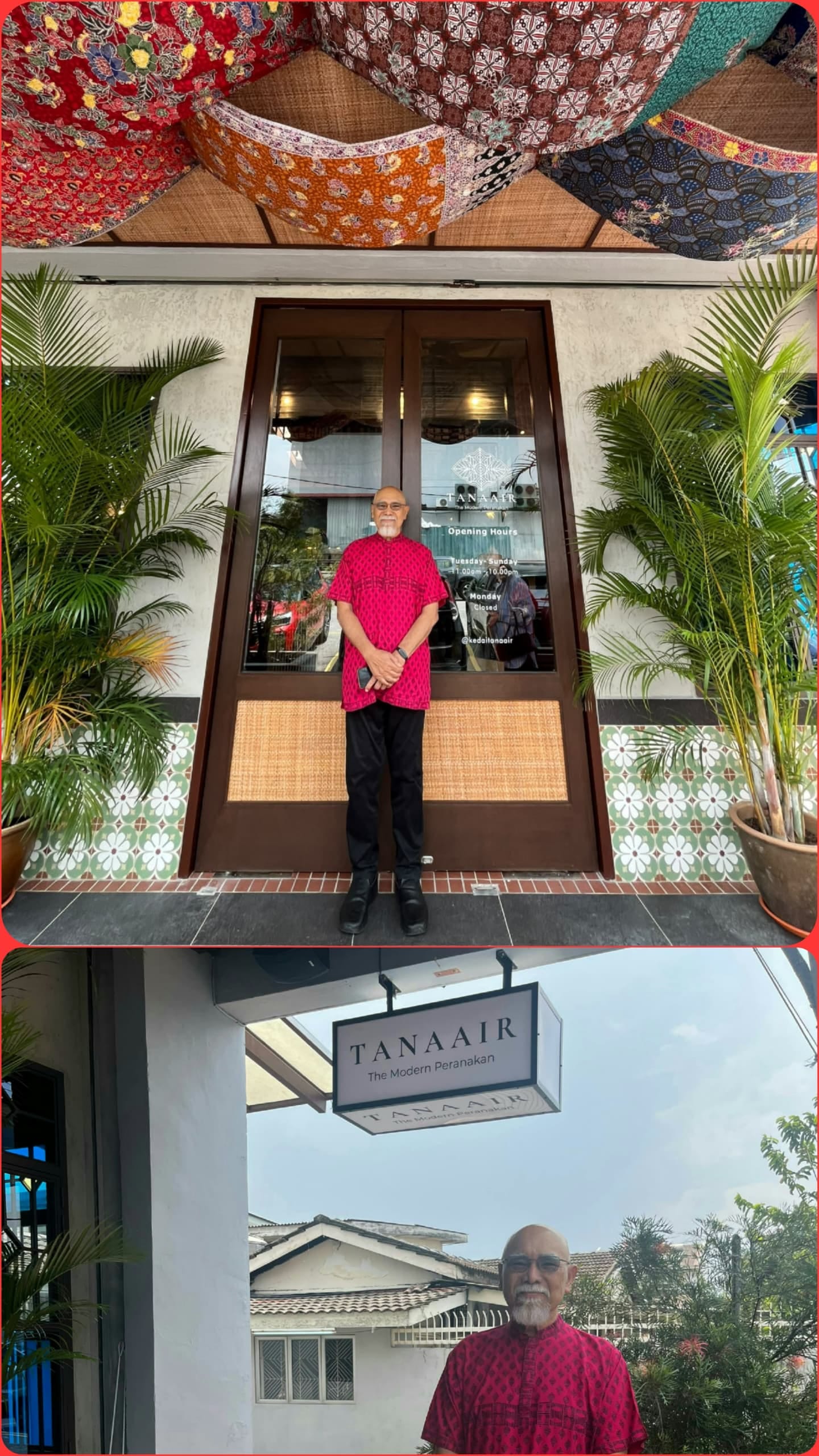
Last weekend, my eldest son, Farouq and his wife, Nadja with their son, Daniel brought my wife, Zarina & I including our children, Zana and Fariz to the newly reopened Tanaair restaurant in PJ for lunch. This food outlet is back to business after being closed for one year. We like Peranakan cuisine and therefore enjoyed the dishes cooking typically features a main flavoring paste, made from a blend of herbs and spices like galangal, shallots, garlic, chillies, lemongrass, belacan shrimp paste, tamarind turmeric & kaffir lime. Zarina, Nadja & Zana loved Peranakan desserts of sweet pastries “sagu” made from glutinous rice, tapioca flavor, pandan, palm sugar and coconut cream. Nostalgic! It reminded me of the favorite Nyonya cuisine during my one year stay whilst working in Melaka.
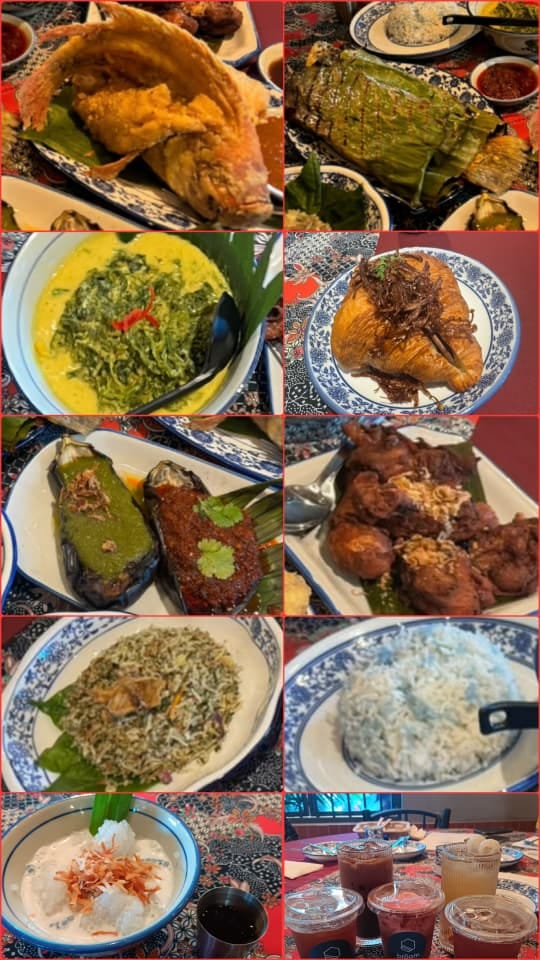
I recall Melaka & Singapore Nyonya cuisine tends to be richer and creamier, featuring heavier Indonesian & Javanese influences with more extensive use of coconut milk and buah keluak. Whereas, I found that Penang Nyonya cuisine features sharper, tangier flavors with stronger Thai, Burmese and Sumatran influences, utilizing more fresh herbs and tamarind with less used of coconut milk.
Zulkifly Baharom (hajizul50@gmail.com) is a content creator under the Newswav Creator programme, where you get to express yourself, be a citizen journalist, and at the same time monetize your content & reach millions of users on Newswav. Log in to creator.newswav.com and become a Newswav Creator now!
The User Content (as defined on Newswav Terms of Use) above including the views expressed and media (pictures, videos, citations etc) were submitted & posted by the author. Newswav is solely an aggregation platform that hosts the User Content. If you have any questions about the content, copyright or other issues of the work, please contact creator@newswav.com.