
Table of Contents
Malaysian action films often struggle with a familiar problem because while many know how to create visually intense fight sequences, fewer manage to build emotional weight beneath the punches, blood and slow-motion violence in ways that feel genuinely convincing.
Fortunately, Tarung: Unforgiven avoids becoming just another stylish but emotionally hollow action spectacle.
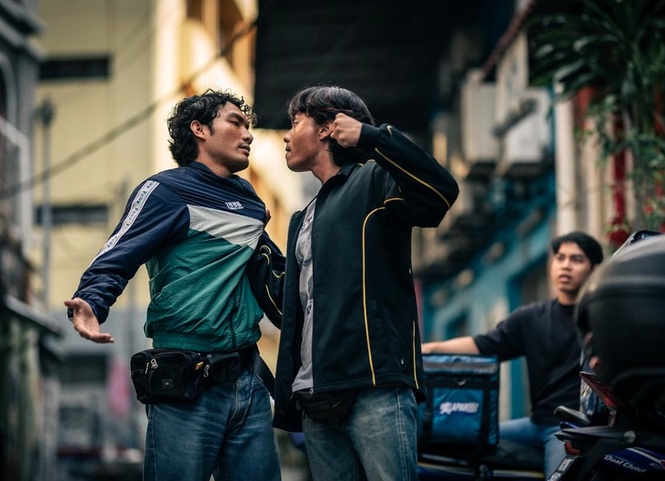
Directed by Razaisyam Rashid, the film throws audiences into the violent underworld of Marga, an elite organisation built around hierarchy, loyalty and underground combat, with the story centring on Hatta, played by Mierul Aiman, a former silat champion haunted by tragedy after a devastating incident permanently derails his life.
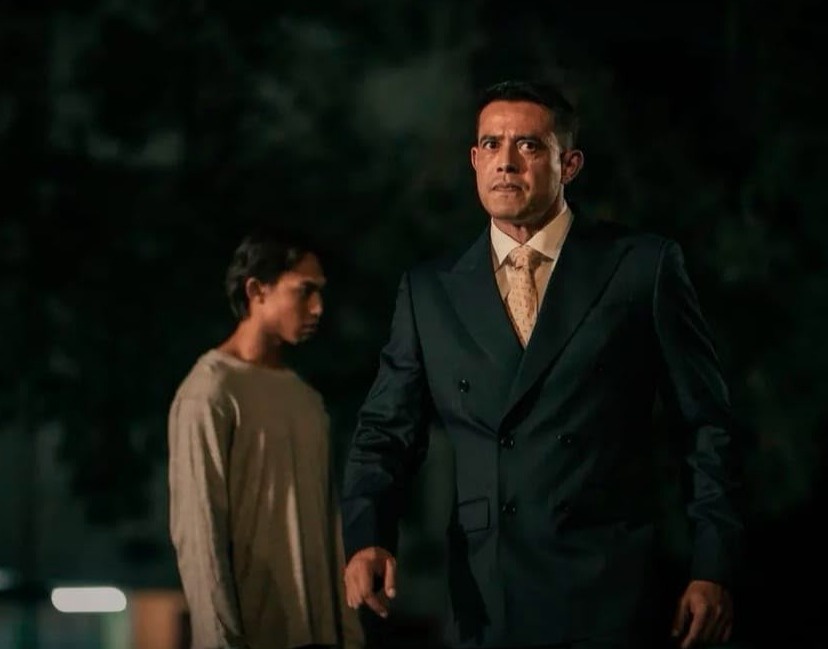
Desperate to save his sister and consumed by financial and emotional pressure, Hatta is eventually pulled back into the brutal fighting world by Paduka Badrul, portrayed by Zul Ariffin, leading him towards an inevitable collision with Isa, played by Aedy Ashraf, a former friend now driven by resentment, vengeance and unresolved bitterness.
At its core, Tarung: Unforgiven is less interested in violence as entertainment alone and more concerned with exploring guilt, masculinity, trauma and survival through the framework of an underground fighting thriller.
For the most part, the film succeeds remarkably well in balancing both emotional intensity and physical brutality without allowing either element to overshadow the other.
Brutal, grounded and visually confident
From its opening scenes, Tarung immediately establishes a harsher and grittier visual identity than many recent local action films, embracing grounded physicality rather than relying heavily on glossy cinematography or exaggerated superhero-style combat.
The fight choreography feels painful, desperate and exhausting in ways that make every punch carry emotional weight instead of existing purely for spectacle. Rather than presenting its action as something sleek or glamorous, the film allows violence to feel ugly, messy and emotionally draining, which ultimately strengthens the atmosphere considerably.
The silat-inspired combat sequences become one of the film’s strongest elements because the choreography prioritises impact and tension over flashy presentation.
Unlike action films that often rely on rapid editing to disguise weak choreography, Tarung allows many scenes to breathe through longer takes and tighter framing, giving audiences enough space to feel the momentum, exhaustion and physical strain of each encounter.
The sound design also deserves significant praise because it contributes heavily to the film’s realism and emotional discomfort. Bones crack loudly, breathing becomes increasingly heavy and every physical impact lands with a rawness that feels intentionally unpleasant rather than polished for entertainment value.
This ugliness suits the film’s emotional themes particularly well because the violence consistently feels tied to emotional damage and unresolved internal conflict rather than existing simply to entertain audiences between dramatic scenes.
Visually, the world of Marga feels surprisingly immersive throughout the film, with underground fight arenas, dimly lit interiors and rain-soaked urban environments creating an atmosphere that occasionally borders on neo-noir territory.
While traces of Indonesian and Korean action cinema are clearly visible in the film’s aesthetic influences, Tarung still maintains enough local identity to avoid feeling like imitation, particularly through its emotional dynamics, silat influences and social atmosphere.
More than just fighting
What ultimately elevates Tarung: Unforgiven above many standard action thrillers is the film’s emotional ambition because it consistently frames violence as a reflection of emotional wounds left unresolved rather than treating action as meaningless spectacle.
Hatta is not introduced as an invincible hero or charismatic action lead because the film instead presents him as emotionally fractured, burdened by regret and visibly exhausted by life long before the physical fighting even begins.
Mierul Aiman delivers one of his strongest performances to date through a portrayal that balances vulnerability with restrained aggression in ways that keep the character believable even during the film’s more dramatic moments.
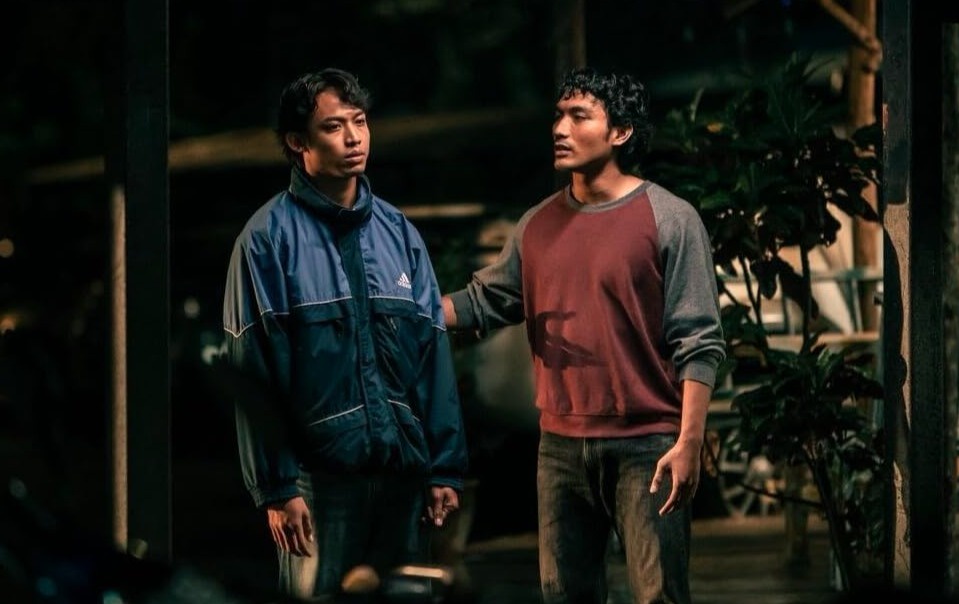
Similarly, Aedy Ashraf’s Isa avoids becoming a one-dimensional antagonist because the film takes time to explore the emotional history and resentment simmering beneath his anger.
The tension between Hatta and Isa works particularly well because Tarung understands that betrayal between former friends often carries far greater emotional pain than hatred between complete strangers. Their shared history quietly lingers underneath every confrontation, giving their eventual clashes emotional tension that extends far beyond choreography alone.
Even the supporting cast, including Bront Palarae and Sharifah Sakinah, help ground the film emotionally rather than simply functioning as narrative decoration or exposition devices.
At several points throughout the film, Tarung almost feels less like a conventional action movie and more like a character drama interrupted by moments of violence, which ultimately becomes one of its greatest strengths.
Where the film stumbles
That said, the film is not without flaws because several aspects of the screenplay occasionally rely too heavily on familiar genre conventions audiences have seen before.
The underground fighting organisation, the fallen fighter seeking redemption arc and the revenge-driven rivalry are all concepts deeply rooted within action cinema, meaning the film’s broader narrative structure rarely feels entirely unpredictable.
Certain emotional scenes also lean slightly too heavily into dramatic masculinity, particularly during moments where characters deliver extended monologues about honour, loyalty and power with a seriousness that occasionally borders on theatrical excess.
A greater sense of subtlety during some of these scenes could have allowed the emotional weight to land more naturally instead of feeling slightly overstated.
The pacing in the middle section also briefly loses momentum because several quieter scenes mainly reinforce emotional information audiences already understand by that stage of the story. Tightening some of these sequences could have strengthened the film’s overall rhythm considerably.
Still, these weaknesses never completely derail the experience because the emotional sincerity behind the film remains intact throughout.
Turning point for Malaysian action cinema?
What makes Tarung: Unforgiven particularly exciting is what it potentially represents for Malaysian action filmmaking moving forward because local action cinema has often struggled to fully commit to grounded, emotionally mature storytelling.
Many films within the genre either lean too heavily into comedy, become visually inconsistent or fail to develop meaningful emotional depth beneath their action sequences.
Tarung, however, feels noticeably more confident in understanding its own tone and emotional identity.
The film trusts silence, allows characters to sit with emotional pain and avoids constantly rushing towards spectacle for the sake of audience stimulation. Most importantly, it treats action not as random entertainment, but as an extension of character psychology and emotional conflict.
The film also demonstrates how local action cinema can compete visually without requiring enormous blockbuster budgets because strong choreography, atmospheric cinematography and emotionally motivated conflict often create far greater intensity than scale alone.
While the film clearly draws inspiration from regional action cinema, particularly Indonesian and South Korean thrillers, it still feels rooted within a distinctly Malaysian emotional landscape shaped by honour, pride, loyalty and complicated family expectations.
Verdict
Tarung: Unforgiven may not completely reinvent the underground fighting genre, but it delivers something far more important in the form of emotional conviction.
Beneath its bruises, blood and bone-crunching combat lies a surprisingly reflective story about grief, regret and the destructive nature of unresolved anger, allowing the film to feel emotionally engaging even during its most brutal moments.
The film remains stylish without becoming hollow, emotional without slipping into melodrama and violent without glorifying brutality purely for entertainment value.
Most importantly, Tarung signals growing ambition within Malaysian action filmmaking, particularly the kind willing to take itself seriously both emotionally and visually instead of relying purely on spectacle alone.
For audiences craving raw action, the film delivers intense and satisfying fight sequences filled with grounded choreography and physical impact.
However, for viewers looking beyond the punches, Tarung: Unforgiven also offers something far more layered through its portrayal of damaged people attempting to survive the consequences of their own choices in a world where forgiveness rarely comes easily.
Director: Razaisyam Rashid
Cast: Mierul Aiman, Zul Ariffin, Aedy Ashraf, Bront Palarae, Sharifah Sakinah
E-value: 8/10
Plot: 7.5/10
Acting: 8/10
READ MORE:
(Review) Suriya goes full God Mode in Karuppu