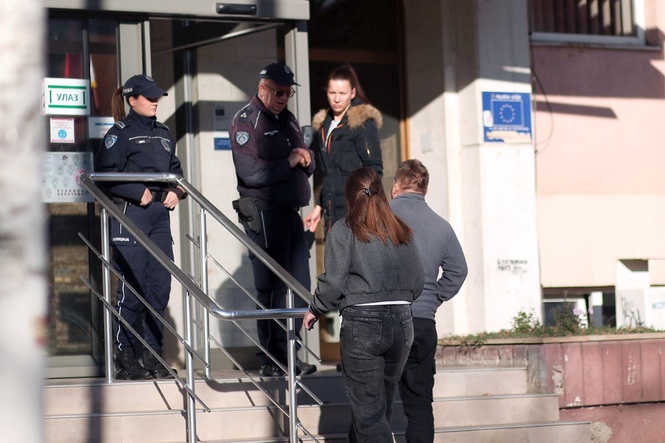
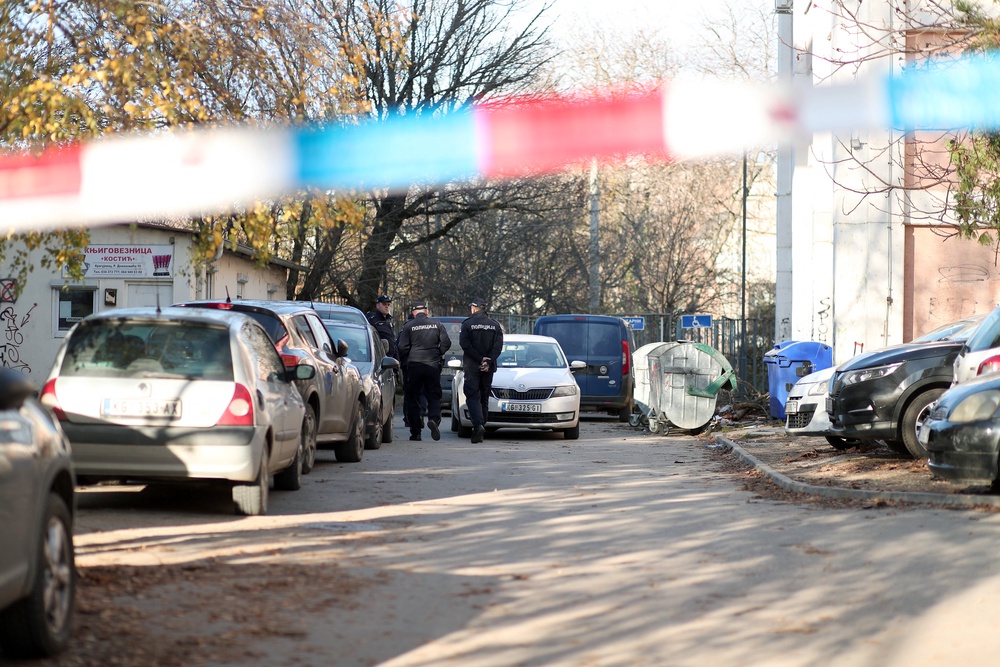
A 17-year-old has been arrested in central Serbia on Tuesday after he fired a small-caliber rifle in a secondary school hallway.
The incident is reported to have occurred around 8am local time (7am GMT) at the First Technical School in the town of Kragujevac, located in the Šumadija District some 86 miles from Belgrade.
Authorities said two people have been wounded and transferred to a local hospital where doctors said their injuries were not life-threatening.
According to police, the teenager fired at an office near the entrance, shattering the glass and injuring two women inside. A 50-year-old woman suffered a gunshot wound to the leg, while the other was injured by flying glass.
Police later arrested the teenager’s father on suspicion of illegally possessing a weapon linked to the incident.
Police have not announced the identity of the teenage shooter, the identity of the victims, or any other information.
However, principal Nemanja Joksimović told local media that the alleged shooter was a student at the school.
“This happened during the first class, so other students were inside the classrooms, which is good under the circumstances,” Mr Joksimović added.
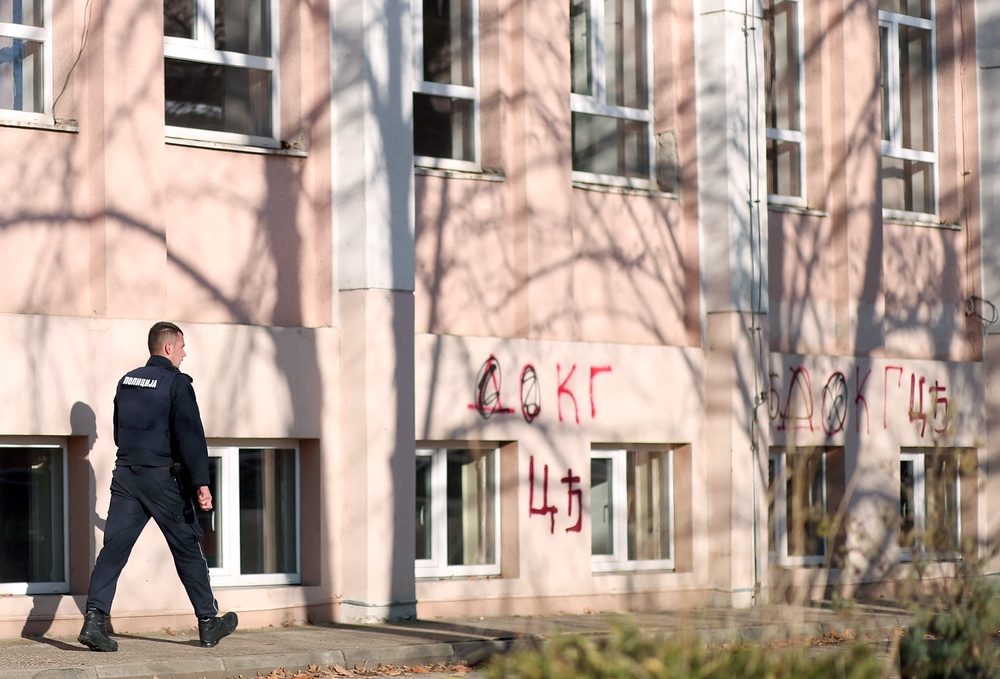
School shootings rarely happen in Serbia, despite the country having one of the highest gun ownership rates in the world.
The first ever incident occurred in 2023 when a 13-year-old boy killed nine children and a school guard in an elementary school in Belgrade and injured six people.
In 2018, the Switzerland-based Small Arms Survey ranked Serbia third in the world for the number of weapons in private hands, with 39 guns per 100 people.
But the mass school shooting triggered the government to launch an amnesty period, allowing people to give up unregistered weapons without being questioned by police.
The response was huge, with thousands of revolvers, AK-47s, machine guns and pistols being surrendered.
Under new legislation, people in Serbia who haven’t given up their unregistered weapons now face prison sentences of up to 15 years. Gun owners are also subject to strict background checks, psychological evaluations and drug tests.
The new provisions also criminalise the manufacture of firearms using 3D-printing technology in the country, as well as the possession of digital blueprints intended for the 3D printing of firearms.
Most of the weapons in Serbia are leftovers from the subsequent wars following the fall of Yugoslavia, which started in 1991 when Slovenia and Croatia both declared independence.
Read MorePolice launch investigation after man dies in fall from hospital’s 11th floor
Missing woman ‘may have come to harm’, police say
Prince William's country residence in eastern England broken into, British media report