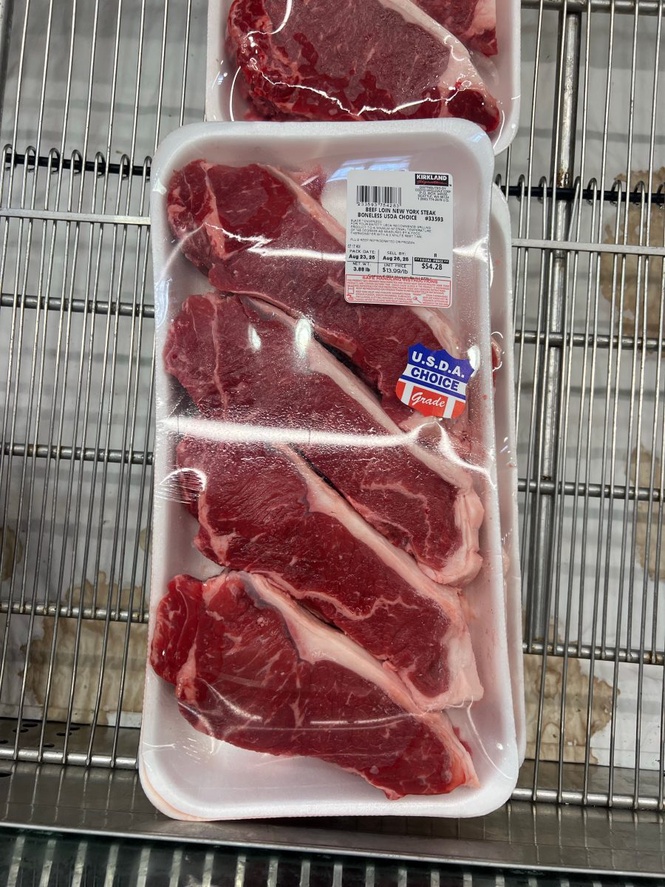
A package of chicken, ground beef, or pork can look perfectly acceptable from the front of the grocery store display. But before putting it in your cart, take a closer look. Damaged packaging, unusual discoloration, excessive liquid, and signs of improper refrigeration can all raise questions about the quality or safety of the meat.
The challenge is that not every change in appearance means meat has spoiled. Some color differences are normal, and a little liquid inside the package does not automatically indicate a problem. Knowing which warning signs matter can help you make smarter choices at the meat counter and avoid bringing home a package that should have stayed on the shelf.
The Packaging Is Leaking or Damaged
One of the clearest reasons to avoid a meat package is visible leakage. Raw meat juices can contain harmful bacteria, and a leaking package can contaminate other groceries, refrigerator shelves, or surfaces. Even if the meat itself looks normal, a damaged seal or hole in the packaging means its protection may have been compromised. Check the bottom and corners of trays, where small leaks can be easier to miss.
Also look for loose wrapping, broken seals, punctures, or packaging that appears to have been opened and resealed. Meat packaging is designed to protect the product from contamination and help maintain quality during storage. If the package is damaged, choose another one rather than assuming it is safe because the meat looks fresh. If you discover a leak after bringing groceries home, keep the package separate from ready-to-eat foods and clean any surfaces it touched.
The Meat Has an Unusual or Unexpected Color
Color is one of the first things shoppers notice, but it can be misleading. Fresh beef may appear bright red on the surface because of exposure to oxygen, while the interior of tightly packed ground beef can look darker or purplish. Pork can range from pale pink to a deeper pink, and fresh chicken may naturally have a light pink or creamy appearance. These differences do not automatically mean the meat is spoiled.
More concerning signs include widespread gray or green discoloration, especially when accompanied by a bad odor, slimy texture, or other signs of deterioration. Color changes can happen for reasons unrelated to spoilage, so do not rely on appearance alone. If the meat looks unusual for that product and you notice other warning signs, leave it behind. When in doubt, choose a package with a normal appearance and intact packaging.
There Is an Excessive Amount of Liquid in the Package
A small amount of liquid in a meat package is common. Meat naturally releases moisture during storage, and products such as chicken breasts can have some liquid collected in the tray. However, a package with an unusually large amount of fluid deserves a closer look, particularly if the meat appears to be sitting in a pool of liquid.
Excessive liquid can affect texture and may indicate that the product has been handled or stored in ways that affected its quality. It does not prove the meat is unsafe, but it is worth considering alongside the sell-by or use-by date, packaging condition, and refrigeration. Avoid packages that are leaking or have liquid trapped around damaged seals. If several similar packages are available, choose one with intact packaging and less accumulated fluid.
The Meat Looks Slimy, Sticky, or Has an Unusual Texture
Fresh raw meat may feel moist, but it should not have a noticeably slimy or sticky surface. A slippery coating that seems unusual for the product can be a warning sign of spoilage, particularly when combined with discoloration or an unpleasant smell. Since shoppers cannot always inspect meat through sealed packaging, look for visible signs of unusual residue or deterioration.
Do not open a package in the store or touch raw meat to test its texture. Instead, use the visible condition of the product and its packaging to make your decision. If you bring meat home and discover an unusual slimy texture when preparing it, do not rinse it and assume that will make it safe. Washing raw meat can spread bacteria around the kitchen, and cooking is not a way to rescue meat that has clearly spoiled.
The Package Has an Unpleasant or Strong Odor
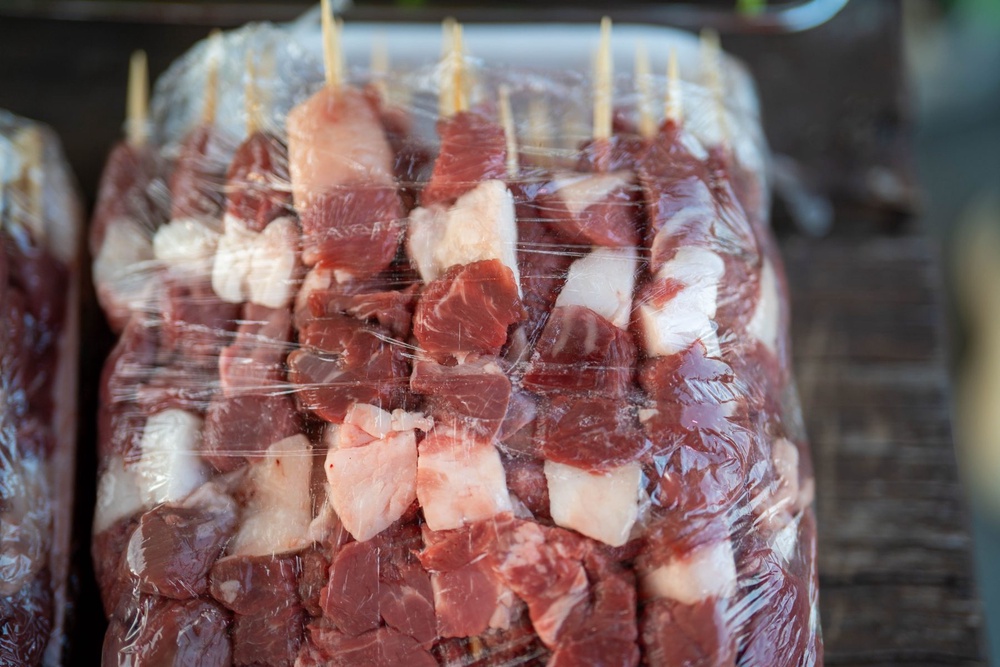
A strong sour, rotten, or otherwise unpleasant smell can indicate that meat has spoiled. This is especially concerning when the odor is paired with a slimy texture, unusual discoloration, or a swollen package. Fresh meat should not have a persistent foul smell, although some vacuum-sealed products may have a temporary odor when first opened that dissipates after a short period.
Never taste meat to determine whether it is safe. If you open a package at home and notice a persistent unpleasant odor, do not cook or eat it. Also remember that harmful bacteria do not always produce a noticeable smell or visible change. Meat can look and smell normal while still being unsafe if it was stored improperly, so appearance and odor should never replace proper refrigeration and safe handling.
The Meat Is Past Its Date, or the Label Is Difficult to Read
Date labels can help shoppers make decisions, but they do not all mean the same thing. A sell-by date generally helps retailers manage inventory, while a use-by date may indicate when the manufacturer recommends using the product for best quality. Except for certain infant formula labeling requirements, federal food date labels are generally not a universal safety deadline. Still, shoppers should pay attention to dates, especially with highly perishable products.
Avoid packages with missing, smudged, or unreadable labels that make it difficult to identify the product or determine its handling instructions. Check the date and make sure you have enough time to prepare or freeze the meat safely after purchase. Do not assume a package is safe simply because the printed date has not passed. Improper storage can make meat unsafe before that date arrives.
The Meat Display Doesn’t Feel Cold Enough
Even a well-packaged product can become unsafe if it has not been kept at the proper temperature. Refrigerated meat should be held at 40 degrees Fahrenheit or below, while frozen products should remain frozen. If the display appears warm, the meat is sitting outside the refrigerated case, or packages are no longer properly chilled, consider choosing another product.
Pay attention to the condition of the display as well as the package itself. Meat should be kept in a properly refrigerated case, and frozen products should not be soft or partially thawed. If you suspect a display is not maintaining a safe temperature, notify store staff rather than trying to judge the meat by appearance. Once you purchase it, take meat home promptly and refrigerate or freeze it as soon as possible.
What to Check Before Putting Meat in Your Cart
A few seconds of inspection can help you avoid obvious quality problems, but no visual checklist can guarantee that meat is safe. Look for intact packaging, reasonable color, manageable liquid, readable dates, and a properly chilled display. If you notice multiple warning signs, choose another package instead of taking a chance.
Once meat is home, keep it refrigerated at 40 degrees Fahrenheit or below and store raw packages on the lowest shelf to prevent leaks from reaching other foods. Use fresh poultry and ground meats within one to two days, and whole cuts of beef, pork, and lamb within three to five days, or freeze them if you need more time. Safe handling matters just as much as choosing a good package, so do not let an attractive appearance convince you to ignore temperature or storage concerns.
What To Read Next
The Freezer Mistake That Can Ruin Expensive Cuts of Meat
Why Does Deli Meat Get Slimy Even Before the Expiration Date?