
In the humid interior of Sarawak, where the jagged geography of the rainforest has long dictated the limits of economic connectivity, a quiet revolution is underway. For decades, the rhythm of life in Sarawak’s rural outposts was punctuated by the chug of diesel generators expensive, carbon-intensive, and prone to the whims of global oil markets. Today, that rhythm is changing.
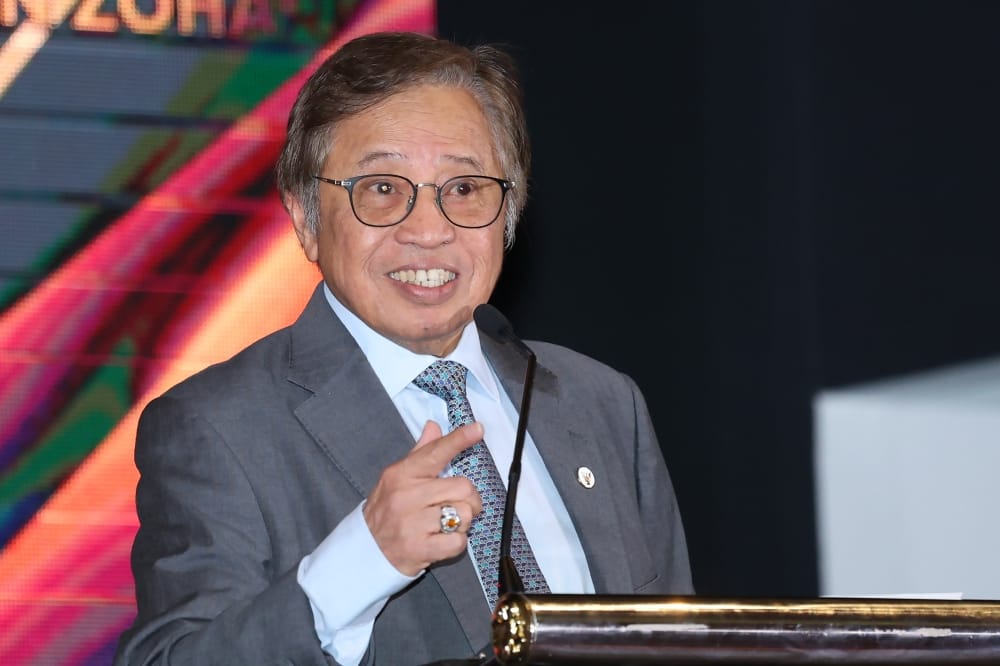
Under the aggressive stewardship of Premier Datuk Patinggi Tan Sri Abang Johari Tun Openg, Sarawak is not merely pivoting; it is attempting to perform a structural bypass of the fossil fuel era. By accelerating the Post COVID-19 Development Strategy 2030 (PCDS 2030), Abang Jo is pushing the state toward a future powered by hydropower, solar, and the ambitious if occasionally controversial promise of green hydrogen. But as the state positions itself to become an energy exporter to its neighbors, the question remains: is this a masterclass in energy sovereignty, or is it a high-stakes gamble on a technology that is yet to find its market footing?
The End of the Diesel Dynasty
To understand the scale of Abang Jo’s ambition, one must look at the "diesel addiction" that plagued Sarawak for half a century. In a state where massive river systems and dense jungle made traditional grid expansion prohibitively expensive, diesel became the default for everything from electricity generation in remote longhouses to the ferry services that were the only link between disparate districts.
For the Sarawak state government, the math of diesel was always a losing game. As global fuel prices climbed, the fiscal burden of subsidizing this generation and the logistical nightmare of transporting fuel into the interior became a drain on the state’s coffers.
"We acted early," the Premier remarked recently, noting that the state began shifting its rural electrification strategy six years ago. Through the Sarawak Alternative Rural Electrification Scheme (SARES), thousands of households were moved from noisy, expensive diesel sets to solar-battery systems. This is not just environmentalism; it is cold, hard fiscal strategy. By connecting the grid to Limbang and Lawas by the end of 2026, Sarawak is essentially closing the book on diesel-powered utility generation.
Furthermore, the state’s physical infrastructure is being retooled. The iconic, diesel-guzzling ferry services that once dominated the coastal highways are being systematically replaced by toll-free bridges. This is a tangible reduction in daily fuel burn that directly insulates the state budget from the price volatility currently rocking the peninsula.
The Hydrogen Hub: Ambition vs. Reality
While the rural electrification success is a point of quiet pride, it is Sarawak’s pivot to green hydrogen that has captured international attention and, increasingly, scrutiny. Abang Jo’s vision, often described as an "energy sovereignty" play, aims to leverage Sarawak’s 10-gigawatt renewable energy potential to produce green hydrogen for export.
The government has courted heavyweights from Japan and Korea for flagship projects like H2biscus and H2ornbill. The narrative is compelling: use hydropower to split water molecules, produce clean hydrogen, and export it to a decarbonizing world.
Yet, the investigative lens reveals a more nuanced picture. In April 2026, reports surfaced indicating that these flagship hydrogen projects have been scaled down. The reason? A lack of firm offtake agreements. While the technology is sound and the state’s intent is clear, the global market for green hydrogen is still in its infancy. The "Energy Industries Council" has noted that while Sarawak is the most advanced region in Malaysia in this field, it is not immune to the cooling demand for high-cost green energy derivatives.
This scaling back is not necessarily a failure it is a lesson in market maturity. Abang Jo’s administration has consistently emphasized execution over theory, and the decision to adjust production targets suggests a pragmatic approach to project delivery. The Asia Pacific Green Hydrogen Conference (APGH) 2026 in June is expected to be a pivotal moment where the state tries to bridge this gap between potential and finalized investment.
The Politics of Autonomy
It is impossible to discuss Sarawak’s energy transition without discussing the politics of federal-state relations. By positioning itself as a leader in green energy, Sarawak is carving out a niche that makes it indispensable to Malaysia’s broader climate goals.
When the Premier speaks of supplying power to Sabah, Brunei, and beyond, he is doing more than trading electricity; he is asserting a level of economic autonomy. This energy-led diplomacy is a potent tool. If Sarawak can successfully maintain its own grid, fund its own infrastructure, and export surplus energy, it becomes less reliant on the fiscal vagaries of Putrajaya.
This is the "Sarawak Model": using energy as the ultimate hedge. While the peninsula deals with the messy, politically sensitive business of reforming fuel subsidies, Sarawak is quietly building an infrastructure that renders those subsidies less relevant to its day-to-day operations.
Assessing the Strategy: Is it Sustainable?
To evaluate the feasibility of this transition, we must look at the three pillars of the PCDS 2030:
- Hydropower as the Base: Sarawak’s reliance on hydro (Bakun, Murum, Baleh) provides a stable, low-cost baseline that fossil-fuel-dependent states cannot match. This gives Sarawak a competitive edge in attracting energy-intensive industries, including data centers and semiconductor manufacturing.
- Infrastructure as a Catalyst: By replacing ferries and diesel grids, the government is lowering the "cost of doing business" in rural areas. This is a form of social-economic engineering that is arguably more effective than direct cash transfers.
- Green Hydrogen as the Future-Proofing: While the current market for hydrogen is soft, Sarawak is positioning itself as an early adopter. In the energy industry, infrastructure lead times are measured in decades. By the time the global demand for green hydrogen matures, Sarawak expects its hubs to be operational and its workforce trained.
The Risks Ahead
Despite the optimism, the risks are substantial.
- Execution Risk: The transition requires massive capital expenditure. Balancing the budget while funding these long-term projects requires a level of fiscal discipline that is rarely seen in state-level governance.
- Technology Adoption: Hydrogen is not a commodity with the liquidity of crude oil. If the global market shifts toward other forms of energy storage or carbon capture, Sarawak’s infrastructure could become a stranded asset.
- Economic Diversification: Can Sarawak successfully move beyond "raw power" exports to become a true high-tech player? The Premier’s push into AI-powered chip design is an attempt to answer this, but the gap between producing electricity and producing chips is vast.
What Do You Think? I’d Love to Hear Your Opinion in the Comments Section.
Abang Jo has succeeded in changing the narrative. Sarawak is no longer just a source of raw materials (timber, oil, gas) for the national economy; it is attempting to dictate the terms of its own energy future. The transition away from diesel is the first step a foundational move that clears the path for a high-tech, green economy.
The hydrogen projects, scaled down or not, are the tip of the spear. Whether they become the engines of a new Sarawakian prosperity or an expensive lesson in market timing remains to be seen. But in a country often paralyzed by the inertia of centralized policy, Sarawak’s willingness to experiment to pivot, to build, and to bet on its own geography is perhaps the most significant economic story in Malaysia today.
The diesel generators are falling silent in the interiors of Sarawak. What replaces them and whether that vision can survive the harsh reality of global energy markets will define the legacy of Abang Johari’s premiership.
AM World (tameer.work88@gmail.com) is a content creator under the Newswav Creator programme, where you get to express yourself, be a citizen journalist, and at the same time monetize your content & reach millions of users on Newswav. Log in to creator.newswav.com and become a Newswav Creator now!
The User Content (as defined on Newswav Terms of Use) above including the views expressed and media (pictures, videos, citations etc) were submitted & posted by the author. Newswav is solely an aggregation platform that hosts the User Content. If you have any questions about the content, copyright or other issues of the work, please contact creator@newswav.com.